Rome CIAMPINO "G. B. Pastine" is located approximately 15 Km outside of Rome. There are coach services available with tickets costing €4 single. Journey time is approximately 40 minutes. There are also taxis from outside international arrivals costing on average €35 taking 40 minutes to get to the city.
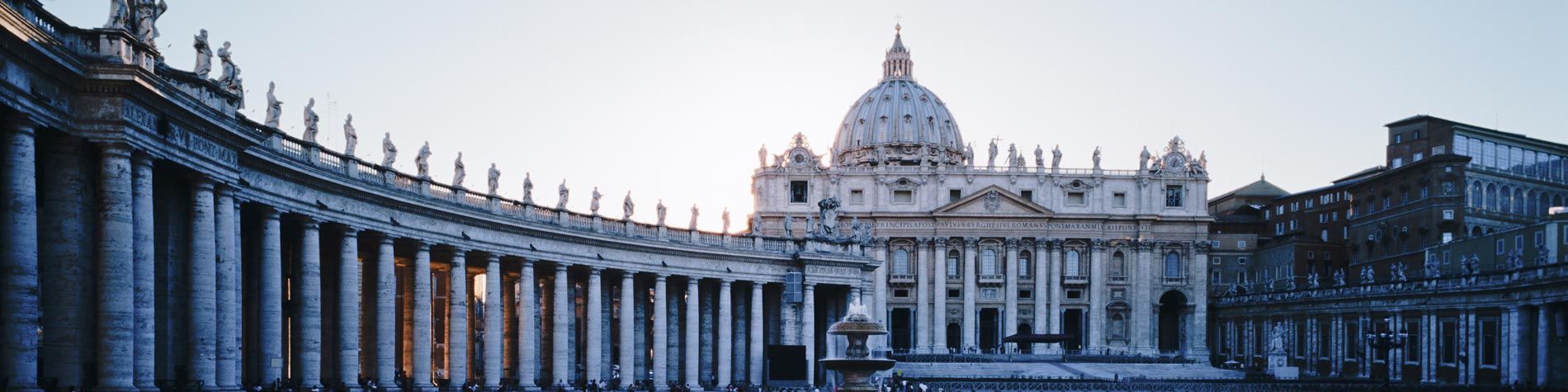
Situated inside the Vatican City in Rome, the
marble-floored St Peter's Basilica is amongst the largest
churches (with the largest brick dome) ever constructed. It
features the works of some of the greatest Renaissance
artists, including Bernini and Giotto.
Restaurants
Understated decor in muted colours allows the
inspired food to shine at Il Pagliaccio. This gourmet
restaurant, near Piazza Navona in central Rome, brings
Eastern influences to Italian food - and creates exciting
flavours in the process. Try dishes such as sirloin steak
with spicy broth, or venison with ceps, chestnuts and
quince.
Shopping
This designer emporium, near the Spanish Steps,
contains everything from fashion to flowers, all lavishly
displayed. The TAD Concept Store has decor and lighting
worthy of a nightclub. Fashion-savvy shoppers browse and pose
against the glamorous backdrop.
Nightlife
Freni e Frizioni means 'brakes and clutches'. This
former garage on the riverside in Trastevere has become a
vibrant bar. The eclectic interior, with chandeliers and
contemporary prints, attracts a young crowd, who tuck into
mojitos and abundant aperitivo snacks.
Activities
Rome's Villa d'Este is one of the most beautiful
gardens in Italy. Its spectacular hilltop position and
extravagant Pathway of 100 Fountains make it a masterpiece of
the Italian Renaissance Mannerist style and a source of
inspiration to many artists.
Rome wasn't built in a day - so imagine how much there is to see!! Feast your eyes on amazing Renaissance frescoes in the Sistine Chapel and then head to St Peter's, housing Michelangelo's Pieta. A hot tip - entrance to Vatican Museums is free on the last Sunday of each month!
The Colosseum
Built roughly 1920 years ago, the Colosseum is today still considered an architectural and engineering wonder - it remains standing proof of both the grandeur and the cruelty of the Roman world. This amphitheatre accommodated 50,000 spectators around a central elliptical arena and below the wooden arena floor lay a complex set of rooms and passageways for wild beasts and other provisions for staging the spectacles. The most popular games were chariot races, a staged hunt of wild animals, the execution of condemned criminals and the reproduction of mythological tales.
Trevi Fountain
This is without doubt the most famous fountain in Rome. The imaginative concept, theatrical composition and imposing beauty of the marble figures make it a true masterpiece, both of sculpture and of architecture. Pietro da Cortona and Bernini both had a part to play in this work of art. The fountain is highly symbolic with intellectual connotations and a tall Arch of Triumph (the palace of Neptune) dominates the scene from on high.
Roman Forum
The Roman Forum was not simply the core of an ancient city; for many it was the centre of the universe. From the birth of the empire under Augustus in 31 B.C., and for nearly five hundred years thereafter, Rome ruled most of what we call the civilized world. From Scotland to the Sahara, the Roman Empire was in control. Moreover, Rome was the handmaiden of our alphabet, a bellwether of urban organization and its legal institutions, and the creator of startling new horizons in architecture. The forum was the cornerstone for all empire decisions.
The Catacombs
Go deep underground into the catacombs to discover the burial place of Christians and pagans alike. The catacombs are subterranean systems of rock-cut hallways and niches, for those who could not afford a flashy tomb above the ground. Although few bodies remain in the catacombs, the sense of death is ever-present among the hollow maze-like tombs. Frescos can still be seen depicting religious scenes and statues mark the spot where some of our present-day saints were buried. Scholars are divided as to whether the catacombs also served as secret meeting-places in the period when Christianity was outlawed.