Cheap flights to Split
Flights, routes and travel tips
-
Nov 2026 NO FARE
from ALL-- ---- --
-
Dec 2026 NO FARE
from ALL-- ---- --
-
Jan 2027 NO FARE
from ALL-- ---- --
-
Feb 2027 NO FARE
from ALL-- ---- --
-
Mar 2027 NO FARE
from ALL-- ---- --
-
Apr 2027 NO FARE
from ALL-- ---- --
-
May 2027 NO FARE
from ALL-- ---- --
-
Jun 2027 NO FARE
from ALL-- ---- --
-
Jul 2027 NO FARE
from ALL-- ---- --
-
Aug 2027 NO FARE
from ALL-- ---- --
-
Sep 2027 NO FARE
from ALL-- ---- --
-
Oct 2027 NO FARE
from ALL-- ---- --
- What is the cheapest time of year to visit Split?
- Spring and autumn are generally the best-value periods to visit Split outside the busiest summer season, but the cheapest dates vary by accommodation and transport demand.
- What are the most popular places to visit in Split?
- Popular places include Diocletian's Palace and Marjan, along with Split's cathedral, historic squares, city districts and markets.
- How do tourists get around in Split?
- Tourists can use public buses, taxis, bicycles, cars, hop-on hop-off buses and boats. Walking is also practical for exploring the historic centre.
- What travel documents do I need to fly to Split?
- Travel-document requirements depend on your nationality, residency and document type and can change. Check the official entry requirements for Croatia and your personal circumstances before travelling. Check the latest official guidance before you travel.
- Do I need a car when visiting Split?
- A car is not necessarily required for a city visit: the Split tourist board lists public transport, taxis, bicycles, walking-focused attractions and hop-on hop-off buses. A car may be useful for travel beyond Split.
- How long does it take to get from the airport to the main tourist areas of Split?
- Split Airport is the airport-specific source identified for flights to Split, but a verified journey time to the main tourist areas, including Diocletian's Palace and Marjan, is not available from the sources consulted. Transfer times vary depending on destination, traffic and transport option; check the official airport or local transport information before travelling.
Travel Tips
-

When is the best time to visit Split?
Late spring (May to June) and early autumn (mid-September to early October) suit most visitors, with warm weather and fewer crowds than July and August. July and August are the busiest months. November to March is the quieter, lower-cost season, and most attractions stay open.
-
What is Split known for?
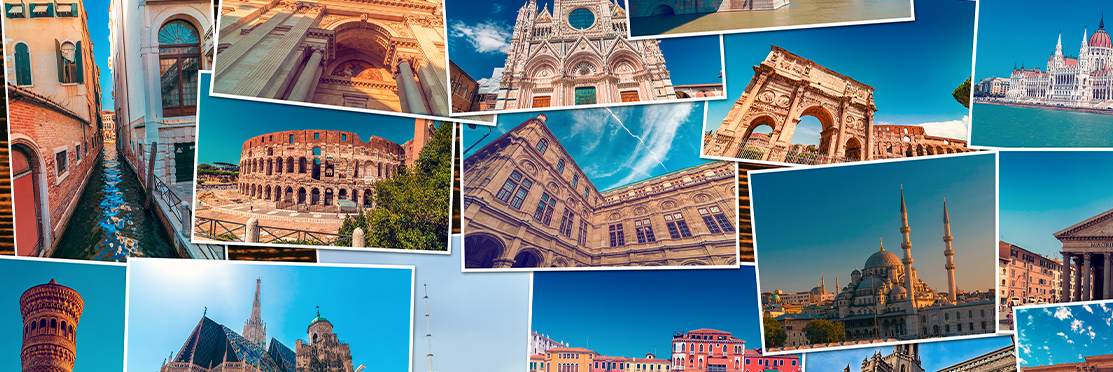
Split is known for Diocletian's Palace, a 4th-century Roman palace built around the city's historic centre. The Historical Complex of Split with the Palace of Diocletian was inscribed on the UNESCO World Heritage List in 1979, and the palace remains part of a living city.
-
What are the must-see places in Split?
Must-see places include Diocletian's Palace, including Peristil Square and the Golden Gate, Marjan Hill overlooking the city, and Klis Fortress on a ridge just outside Split.
-

How many days do you need in Split?
One day is enough to see the main attractions around Diocletian's Palace. Two days allow you to add Marjan Hill and Klis Fortress. Day trips to nearby places, such as Krka National Park, need extra time.
-
Is Split expensive to visit?
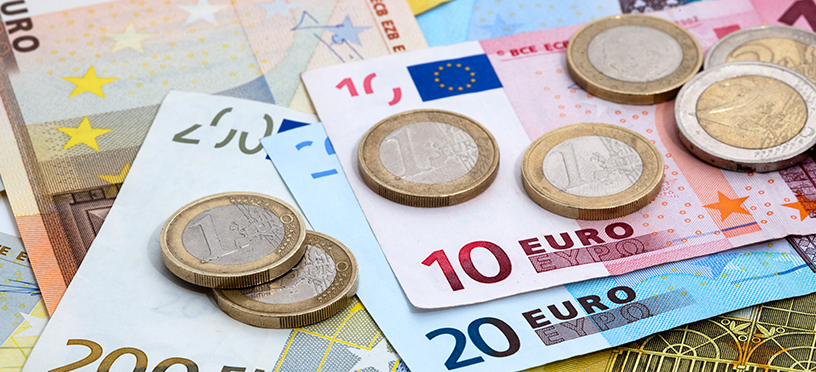
Croatia's overall price level is below the EU average, but Eurostat's 2024 figure for restaurants and hotels is close to the EU average (95.4 against 100). Accommodation and prices are usually higher in peak summer (July and August) than in shoulder or winter months.
-

What is the weather like in Split?
Split has a Mediterranean climate with hot, dry summers and mild winters. Average daily highs are about 11°C in January and about 31°C in July and August. Sea water is warmest in August, at about 24°C on average.
-

What are the top things to do in Split?
Top activities include walking through Diocletian's Palace, hiking or viewing the city from Marjan Hill, visiting Klis Fortress, and taking a day trip to Krka National Park to see the Skradinski Buk waterfalls.
-
What food is the Split famous for?
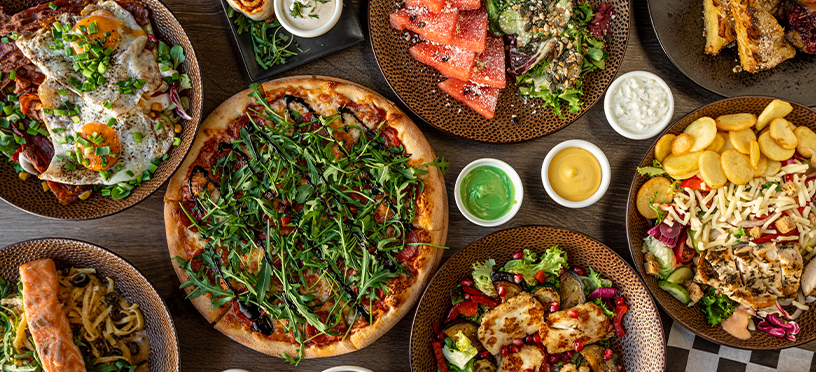
Split is known for Dalmatian dishes such as pašticada, a slow-cooked beef stew, and crni rižot (black risotto) made with squid or cuttlefish ink. Local dishes also include river crab stew and savoury Viška cake. Fresh Adriatic seafood is central to the cuisine.
What you need to know when traveling with Ryanair
View all FAQsCan I bring cabin baggage on a Ryanair flight?
Yes, Ryanair allows one small personal bag included with every fare. Larger cabin bags or priority boarding options can be added for an extra fee.
How do I check in for my Ryanair flight?
You can check in online via the Ryanair app or website. Online check-in typically opens 24 hours before departure, or earlier if you’ve purchased a seat.
Can I change my Ryanair flight after booking?
Yes, Ryanair allows flight changes, but fees may apply depending on the fare type and timing of the change.
What happens if my Ryanair flight is delayed or cancelled?
If your flight is disrupted, Ryanair may offer options such as rebooking, refunds, or assistance, depending on the circumstances and applicable regulations.
Can I book airport transfers or car hire with Ryanair?
Yes, when booking with Ryanair, you can add extras such as car hire and airport transfers through partner services like Carhire, making it easier to travel from the aiport to the city or surrounding areas.
What is Priority Boarding and how does it work with Ryanair?
Ryanair Priority Boarding lets you board using the Priority queue and bring two cabin bags on board: one small personal bag and one 10kg cabin bag, subject to availability and fees.