Cheap flights to Hungary
Flights, routes and travel tips
-
Nov 2026 NO FARE
from BAM-- ---- --
-
Dec 2026 NO FARE
from BAM-- ---- --
-
Jan 2027 NO FARE
from BAM-- ---- --
-
Feb 2027 NO FARE
from BAM-- ---- --
-
Mar 2027 NO FARE
from BAM-- ---- --
-
Apr 2027 NO FARE
from BAM-- ---- --
-
May 2027 NO FARE
from BAM-- ---- --
-
Jun 2027 NO FARE
from BAM-- ---- --
-
Jul 2027 NO FARE
from BAM-- ---- --
-
Aug 2027 NO FARE
from BAM-- ---- --
-
Sep 2027 NO FARE
from BAM-- ---- --
-
Oct 2027 NO FARE
from BAM-- ---- --
- What is the cheapest time of year to visit Hungary?
- The cheapest time to visit Hungary is generally outside the peak tourist season, when accommodation and activity prices are typically lower. Exact prices vary by destination, dates and demand, so compare current fares and accommodation rates before booking.
- What are the most popular places to visit in Hungary?
- Popular places to visit in Hungary include Budapest, Lake Balaton, the Tokaj and Nyíregyháza region, Pécs, Eger, and the Győr and Pannonhalma region. These destinations are highlighted in the official Hungary tourism guide for their cultural attractions, historic sites, wine regions, lakes and wellness experiences.
- How do tourists get around in Hungary?
- Tourists get around Hungary using intercity trains, regional buses, local public transport, taxis, bicycles and rental cars. Budapest has an extensive network of metro, tram, bus and trolleybus services, while trains and buses connect Budapest with destinations around the country.
- What travel documents do I need to fly to Hungary?
- You need travel documents that are valid for your nationality, residency status and document type. Entry, passport, identity-document and visa requirements can change, so check the current requirements with the official Hungarian authorities or your government travel advice before departure. Check the latest official guidance before you travel.
- Do I need a car when visiting Hungary?
- You do not necessarily need a car when visiting Hungary. Public transport, trains and regional buses can serve Budapest and many destinations, while a rental car can provide greater flexibility for rural areas, lakes, wine regions and places not convenient to reach by public transport.
- How long does it take to get from the airport to the main tourist areas of Hungary?
- For Budapest Ferenc Liszt International Airport (BUD), the official BKK Airport Express information states that the 100E bus takes about 40 minutes to reach Budapest city centre, one of Hungary's main tourist areas. Travel times to other tourist areas, including Lake Balaton, Eger, Pécs and the Tokaj region, vary depending on the destination, traffic and transport option; check the official airport, railway and local transport information for current journey times.
Travel Tips
-

When is the best time to visit Hungary?
The best time to visit Hungary is April to June and September to October, when the weather is mild and cities are comfortable for sightseeing. Summer is lively and warm, especially in Budapest and around Lake Balaton. Winter is colder but popular for Christmas markets and thermal baths.
-
What is Hungary known for?
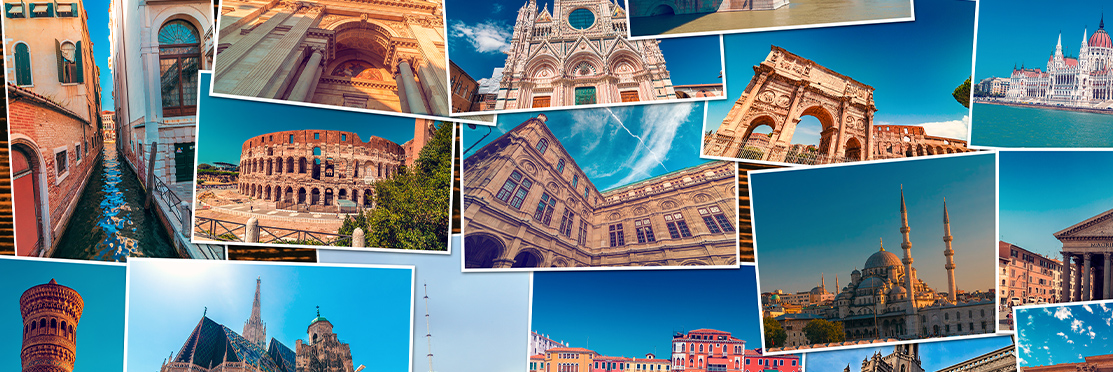
Hungary is known for its grand architecture, thermal baths, Danube setting, and rich culinary traditions. It is especially recognised for Budapest, parliament buildings, ruin bars, and paprika-based dishes. The country is also known for music, spa culture, and strong Central European identity.
-
What are the must-see places in Hungary?
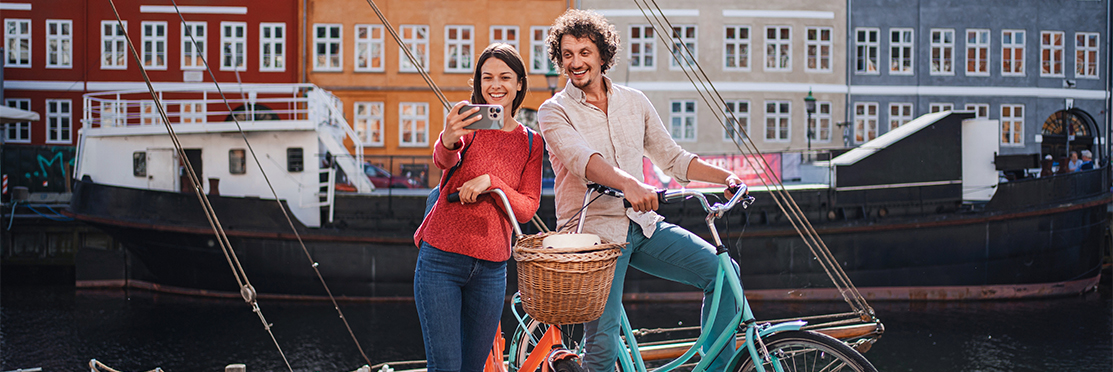
Must-see places in Hungary include Budapest, Lake Balaton, Eger, Pécs, and Szentendre. Travellers also visit Hortobágy National Park and wine regions such as Tokaj. Budapest is the clear highlight for first-time visitors.
-
How many days do you need in Hungary?
Most travellers need 3 to 5 days in Hungary for Budapest and one additional destination. A trip of 6 to 8 days allows time for Lake Balaton, wine regions, and smaller historic towns. Hungary is manageable on a short itinerary, especially if centred on Budapest.
-
Is Hungary expensive to visit?
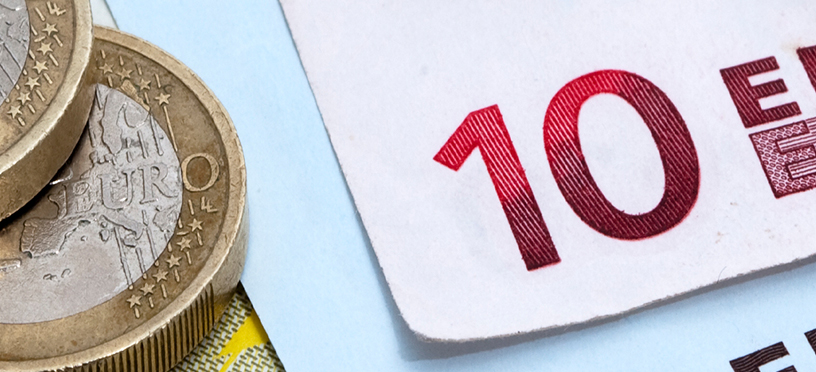
Hungary is usually a good-value Central European destination. Budget travellers may spend around €45 to €70 per day, while mid-range travellers often spend €90 to €160 per day. Budapest is the most expensive part of the country but is still often cheaper than many Western European capitals.
-

What is the weather like in Hungary?
Hungary has a continental climate, with hot summers and cold winters. Spring and autumn are generally mild and comfortable for city breaks and countryside travel. Summer temperatures can be high in Budapest and lowland regions.
-

What are the top things to do in Hungary?
Top things to do in Hungary include exploring Budapest’s parliament, castle district, and ruin bars, and relaxing in thermal baths such as Széchenyi. Many travellers also cruise the Danube, visit wine regions, and enjoy lakeside towns around Balaton.
-

What food is the Hungary famous for?
Hungary is famous for goulash, chicken paprikash, lángos, chimney cake, and stuffed cabbage. Paprika, sour cream, pastries, and hearty meat dishes are central to Hungarian cuisine. The country is also well known for desserts and sweet café culture.
What you need to know when traveling with Ryanair
View all FAQsCan I bring cabin baggage on a Ryanair flight?
Yes, Ryanair allows one small personal bag included with every fare. Larger cabin bags or priority boarding options can be added for an extra fee.
How do I check in for my Ryanair flight?
You can check in online via the Ryanair app or website. Online check-in typically opens 24 hours before departure, or earlier if you’ve purchased a seat.
Can I change my Ryanair flight after booking?
Yes, Ryanair allows flight changes, but fees may apply depending on the fare type and timing of the change.
What happens if my Ryanair flight is delayed or cancelled?
If your flight is disrupted, Ryanair may offer options such as rebooking, refunds, or assistance, depending on the circumstances and applicable regulations.
Can I book airport transfers or car hire with Ryanair?
Yes, when booking with Ryanair, you can add extras such as car hire and airport transfers through partner services like Carhire, making it easier to travel from the aiport to the city or surrounding areas.
What is Priority Boarding and how does it work with Ryanair?
Ryanair Priority Boarding lets you board using the Priority queue and bring two cabin bags on board: one small personal bag and one 10kg cabin bag, subject to availability and fees.