Cheap flights to Algarve
Flights, routes and travel tips
-
Nov 2026 NO FARE
from €-- ---- --
-
Dec 2026 NO FARE
from €-- ---- --
-
Jan 2027 NO FARE
from €-- ---- --
-
Feb 2027 NO FARE
from €-- ---- --
-
Mar 2027 NO FARE
from €-- ---- --
-
Apr 2027 NO FARE
from €-- ---- --
-
May 2027 NO FARE
from €-- ---- --
-
Jun 2027 NO FARE
from €-- ---- --
-
Jul 2027 NO FARE
from €-- ---- --
-
Aug 2027 NO FARE
from €-- ---- --
-
Sep 2027 NO FARE
from €-- ---- --
-
Oct 2027 NO FARE
from €-- ---- --
- What is the cheapest time of year to visit Algarve ?
- The cheapest period is generally November to March, excluding the Christmas and New Year holidays, when demand for hotels, flights and car hire is lowest. The shoulder months of April, May and October offer warm weather with less demand than summer. July, August and Easter are the busiest and most expensive periods.
- What are the most popular places to visit in Algarve ?
- The Algarve divides into three parts. In the central Algarve, popular sights include Benagil Cave and Algar Seco, Praia da Marinha, Praia da Falésia and the old town of Albufeira. In the west, visitors head to Ponta da Piedade and the old town of Lagos, and to Cape St Vincent and Sagres. Inland, Silves has a red sandstone Moorish castle, and the Serra de Monchique has Fóia, the highest point in the Algarve at 902 m. In the east, popular places include the old town of Faro, the Ria Formosa lagoon and Tavira, with its castle and old bridge.
- How do tourists get around in Algarve ?
- Many visitors rent a car, but the region can also be explored without one. The CP regional train runs along the coast from Lagos to Vila Real de Santo António, calling at Portimão, Silves-Tunes, Albufeira-Ferreiras, Loulé, Faro, Olhão and Tavira. Since 19 July 2026 the line runs electric trains without a change in Faro. Some stations are outside town centres, for example Albufeira-Ferreiras, about 6 km from Albufeira. Vamus Algarve runs the regional bus network, including the Aerobus line 56 from Faro Airport. Taxis, ride-hailing apps, pre-booked transfers, ferries to island beaches near Faro, Olhão and Tavira, and boat tours also serve visitors. Train and bus frequencies are lower in winter and at weekends, so check timetables on cp.pt and the Vamus website before you travel.
- What travel documents do I need to fly to Algarve ?
- Portugal is part of the Schengen area. Official Portuguese government guidance states that travellers arriving from outside the Schengen area must present an identity document or passport. Requirements depend on your nationality, residency and the type of travel document you hold, and they can change. Check official travel-document requirements for your situation before you travel. Check the latest official guidance before you travel.
- Do I need a car when visiting Algarve ?
- A car is the easiest way to explore the whole region. Beaches, cliff coves, viewpoints, Sagres and inland villages such as Silves and Monchique are spread out, and public transport does not reach many of them. You can manage without a car if you base yourself in a town with a central train station, such as Lagos, Faro or Tavira, or in a resort town where buses, taxis and tours are available. Parking near popular beaches and in old towns can be difficult in July and August. The A22 motorway has been toll-free since 1 January 2025.
- How long does it take to get from the airport to the main tourist areas of Algarve ?
- Faro Airport (FAO) is the Algarve's only international airport, so this answer covers the region and Faro through that airport. Approximate car transfer times from Faro Airport are: Faro city centre about 10 to 12 minutes (about 7 km); Vilamoura about 30 minutes; Tavira about 35 minutes; Albufeira about 40 minutes; Carvoeiro about 60 minutes; Alvor near Portimão about 60 minutes; and Lagos 60 to 85 minutes. Bus 16 takes about 16 to 20 minutes to central Faro, and the Aerobus (Vamus line 56) links the airport with Albufeira, Lagoa, Portimão and Lagos. Transfer times vary depending on destination, traffic and transport option, so check official airport or local transport information before you travel.
What are the most popular routes to Algarve?
| From | To | Flight type | Departure date | Price |
|---|---|---|---|---|
| London STN | Faro FAO | One way | Mon 04 Jan | £16.99 |
| Manchester MAN | Faro FAO | One way | Sat 16 Jan | £16.99 |
| Eindhoven EIN | Faro FAO | One way | Fri 29 Jan | €16.99 |
Travel Tips
-

When is the best time to visit Algarve?
Spring (April to May) and autumn (mid-September to October) suit hiking and outdoor activities, with warm days and fewer crowds. Summer (June to August) is the peak season with the warmest sea and the highest prices. Winter is quieter and cheaper, but some restaurants and attractions close. Sources describe May, June and October as strong months for warm weather and lower prices.
-
What is Algarve known for?
The Algarve is known for about 300 days of sunshine a year, 88 Blue Flag beaches, a 200 km coastline, and its outdoor activities such as walking, cycling and birdwatching. It is also known for its seafood-based cuisine and its concentration of Michelin-starred restaurants.
-
What are the must see places in Algarve?
Frequently cited must-see places include Benagil Cave, reached only by boat, kayak or paddleboard tour; Ponta da Piedade near Lagos, with sea stacks, arches and grottoes; the old town of Tavira and its island beaches; and the inland town of Silves with its Moorish castle. Visitors can also see Cape St. Vincent near Sagres.
-

How many days do you need in Algarve?
Two to three days are enough to get a taste of one part of the coast. Four to five days allow you to explore both east and west, including Silves, Loulé and a boat trip to Benagil. A week or more allows a slower pace, with fishing villages, hiking and quieter beaches.
-
Is it expensive to visit Algarve?
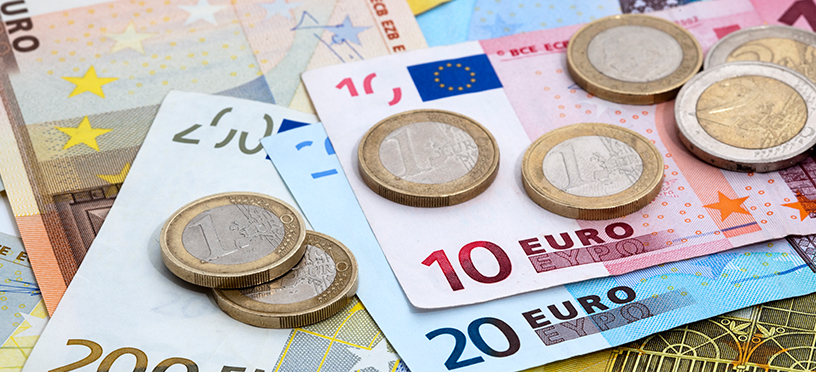
It depends on the season and location. Costs are highest in July and August, especially for accommodation, and lower in May, June, September and October and in winter. Eastern towns such as Tavira, Olhão and Vila Real de Santo António are generally cheaper than central resorts. Public beaches and many cliff walks are free. A Numbeo snapshot from June 2026 lists a mid-range restaurant meal for two at about €50 and a cappuccino at about €2.25.
-

What is the weather like in Algarve?
The Algarve has a mild climate with long hours of sunshine and little rain. Rain usually falls from November to March. Summer air temperatures are about 24°C to 29°C and sea temperatures about 21°C to 24°C. Winter air temperatures are about 15°C to 18°C.
-
What are the top things to do in Algarve?
Top activities include boat or kayak trips to Benagil Cave and the grottoes at Ponta da Piedade, walking the Seven Hanging Valleys trail near Carvoeiro, exploring the old towns of Lagos, Faro and Tavira, taking a ferry to the Ria Formosa barrier islands, and walking or cycling routes such as the Via Algarviana and the Ecovia.
-

What food is Algarve famous for?
The Algarve is known for fresh fish and seafood, including grilled sardines, octopus, clams in a cataplana, seafood açorda and fish stew. Inland dishes include carob bread, pork and game. Traditional sweets include almond morgadinhos, Dom Rodrigos and filhós. Medronho brandy is a local speciality.
What you need to know when traveling with Ryanair
View all FAQsCan I bring cabin baggage on a Ryanair flight?
Yes, Ryanair allows one small personal bag included with every fare. Larger cabin bags or priority boarding options can be added for an extra fee.
How do I check in for my Ryanair flight?
You can check in online via the Ryanair app or website. Online check-in typically opens 24 hours before departure, or earlier if you’ve purchased a seat.
Can I change my Ryanair flight after booking?
Yes, Ryanair allows flight changes, but fees may apply depending on the fare type and timing of the change.
What happens if my Ryanair flight is delayed or cancelled?
If your flight is disrupted, Ryanair may offer options such as rebooking, refunds, or assistance, depending on the circumstances and applicable regulations.
Can I book airport transfers or car hire with Ryanair?
Yes, when booking with Ryanair, you can add extras such as car hire and airport transfers through partner services like Carhire, making it easier to travel from the aiport to the city or surrounding areas.
What is Priority Boarding and how does it work with Ryanair?
Ryanair Priority Boarding lets you board using the Priority queue and bring two cabin bags on board: one small personal bag and one 10kg cabin bag, subject to availability and fees.