Cheap flights to Greece
Flights, routes and travel tips
-
Nov 2026 NO FARE
from €-- ---- --
-
Dec 2026 NO FARE
from €-- ---- --
-
Jan 2027 NO FARE
from €-- ---- --
-
Feb 2027 NO FARE
from €-- ---- --
-
Mar 2027 NO FARE
from €-- ---- --
-
Apr 2027 NO FARE
from €-- ---- --
-
May 2027 NO FARE
from €-- ---- --
-
Jun 2027 NO FARE
from €-- ---- --
-
Jul 2027 NO FARE
from €-- ---- --
-
Aug 2027 NO FARE
from €-- ---- --
-
Sep 2027 NO FARE
from €-- ---- --
-
Oct 2027 NO FARE
from €-- ---- --
- What is the cheapest time of year to visit Greece ?
- Prices in Greece are generally lowest outside the peak summer months, when fewer visitors travel to the islands and popular sites. The Greek National Tourism Organisation promotes off-season travel, especially in the countryside, as a quieter way to visit. Flight and accommodation prices vary by airport and year, so compare current fares and rates before booking.
- What are the most popular places to visit in Greece ?
- Greece offers a mix of historic cities, island destinations and natural landscapes. The official Visit Greece site highlights Meteora, Crete, Corfu, Mount Olympus, Thessaloniki, Monemvasia, Andros, Chios, Lesvos and the Epirus region around Ioannina. Major gateway airports include Athens, Thessaloniki, Corfu, Heraklion Crete, Chania, Rhodes, Santorini, Mykonos and Kos, which serve both the mainland and the islands.
- How do tourists get around in Greece ?
- Tourists in Greece commonly travel by domestic flights between the mainland and islands, by ferry for island-hopping, and by intercity bus. Within towns and cities, taxis and local buses are widely used, and Athens and Thessaloniki also have metro systems. Options and schedules vary by region and season, so check the official Visit Greece transportation information before you travel.
- What travel documents do I need to fly to Greece ?
- Travel document requirements for Greece depend on your nationality, residency status and the type of document you hold, and they can change. Greece follows Schengen area rules, so passport validity and entry conditions can apply. Check the official government travel advice for your country and the Greek authorities before you travel. Check the latest official guidance before you travel.
- Do I need a car when visiting Greece ?
- Whether you need a car in Greece depends on your itinerary. In Athens and Thessaloniki, and in many island towns, you can usually manage with public transport, taxis and walking. A car is more useful for exploring rural areas, mountain regions and less-connected coastal areas, where public transport may be limited. If you rent one, check driving rules, parking and road conditions locally.
- How long does it take to get from the airport to the main tourist areas of Greece ?
- Transfer times vary depending on destination, traffic and transport option, and Greece has several active airports serving different areas. Athens International Airport (ATH) is the main mainland gateway, and transfers to central Athens depend on the transport option chosen. Corfu (CFU), Chania (CHQ), Kefalonia (EFL), Heraklion Crete (HER), Mykonos (JMK), Skiathos (JSI), Santorini (JTR), Kos (KGS), Lemnos (LXS), Preveza - Aktion (PVK), Rhodes (RHO), Thessaloniki (SKG), Volos (VOL) and Zakynthos (ZTH) each have their own transfer options. Check the official website of each airport for current transport information before you travel.
Travel Tips
-

When is the best time to visit Greece
The best times are late spring (April to May) and autumn (September to October), when the weather is usually pleasant, rainfall is low and crowds are smaller. July and August are the hottest and busiest months. Winter (late October to mid-March) is colder with some rain, and many island hotels and restaurants close.
-

What is Greece known for ?
Greece is known for its varied landscapes, including high mountains, thick forests, fertile plains and a long coastline with beaches. It is also known for its ancient and cultural heritage, its cuisine and its islands.
-

What are the must-see places in Greece ?
Examples include the Acropolis of Athens, a UNESCO site since 1987, and the Santorini village of Oia, reached on a walking route of about 10 km. Mount Olympus, the highest mountain in Greece and a UNESCO Mixed World Heritage Site, is also a notable destination. The Archaeological Park of Aigai in Vergina, Macedonia, is a UNESCO site.
-

How many days do you need in Greece ?
Official and established travel guides suggest at least 10 days for a first trip, which allows time for Athens, the Peloponnese and a few islands. Rough Guides also offers 7-day, 10-day and 14-day itineraries. Shorter trips are possible but will cover fewer places.
-
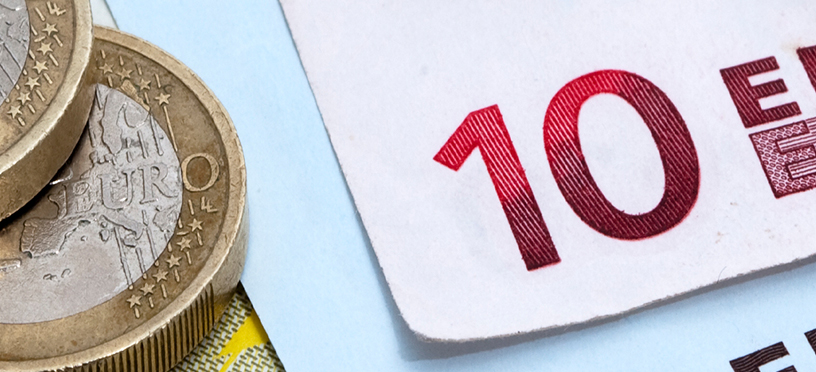
Is Greece expensive to visit ?
Costs vary by travel style. Lonely Planet lists hostel rooms from €25 to €65, family-run hotel rooms for a couple from €95, public bus tickets from €1.50 and a one-day Athens metro pass at around €4 to €5. Prices are generally higher in peak summer and on popular islands.
-

What is the weather like in Greece ?
Greece has a Mediterranean climate, with mild, rainy winters, relatively warm and dry summers, and extended sunshine for most of the year. The hottest period is usually the last ten days of July and the first of August. Summer winds called the meltemi cool the Aegean islands.
-

What are the top things to do in Greece ?
Popular activities include visiting archaeological sites and museums, hiking and climbing, sailing and island-hopping, and exploring villages and local food routes. Visit Greece also highlights routes such as Meteora, Monemvasia and Corfu's old town and countryside.
-

What food is the Greece famous for ?
Greece is known for dishes such as Greek salad (horiatiki), tzatziki, fava made from yellow split peas, dolmadakia, souvlaki, keftedakia, grilled octopus, fried calamari and moussaka. Olive oil, oregano, feta and fresh seafood are central to the cuisine.
What you need to know when traveling with Ryanair
View all FAQsCan I bring cabin baggage on a Ryanair flight?
Yes, Ryanair allows one small personal bag included with every fare. Larger cabin bags or priority boarding options can be added for an extra fee.
How do I check in for my Ryanair flight?
You can check in online via the Ryanair app or website. Online check-in typically opens 24 hours before departure, or earlier if you’ve purchased a seat.
Can I change my Ryanair flight after booking?
Yes, Ryanair allows flight changes, but fees may apply depending on the fare type and timing of the change.
What happens if my Ryanair flight is delayed or cancelled?
If your flight is disrupted, Ryanair may offer options such as rebooking, refunds, or assistance, depending on the circumstances and applicable regulations.
Can I book airport transfers or car hire with Ryanair?
Yes, when booking with Ryanair, you can add extras such as car hire and airport transfers through partner services like Carhire, making it easier to travel from the aiport to the city or surrounding areas.
What is Priority Boarding and how does it work with Ryanair?
Ryanair Priority Boarding lets you board using the Priority queue and bring two cabin bags on board: one small personal bag and one 10kg cabin bag, subject to availability and fees.