Cheap flights to Riga
Flights, routes and travel tips
-
Nov 2026 NO FARE
from €-- ---- --
-
Dec 2026 NO FARE
from €-- ---- --
-
Jan 2027 NO FARE
from €-- ---- --
-
Feb 2027 NO FARE
from €-- ---- --
-
Mar 2027 NO FARE
from €-- ---- --
-
Apr 2027 NO FARE
from €-- ---- --
-
May 2027 NO FARE
from €-- ---- --
-
Jun 2027 NO FARE
from €-- ---- --
-
Jul 2027 NO FARE
from €-- ---- --
-
Aug 2027 NO FARE
from €-- ---- --
-
Sep 2027 NO FARE
from €-- ---- --
-
Oct 2027 NO FARE
from €-- ---- --
- What is the cheapest time of year to visit Riga ?
- Prices for flights and accommodation in Riga are usually lowest outside the summer peak and the main holiday periods, typically from late autumn to early spring. Check current fares and hotel rates for your dates, as prices change and vary by event and season.
- What are the most popular places to visit in Riga ?
- The most popular areas for visitors are the historic centre of Riga, including the Old Town, and the wider Riga Historic and Leisure District. Check the Latvia Travel website for up-to-date information on sights, events and places to visit.
- How do tourists get around in Riga ?
- Visitors can get around Riga by public transport, taxi, or on foot, and the historic centre is easy to explore walking. Check the official Latvia Travel practical information for current public transport options and tips before you travel.
- What travel documents do I need to fly to Riga ?
- The documents you need depend on your nationality, residency and the type of document you hold, and entry rules can change. Check the official travel-document requirements for Latvia on the Ministry of Foreign Affairs website before you book and travel. Check the latest official guidance before you travel.
- Do I need a car when visiting Riga ?
- A car is not essential for visiting central Riga, as the historic centre is walkable and public transport and taxis are available. Car rental is available at Riga Airport if you plan to travel further afield in Latvia.
- How long does it take to get from the airport to the main tourist areas of Riga ?
- Riga Airport (RIX) serves the city, and transfer times to the Old Town and other main tourist areas vary depending on destination, traffic and the transport option you choose. Check the official Riga Airport transfer information for public transport, taxi and car rental options before you travel.
Travel Tips
-

When is the best time to visit Riga ?
May to September is the most comfortable period for sightseeing. July is Riga's warmest month, with a 1991–2020 mean of 19 °C, and the coldest months, January and February, average about -2.2 °C. December suits visits focused on the Christmas market and lights, but expect short daylight hours.
-
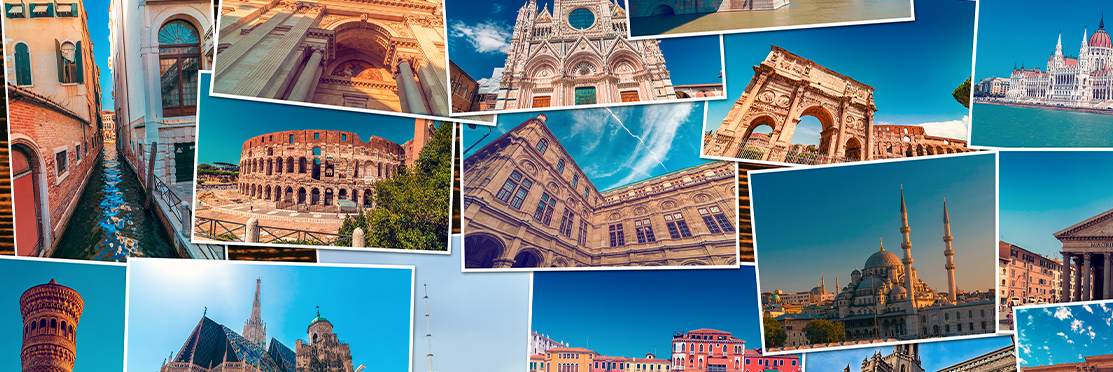
What is Riga known for ?
Riga is known for its UNESCO-listed historic centre, inscribed in 1997, and for having one of the finest concentrations of Art Nouveau architecture in the world. Its medieval Old Town, Hanseatic trading history and Art Nouveau district are its main attractions.
-
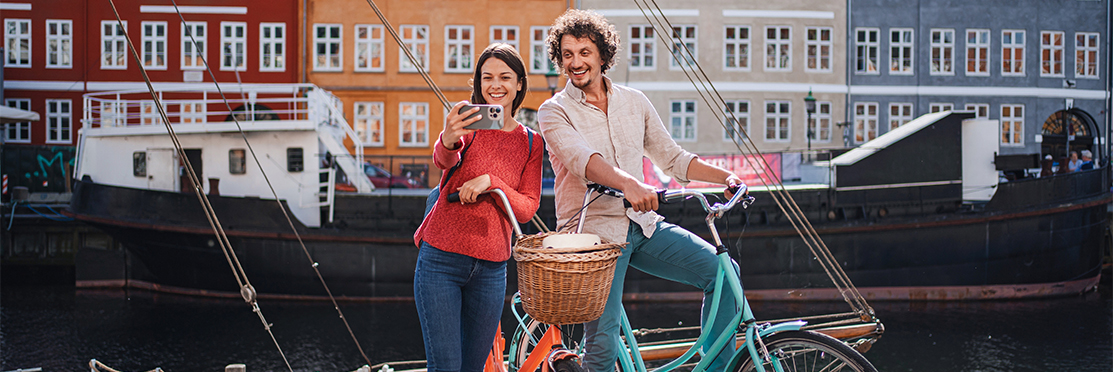
What are the must-see places in Riga ?
The main must-see places are the Old Town, Dome Cathedral, House of the Blackheads, Alberta Street in the Art Nouveau district, the Latvian National Opera and Ballet, and Riga Central Market. St Peter's Church offers a panoramic view from its observation deck.
-

How many days do you need in Riga ?
The Old Town and the Art Nouveau Quiet Centre are about a 10-minute walk apart, so the core sights can be covered in two to three days. Add extra time for museums, markets or a day trip to places such as Sigulda or Gauja National Park.
-
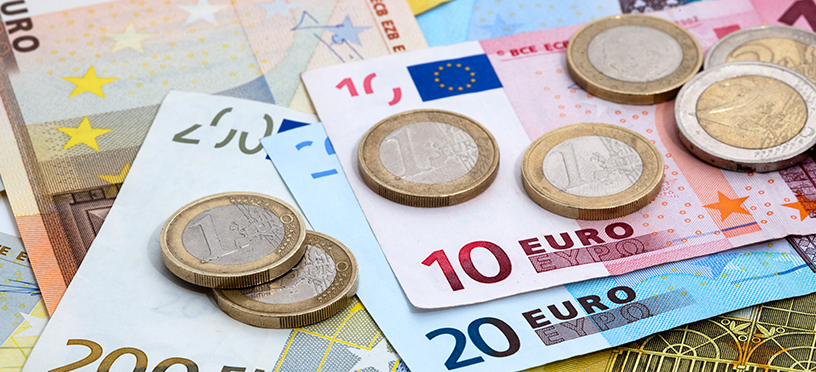
Is Riga expensive to visit ?
Latvia is generally not expensive by Western European standards. Typical examples are a single public transport ticket of €1.50, a three-course restaurant meal of €30–50, lunch of €7–10 and museum visits of about €3–10. Prices in the Old Town can be higher than elsewhere in Riga.
-

What is the weather like in Riga ?
Riga has a humid continental climate with warm summers and cold, snowy winters. The 1991–2020 normals show July as the warmest month at about 19 °C, and January and February as the coldest at about -2.2 °C. March is the driest month, at about 35 mm of rain on average, and July the wettest, at about 80 mm.
-
What are the top things to do in Riga ?
Top activities include walking the Old Town, viewing the Art Nouveau facades on Alberta Street, visiting the Riga Central Market, attending a performance at the Latvian National Opera and Ballet, and exploring the Latvian Ethnographic Open-Air Museum. Visitors can also take a food or drink tasting, or ride the Riga Rise Observation Wheel.
-

What food is the Riga famous for ?
Riga is known for traditional Latvian foods such as dark rye bread (rupjmaize), smoked fish, grey peas with bacon, and herring with potatoes. Riga Black Balsam, a 45% herbal liqueur, is also a signature local drink. The Central Market is a good place to try these products.
What you need to know when traveling with Ryanair
View all FAQsCan I bring cabin baggage on a Ryanair flight?
Yes, Ryanair allows one small personal bag included with every fare. Larger cabin bags or priority boarding options can be added for an extra fee.
How do I check in for my Ryanair flight?
You can check in online via the Ryanair app or website. Online check-in typically opens 24 hours before departure, or earlier if you’ve purchased a seat.
Can I change my Ryanair flight after booking?
Yes, Ryanair allows flight changes, but fees may apply depending on the fare type and timing of the change.
What happens if my Ryanair flight is delayed or cancelled?
If your flight is disrupted, Ryanair may offer options such as rebooking, refunds, or assistance, depending on the circumstances and applicable regulations.
Can I book airport transfers or car hire with Ryanair?
Yes, when booking with Ryanair, you can add extras such as car hire and airport transfers through partner services like Carhire, making it easier to travel from the aiport to the city or surrounding areas.
What is Priority Boarding and how does it work with Ryanair?
Ryanair Priority Boarding lets you board using the Priority queue and bring two cabin bags on board: one small personal bag and one 10kg cabin bag, subject to availability and fees.