Cheap flights to Brussels
Flights, routes and travel tips
-
Oct 2026 NO FARE
From £-- ---- --
-
Nov 2026 NO FARE
From £-- ---- --
-
Dec 2026 NO FARE
From £-- ---- --
-
Jan 2027 NO FARE
From £-- ---- --
-
Feb 2027 NO FARE
From £-- ---- --
-
Mar 2027 NO FARE
From £-- ---- --
-
Apr 2027 NO FARE
From £-- ---- --
-
May 2027 NO FARE
From £-- ---- --
-
Jun 2027 NO FARE
From £-- ---- --
-
Jul 2027 NO FARE
From £-- ---- --
-
Aug 2027 NO FARE
From £-- ---- --
-
Sep 2027 NO FARE
From £-- ---- --
- What is the cheapest time of year to visit Brussels?
- There is no single cheapest time for every trip. Compare accommodation and transport prices across dates, as seasonal demand affects the total cost. Travelling outside major events and peak periods may help reduce expenses.
- What are the most popular places to visit in Brussels?
- Popular places include the Grand-Place, the Atomium, and the Magritte Museum. Check each attraction's official website for opening times, admission and visiting information.
- How do tourists get around in Brussels?
- Tourists can use Brussels public transport, including metro, tram and bus services operated by STIB-MIVB. Walking, cycling and taxis are other options; check the operator's website for routes, fares and service updates.
- What travel documents do I need to fly to Brussels?
- Travel-document requirements depend on your nationality, residency and document type and can change. Check the Belgian authorities and your government's official travel advice for the latest passport, visa and entry requirements. Check the latest official guidance before you travel.
- Do I need a car when visiting Brussels?
- You generally do not need a car for a city visit because Brussels has public transport and walkable central areas. A car may be useful for destinations outside Brussels, but check parking and traffic restrictions before driving.
- How long does it take to get from the airport to the main tourist areas of Brussels?
- Brussels Airport and Brussels South Charleroi Airport both serve travellers visiting Brussels. Transfer times to the main tourist areas, including the Grand-Place, Atomium and Magritte Museum area, vary depending on the airport, destination, traffic and transport option. Check the relevant airport and local transport information for current journey options and times.
Travel Tips
-

When is the best time to visit Brussels?
The best time to visit Brussels is April–June or September–October, when the weather is mild and the city’s squares, cafés, and parks are pleasant to enjoy. Spring and early autumn usually bring comfortable sightseeing conditions and fewer extremes than winter or midsummer. December is also popular for festive markets and seasonal atmosphere.
-
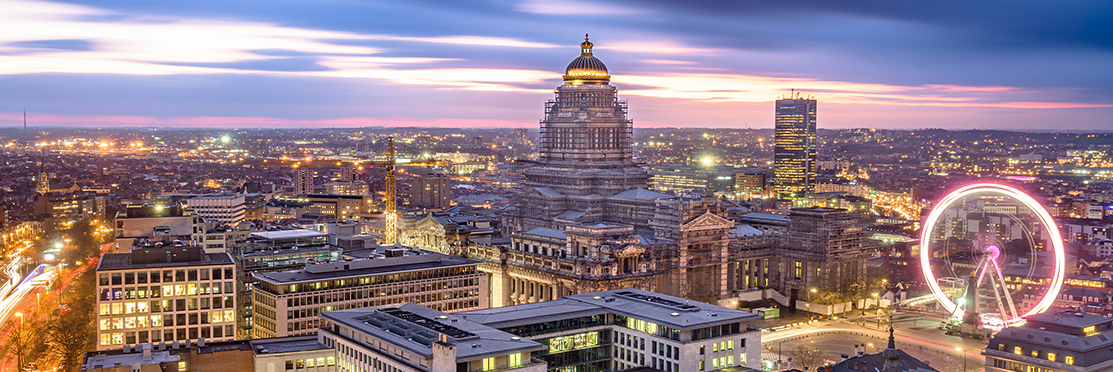
What is Brussels known for?
Brussels is known for its ornate Grand Place, European Union institutions, comic-strip culture, and world-famous chocolate and beer. The city combines grand historic architecture with a multicultural, political, and artistic identity. It is also famous for waffles, fries, and Art Nouveau design.
-
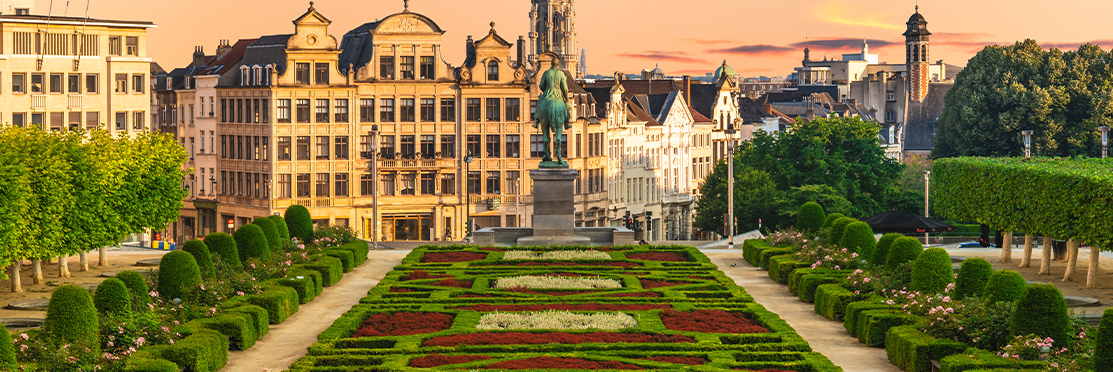
What are the must-see places in Brussels?
Top must-see places in Brussels include Grand Place, Atomium, Manneken Pis, the Royal Gallery of Saint Hubert, and the Magritte Museum. Other highlights include the European Quarter, Parc du Cinquantenaire, and Art Nouveau houses. Popular day trips include Bruges, Ghent, and Antwerp.
-
How many days do you need in Brussels?
Most travellers need 2–3 days to explore Brussels’ main sights, museums, and food scene. With 4–5 days, you can add day trips to other Belgian cities. Brussels is compact enough for a short stay but also works well as a base for wider travel in Belgium.
-
Is Brussels expensive to visit?
Brussels is moderately expensive, with accommodation and dining costs generally lower than Paris or London but higher than some southern European cities. Budget travellers may spend around €60–€100/day, while mid-range visitors often spend €120–€190/day. Prices rise during EU events, weekends, and holiday periods.
-
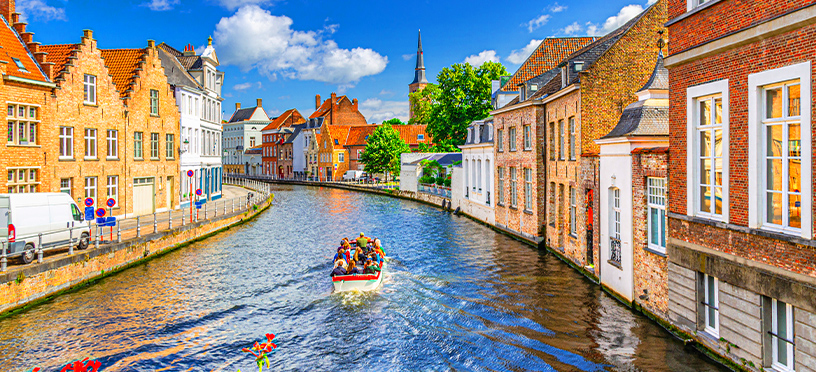
What is the weather like in Brussels?
Brussels has a temperate climate with mild summers, cool winters, and frequent cloud cover and rain. Summer temperatures usually range from 20–25°C, while winter temperatures often stay between 1–7°C. Showers are possible year-round, so a light waterproof layer is useful.
-
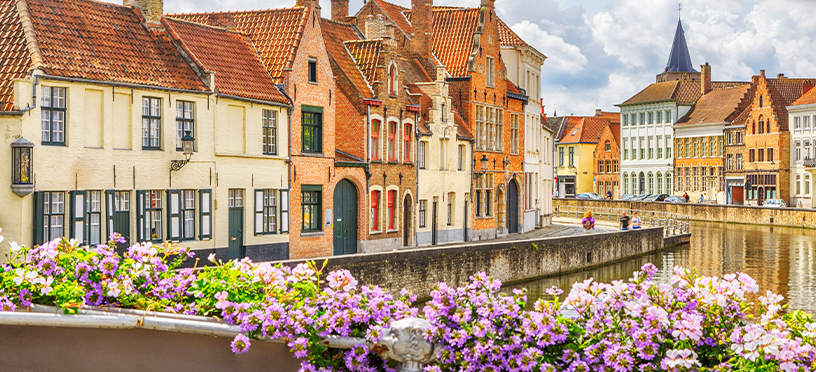
What are the top things to do in Brussels?
Admire Grand Place, sample Belgian chocolate and beer, and visit the Atomium and major museums. Explore comic art, browse elegant shopping arcades, and enjoy day trips to Bruges or Ghent. If you want to explore Belgium more independently, a rental car can be useful for reaching smaller towns and countryside areas.
-
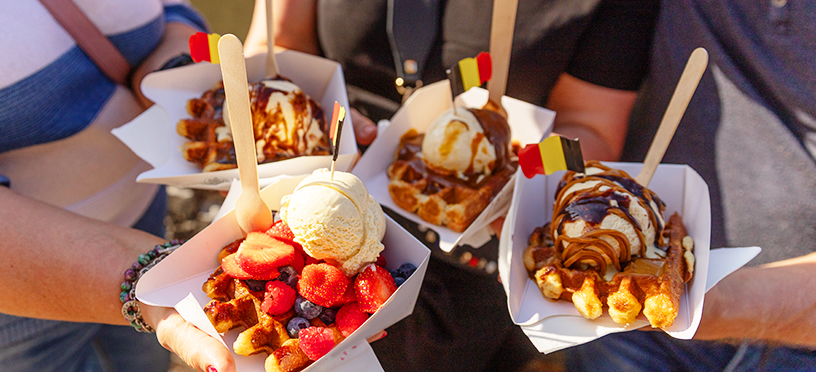
What food is the Brussels famous for?
Brussels is famous for waffles, Belgian fries, mussels, chocolate, and a huge variety of beer. Other local favourites include stoemp, carbonnade flamande, and speculoos. The city’s food culture mixes hearty comfort dishes with artisan sweets and café traditions.
What you need to know when traveling with Ryanair
View all FAQsCan I bring cabin baggage on a Ryanair flight?
Yes, Ryanair allows one small personal bag included with every fare. Larger cabin bags or priority boarding options can be added for an extra fee.
How do I check in for my Ryanair flight?
You can check in online via the Ryanair app or website. Online check-in typically opens 24 hours before departure, or earlier if you’ve purchased a seat.
Can I change my Ryanair flight after booking?
Yes, Ryanair allows flight changes, but fees may apply depending on the fare type and timing of the change.
What happens if my Ryanair flight is delayed or cancelled?
If your flight is disrupted, Ryanair may offer options such as rebooking, refunds, or assistance, depending on the circumstances and applicable regulations.
Can I book airport transfers or car hire with Ryanair?
Yes, when booking with Ryanair, you can add extras such as car hire and airport transfers through partner services like Carhire, making it easier to travel from the aiport to the city or surrounding areas.
What is Priority Boarding and how does it work with Ryanair?
Ryanair Priority Boarding lets you board using the Priority queue and bring two cabin bags on board: one small personal bag and one 10kg cabin bag, subject to availability and fees.