Cheap flights from Riga to Cologne
Flights, routes and travel tips
-
Oct 2026
From €123.6Each way
-
Nov 2026 NO FARE
From €-- ---- --
-
Dec 2026 NO FARE
From €-- ---- --
-
Jan 2027 NO FARE
From €-- ---- --
-
Feb 2027 NO FARE
From €-- ---- --
-
Mar 2027
From €88.99Each way
-
Apr 2027
From €77.99Each way
-
May 2027
From €67.99Each way
-
Jun 2027
From €98.99Each way
-
Jul 2027 CHEAPEST
From €58.99Each way
-
Aug 2027
From €109.99Each way
-
Sep 2027 CHEAPEST
From €58.99Each way
Book cheap flights with Ryanair and discover Cologne
| From | To | Flight type | Departure date | Departure time | Flight time | Price | Route availability |
|---|---|---|---|---|---|---|---|
| Riga RIX | Cologne CGN | One way | Tue 13 Jul | Departure time: 20:25 | Flight time: 2h 15m | €58.99 | Route availability: M T W T F S S |
| Riga RIX | Cologne CGN | One way | Tue 28 Sep | Departure time: 20:25 | Flight time: 2h 15m | €58.99 | Route availability: M T W T F S S |
| Riga RIX | Cologne CGN | One way | Tue 04 May | Departure time: 20:25 | Flight time: 2h 15m | €67.99 | Route availability: M T W T F S S |
| Riga RIX | Cologne CGN | One way | Sat 24 Apr | Departure time: 10:10 | Flight time: 2h 15m | €77.99 | Route availability: M T W T F S S |
| Riga RIX | Cologne CGN | One way | Tue 30 Mar | Departure time: 20:25 | Flight time: 2h 15m | €88.99 | Route availability: M T W T F S S |
- How frequent are Ryanair flights from Riga to Cologne?
- Ryanair operates flights from Riga to Cologne on multiple days each week, typically offering one departure on each operating day, resulting in about one flight per day when the service runs.
- What is the cheapest time to fly from Riga to Cologne?
- Mid-week flights (Tuesday or Wednesday) are often cheaper. Booking in advance and using Ryanair’s "Fare Finder" can help you find the best deals.
- How long does it take to get from Cologne airport to the city centre?
- Cologne Bonn Airport is about 15 km south-east of central Cologne. The usual fastest public option is the S‑Bahn or regional train from Flughafen Köln/Bonn to Köln Hbf, typically taking around 15‑20 minutes. Taxis are available outside the terminals and usually take about 20‑25 minutes to the city centre in normal traffic, while local bus connections are slower.
- How is transport in Cologne for tourists?
- Transport in Cologne is generally tourist-friendly. The city has a well-developed KVB public transport network of trams/light rail, buses and local trains, with real-time departure information and easy connections across the centre and outer districts. The central sightseeing area around Cologne Cathedral and the Altstadt is also very walkable, so most visitors combine walking with short tram or train rides.
- What passport or ID do I need to fly from Riga to Cologne?
- Travel document requirements for flights from Riga to Cologne depend on your nationality, residency and the type of travel document you hold. Irish citizens can usually travel to Germany with a valid passport or an Irish passport card, but requirements may vary. Always check the latest official guidance from the Irish Department of Foreign Affairs and the German authorities before you travel.
- Do I need to book car hire for my trip to Cologne?
- Booking a car is recommended if you want to explore outside Cologne or travel at your own pace. You can easily book car hire alongside your flight with Ryanair for added convenience.
Travel Tips
-

When is the best time to visit Germany?
The best time to visit Germany is May to September for cities, castles, rivers, and outdoor travel. December is also a standout season for Christmas markets, while winter is good for alpine areas in the south. Spring and early autumn are especially pleasant for sightseeing with fewer crowds than peak summer.
-
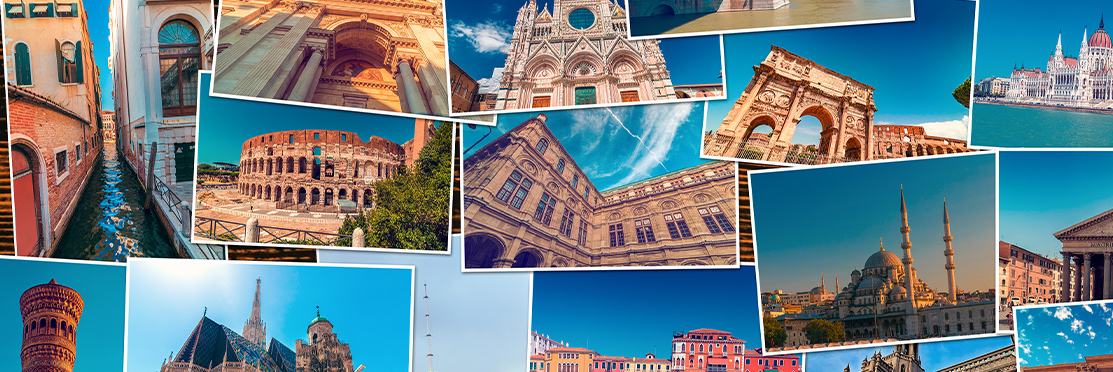
What is Germany known for?
Germany is known for its historic cities, castles, beer culture, forests, and strong cultural heritage. It is especially recognised for Berlin, Bavaria, the Rhine, Christmas markets, and world-famous engineering. The country is also known for museums, fairytale routes, and regional traditions.
-
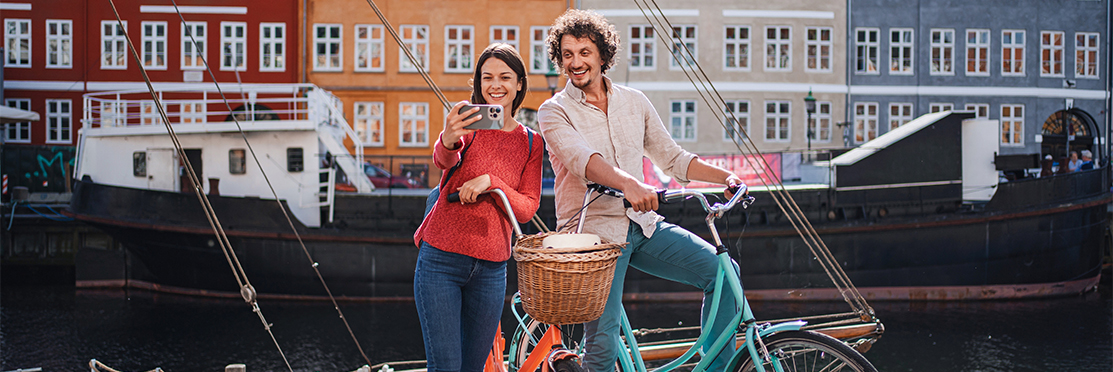
What are the must-see places in Germany?
Must-see places in Germany include Berlin, Munich, Neuschwanstein Castle, the Rhine Valley, and Hamburg. Travellers also visit Cologne, Dresden, the Black Forest, Heidelberg, and Bavaria’s alpine towns. Berlin is the main choice for history and contemporary culture.
-

How many days do you need in Germany?
Most travellers need 7 to 10 days in Germany to combine Berlin or Munich with a few regional highlights. A trip of 10 to 14 days allows time for castles, river valleys, and multiple cities. Germany’s size means shorter trips are best focused on one or two regions.
-
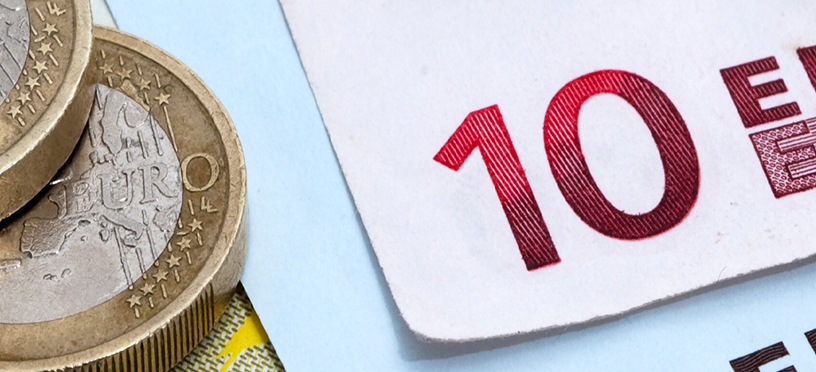
Is Germany expensive to visit?
Germany is generally a mid-range Western European destination. Budget travellers may spend around €65 to €95 per day, while mid-range travellers often spend €130 to €220 per day. Costs are usually highest in Munich, Frankfurt, and during major festivals or Christmas markets.
-

What is the weather like in Germany?
Germany has a temperate seasonal climate, with warm summers and cold winters. Northern areas are generally cooler and more maritime, while the south can be warmer in summer and snowier in winter. Weather is usually suitable for year-round city travel, with seasonal variation by region.
-

What are the top things to do in Germany?
Top things to do in Germany include visiting Berlin’s historic sites, seeing Neuschwanstein Castle, and exploring Munich and Bavaria. Many travellers also enjoy Rhine cruises, Christmas markets, museum visits, beer halls, and scenic road trips through forests and mountain regions.
-

What food is the Germany famous for?
Germany is famous for sausages, pretzels, schnitzel, sauerkraut, and Black Forest cake. Regional dishes vary widely, with hearty meat dishes in Bavaria, seafood in the north, and strong bread and beer traditions nationwide. Beer culture is one of Germany’s best-known culinary associations.
What you need to know when traveling with Ryanair
View all FAQsCan I bring cabin baggage on a Ryanair flight?
Yes, Ryanair allows one small personal bag included with every fare. Larger cabin bags or priority boarding options can be added for an extra fee.
How do I check in for my Ryanair flight?
You can check in online via the Ryanair app or website. Online check-in typically opens 24 hours before departure, or earlier if you’ve purchased a seat.
Can I change my Ryanair flight after booking?
Yes, Ryanair allows flight changes, but fees may apply depending on the fare type and timing of the change.
What happens if my Ryanair flight is delayed or cancelled?
If your flight is disrupted, Ryanair may offer options such as rebooking, refunds, or assistance, depending on the circumstances and applicable regulations.
Can I book airport transfers or car hire with Ryanair?
Yes, when booking with Ryanair, you can add extras such as car hire and airport transfers through partner services like Carhire, making it easier to travel from the aiport to the city or surrounding areas.
What is Priority Boarding and how does it work with Ryanair?
Ryanair Priority Boarding lets you board using the Priority queue and bring two cabin bags on board: one small personal bag and one 10kg cabin bag, subject to availability and fees.