Cheap flights to Banja Luka
Flights, routes and travel tips
-
Oct 2026 NO FARE
From €-- ---- --
-
Nov 2026 NO FARE
From €-- ---- --
-
Dec 2026 NO FARE
From €-- ---- --
-
Jan 2027 NO FARE
From €-- ---- --
-
Feb 2027 NO FARE
From €-- ---- --
-
Mar 2027 NO FARE
From €-- ---- --
-
Apr 2027 NO FARE
From €-- ---- --
-
May 2027 NO FARE
From €-- ---- --
-
Jun 2027 NO FARE
From €-- ---- --
-
Jul 2027 NO FARE
From €-- ---- --
-
Aug 2027 NO FARE
From €-- ---- --
-
Sep 2027 NO FARE
From €-- ---- --
- What is the cheapest time of year to visit Banja Luka?
- Late autumn, winter and early spring offer the lowest accommodation and food costs in Banja Luka. According to Numbeo, Banja Luka has significantly lower daily costs compared to Western European cities, with meals at inexpensive restaurants costing around 17 KM and local transport passes at 78 KM monthly. Summer months (June-August) tend to attract more tourists and may see slightly higher prices. The city has a continental climate with mild winters, making shoulder seasons (April-May and September-October) particularly appealing for budget-conscious travelers seeking moderate temperatures with lower peak-season pricing.
- What are the most popular places to visit in Banja Luka?
- Key attractions in Banja Luka include the Banski Dvor (Palace of the Bans), a historic stately home now housing the National Assembly, a concert hall, gallery, and restaurant; the Kastel Fortress, a historic fortification near the picturesque Vrbas River offering panoramic city views; the Cathedral of Christ the Saviour, built in 1929 and representing important religious architecture; and the Ferhat Pasha Mosque (Ferhadija), a significant Ottoman-era structure. The city centre combines preserved architecture with natural beauty along the Vrbas River, making it ideal for cultural exploration and photography.
- How do tourists get around in Banja Luka?
- Tourists can navigate Banja Luka using several transport options. Taxis are economical and convenient for those unfamiliar with the city, with fares starting at 3 KM and costing approximately 2 KM per kilometre. Local buses serve the city and are affordable, though they may be crowded during peak hours. A monthly public transport pass costs 78 KM. Walking is viable for exploring the compact city centre, and car rentals are available for those wishing to explore surrounding areas. For budget travelers, buses offer the most economical option at around 2.30 KM per journey.
- What travel documents do I need to fly to Banja Luka?
- Travel document requirements for Bosnia and Herzegovina vary depending on your nationality, residency status, and the type of document you hold. Generally, visitors require a valid passport. However, specific visa requirements, exemptions, and entry rules depend on your country of origin and may change. Some nationalities may qualify for visa-free travel for short stays, while others require advance visa applications. Children may require additional documentation such as parental consent letters. Check the latest official guidance before you travel.
- Do I need a car when visiting Banja Luka?
- A car is not essential for visiting Banja Luka city centre. The city is compact and easily navigable on foot, with taxis and buses providing affordable local transport. Taxis cost approximately 3 KM to start plus 2 KM per kilometre, making them accessible for urban exploration. However, a car may be beneficial if you plan to visit surrounding attractions in the Bosanska Krajina region or explore nature areas outside the city. For city-centre activities, museums, and cultural sites, public transport and walking suffice.
- How long does it take to get from the airport to the main tourist areas of Banja Luka?
- Transfer times from Banja Luka International Airport (BNX) to the city centre vary depending on your chosen transport. A direct bus service operates approximately 3 times daily and takes approximately 35 minutes to reach central Banja Luka (Vidovdanska station), costing 2-5 KM. Taxi transfer typically takes 26 minutes and costs 25-31 GBP (approximately 3,000-3,800 KM). Private car hire takes a similar 26 minutes. The airport is located approximately 16 miles (25 km) from the city centre. Transfer times may vary depending on traffic conditions and your specific destination within the city.
Travel Tips
-

When is the best time to visit Bosnia and Herzegovina?
The best time to visit Bosnia and Herzegovina is May to June and September to October, when temperatures are mild and sightseeing is comfortable. Summer is good for cities, rivers, and mountain scenery, though some areas can be hot. Winter is best for skiing and snowy landscapes, especially around Jahorina and Bjelašnica.
-
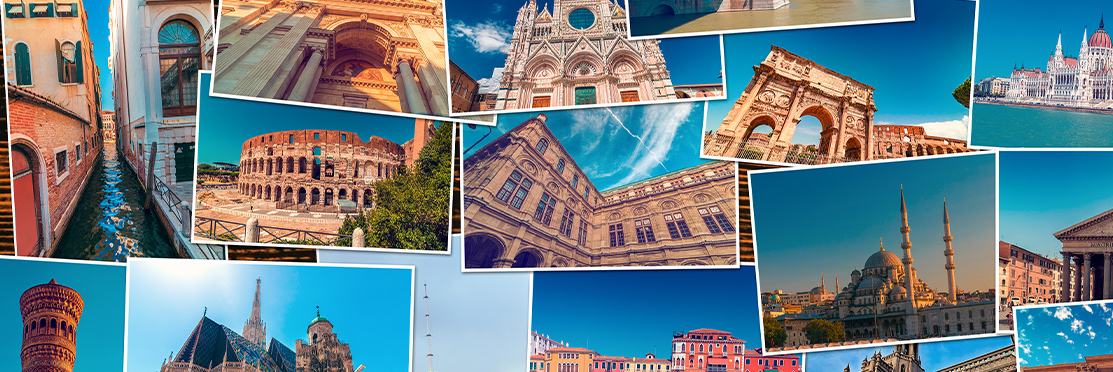
What is Bosnia and Herzegovina known for?
Bosnia and Herzegovina is known for its Ottoman-era towns, mountain landscapes, complex history, and multicultural heritage. It is especially associated with Sarajevo, Mostar, stone bridges, mosques, and Austro-Hungarian architecture. The country is also known for warm hospitality and scenic river valleys.
-
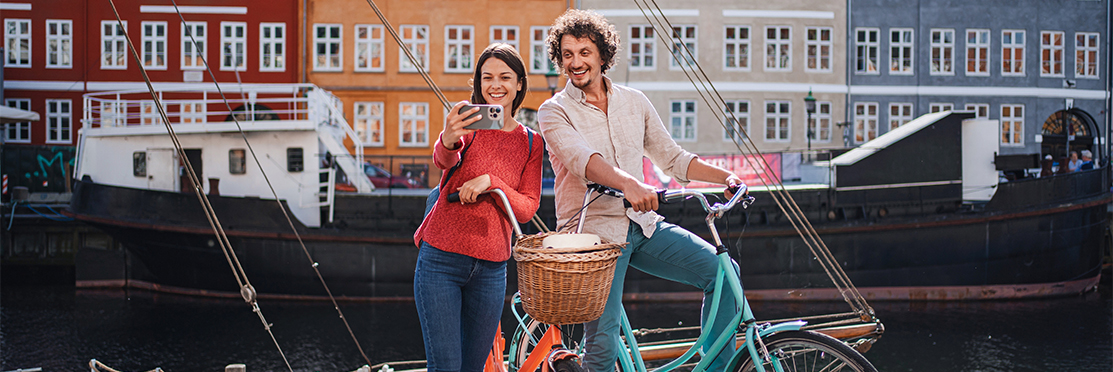
What are the must-see places in Bosnia and Herzegovina?
Must-see places in Bosnia and Herzegovina include Sarajevo, Mostar, Blagaj, Kravica Waterfalls, and Jajce. Travellers also visit Počitelj, Trebinje, and the mountains around Sarajevo. The Stari Most bridge in Mostar is one of the country’s most iconic landmarks.
-

How many days do you need in Bosnia and Herzegovina?
Most travellers need 4 to 6 days in Bosnia and Herzegovina to see Sarajevo, Mostar, and a few nearby highlights. A trip of 7 to 9 days allows time for waterfalls, historic villages, and mountain scenery. If you want hiking or winter sports, staying longer is worthwhile.
-
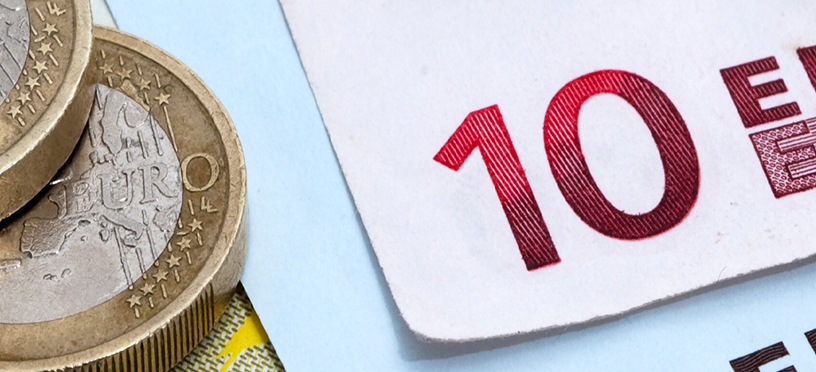
Is Bosnia and Herzegovina expensive to visit?
Bosnia and Herzegovina is one of the more affordable destinations in Europe. Budget travellers can often manage on around €35 to €55 per day, while mid-range travellers usually spend €70 to €130 per day. Accommodation and food are generally good value compared with Western Europe.
-
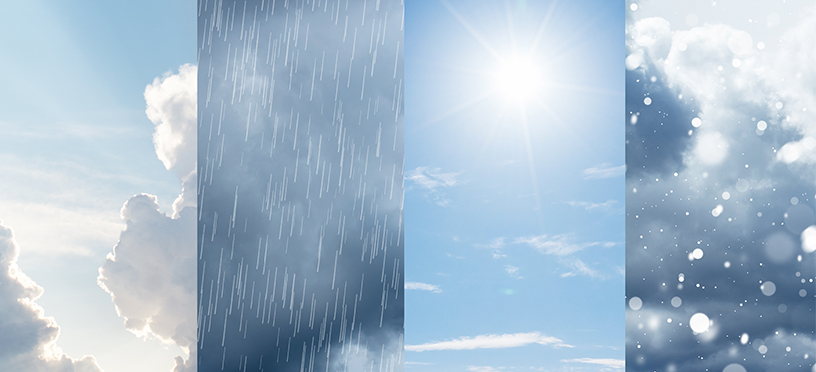
What is the weather like in Bosnia and Herzegovina?
Bosnia and Herzegovina has a varied climate, with continental weather inland and more Mediterranean conditions in the south. Summers are warm to hot, while winters can be cold with snow, especially in the mountains. Sarajevo and higher areas are cooler than Mostar and Herzegovina.
-
What are the top things to do in Bosnia and Herzegovina?
Top things to do in Bosnia and Herzegovina include exploring Sarajevo’s old bazaar, visiting Mostar’s Stari Most, and seeing Blagaj Tekke and Kravica Waterfalls. Many travellers also visit historic towns, learn about the country’s modern history, and enjoy hiking or rafting in scenic natural areas.
-

What food is the Bosnia and Herzegovina famous for?
Bosnia and Herzegovina is famous for ćevapi, burek, begova čorba, and dolma-style stuffed dishes. Grilled meats, flaky pastries, strong coffee, and Ottoman-influenced desserts are common. The cuisine reflects a mix of Balkan, Turkish, and Central European influences.
What you need to know when traveling with Ryanair
View all FAQsCan I bring cabin baggage on a Ryanair flight?
Yes, Ryanair allows one small personal bag included with every fare. Larger cabin bags or priority boarding options can be added for an extra fee.
How do I check in for my Ryanair flight?
You can check in online via the Ryanair app or website. Online check-in typically opens 24 hours before departure, or earlier if you’ve purchased a seat.
Can I change my Ryanair flight after booking?
Yes, Ryanair allows flight changes, but fees may apply depending on the fare type and timing of the change.
What happens if my Ryanair flight is delayed or cancelled?
If your flight is disrupted, Ryanair may offer options such as rebooking, refunds, or assistance, depending on the circumstances and applicable regulations.
Can I book airport transfers or car hire with Ryanair?
Yes, when booking with Ryanair, you can add extras such as car hire and airport transfers through partner services like Carhire, making it easier to travel from the aiport to the city or surrounding areas.
What is Priority Boarding and how does it work with Ryanair?
Ryanair Priority Boarding lets you board using the Priority queue and bring two cabin bags on board: one small personal bag and one 10kg cabin bag, subject to availability and fees.