Cheap flights to Grenoble
Flights, routes and travel tips
-
Oct 2026 NO FARE
From €-- ---- --
-
Nov 2026 NO FARE
From €-- ---- --
-
Dec 2026 CHEAPEST
From €32.81Each way
-
Jan 2027
From €57.99Each way
-
Feb 2027
From €35.99Each way
-
Mar 2027
From €63.23Each way
-
Apr 2027
From €49.99Each way
-
May 2027 NO FARE
From €-- ---- --
-
Jun 2027 NO FARE
From €-- ---- --
-
Jul 2027 NO FARE
From €-- ---- --
-
Aug 2027 NO FARE
From €-- ---- --
-
Sep 2027 NO FARE
From €-- ---- --
Book cheap flights with Ryanair and discover Grenoble
| From | To | Flight type | Departure date | Departure time | Flight time | Price | Route availability |
|---|---|---|---|---|---|---|---|
| Dublin DUB | Grenoble GNB | One way | Sun 13 Dec | Departure time: 06:40 | Flight time: 2h 10m | €32.81 | Route availability: M T W T F S S |
| Dublin DUB | Grenoble GNB | One way | Sun 28 Feb | Departure time: 06:40 | Flight time: 2h 10m | €35.99 | Route availability: M T W T F S S |
| Dublin DUB | Grenoble GNB | One way | Sun 04 Apr | Departure time: 06:40 | Flight time: 2h 10m | €49.99 | Route availability: M T W T F S S |
| Dublin DUB | Grenoble GNB | One way | Sun 17 Jan | Departure time: 06:40 | Flight time: 2h 10m | €57.99 | Route availability: M T W T F S S |
| Dublin DUB | Grenoble GNB | One way | Sun 14 Mar | Departure time: 06:40 | Flight time: 2h 10m | €63.23 | Route availability: M T W T F S S |
- What is the cheapest time of year to visit Grenoble?
- Grenoble offers distinct seasonal experiences. Shoulder seasons—spring (April–May) and autumn (September–October)—typically offer better value with pleasant weather and fewer crowds compared to peak summer and winter periods. Winter (November–March) brings cold temperatures and snow to surrounding mountains, attracting ski enthusiasts, while summer (June–August) is the busiest and most expensive season. Check accommodation and attraction prices during shoulder seasons for the best value.
- What are the most popular places to visit in Grenoble?
- Key attractions include the Bastille cable car (operating since 1934, offering panoramic views and attracting over 300,000 visitors annually), the Grenoble Museum of Art (one of Europe's finest collections), the Dauphinois Museum, Domaine de Vizille (with 92 hectares of parkland and a French Revolution museum), Château de Sassenage, historic Place Saint-André in the city centre, and extensive hiking networks through the surrounding Chartreuse, Vercors, and Belledonne mountains.
- How do tourists get around in Grenoble?
- Grenoble offers multiple transportation options: a comprehensive public transport network including buses and the rapid transit system (SNCF trains); the iconic Bastille cable car; Métrovélo (bike-share scheme with over 4,000 bikes at 400 stations); taxis; and walking. The city is compact and pedestrian-friendly, with excellent cycling infrastructure. Buses connect the city and surrounding areas. For longer journeys, regional rail links are available via Grenoble station.
- What travel documents do I need to fly to Grenoble?
- Travel document requirements for France depend on your nationality, residency, and the type of document you hold. EU/EEA citizens and many other nationalities may travel visa-free for tourism; however, valid travel identification is required. Non-EU/EEA citizens should check specific entry requirements before travel. All passengers must have a valid passport or national ID card. Requirements can change and vary significantly by nationality. Check the latest official guidance before you travel.
- Do I need a car when visiting Grenoble?
- No, a car is not necessary. Grenoble has an efficient public transport network (buses and trains), a well-developed bike-sharing system (Métrovélo), taxis, and is very walkable. The city centre is compact and pedestrian-friendly. Many tourists navigate Grenoble successfully using public transport, bicycles, and walking. However, a car may be useful for exploring more remote mountain areas, hiking trailheads, and the surrounding Alps region (Chartreuse, Vercors, Belledonne, Oisans).
- How long does it take to get from the airport to the main tourist areas of Grenoble?
- Grenoble-Isère Airport (GNB) is located in Saint-Étienne-de-Saint-Geoirs, approximately 45 km north of Grenoble city centre. Transfer times vary depending on your chosen transport option and traffic conditions. The airport provides shuttle services and taxis to reach the city. Alternatively, Lyon Saint-Exupéry Airport (approximately 55 minutes from Grenoble) and Geneva Airport (approximately 1 hour 45 minutes) offer additional options. For accurate journey times and available transport services, check the official airport website or local transport information.
Travel Tips
-

When is the best time to visit France?
The best time to visit France is April to June and September to October, when the weather is pleasant and most regions are ideal for sightseeing. Summer is popular for Paris, the Riviera, and Provence, but it is also busier and more expensive. Winter is best for skiing in the Alps and festive city breaks.
-
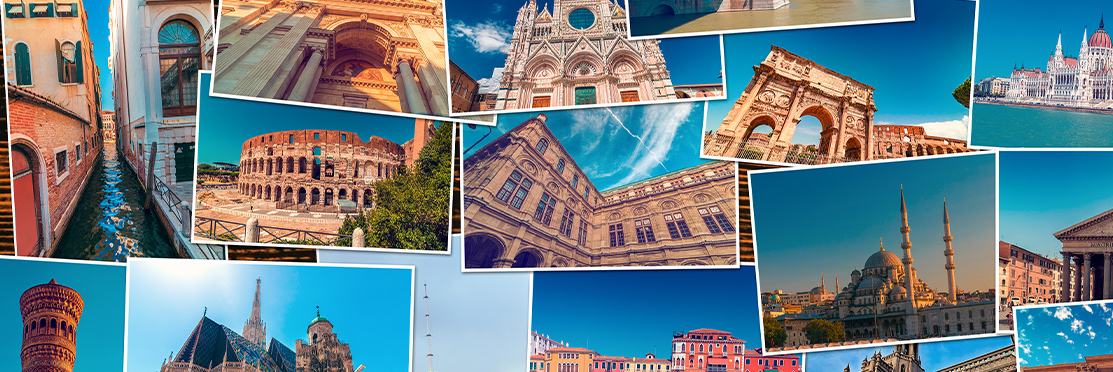
What is France known for?
France is known for its art, cuisine, wine, fashion, history, and iconic landmarks. It is especially recognised for Paris, the Eiffel Tower, the French Riviera, Provence, and world-famous food culture. The country is also known for castles, vineyards, and diverse regional identities.
-
What are the must-see places in France?
Must-see places in France include Paris, Provence, the French Riviera, the Loire Valley, and Mont Saint-Michel. Travellers also visit Nice, Lyon, Bordeaux, Strasbourg, and the Alps. Paris remains the essential first stop for most visitors.
-
How many days do you need in France?
Most travellers need 7 to 10 days in France to combine Paris with one or two other regions. A trip of 10 to 14 days allows time for a broader itinerary including countryside, coast, or wine regions. France is large and varied, so longer trips are especially rewarding.
-
Is France expensive to visit?
France is generally a mid-range to expensive destination, especially in Paris and the Riviera. Budget travellers may spend around €70 to €110 per day, while mid-range travellers often spend €150 to €250 per day. Costs vary a lot by region, season, and style of travel.
-

What is the weather like in France?
France has a varied climate, with oceanic weather in the west, Mediterranean conditions in the south, and colder alpine weather in the mountains. Summers are warm across much of the country, while winters range from mild on the coast to snowy in the Alps. Spring and autumn are often the most comfortable seasons for travel.
-

What are the top things to do in France?
Top things to do in France include visiting Paris landmarks and museums, exploring villages in Provence, and enjoying the coast around Nice and the Riviera. Many travellers also visit wine regions, tour castles in the Loire Valley, ski in the Alps, and experience French food markets and cafés.
-

What food is the France famous for?
France is famous for croissants, baguettes, cheese, wine, coq au vin, boeuf bourguignon, and crêpes. Its cuisine varies by region, from seafood and butter-rich dishes in the northwest to Mediterranean flavours in the south. French pastries, breads, and fine dining are especially renowned worldwide.
What you need to know when traveling with Ryanair
View all FAQsCan I bring cabin baggage on a Ryanair flight?
Yes, Ryanair allows one small personal bag included with every fare. Larger cabin bags or priority boarding options can be added for an extra fee.
How do I check in for my Ryanair flight?
You can check in online via the Ryanair app or website. Online check-in typically opens 24 hours before departure, or earlier if you’ve purchased a seat.
Can I change my Ryanair flight after booking?
Yes, Ryanair allows flight changes, but fees may apply depending on the fare type and timing of the change.
What happens if my Ryanair flight is delayed or cancelled?
If your flight is disrupted, Ryanair may offer options such as rebooking, refunds, or assistance, depending on the circumstances and applicable regulations.
Can I book airport transfers or car hire with Ryanair?
Yes, when booking with Ryanair, you can add extras such as car hire and airport transfers through partner services like Carhire, making it easier to travel from the aiport to the city or surrounding areas.
What is Priority Boarding and how does it work with Ryanair?
Ryanair Priority Boarding lets you board using the Priority queue and bring two cabin bags on board: one small personal bag and one 10kg cabin bag, subject to availability and fees.