Cheap flights to Kalamata
Flights, routes and travel tips
-
Oct 2026 NO FARE
From €-- ---- --
-
Nov 2026 NO FARE
From €-- ---- --
-
Dec 2026 NO FARE
From €-- ---- --
-
Jan 2027 NO FARE
From €-- ---- --
-
Feb 2027 NO FARE
From €-- ---- --
-
Mar 2027 NO FARE
From €-- ---- --
-
Apr 2027 NO FARE
From €-- ---- --
-
May 2027 NO FARE
From €-- ---- --
-
Jun 2027 NO FARE
From €-- ---- --
-
Jul 2027 NO FARE
From €-- ---- --
-
Aug 2027 NO FARE
From €-- ---- --
-
Sep 2027 NO FARE
From €-- ---- --
- What is the cheapest time of year to visit Kalamata?
- The cheapest time to visit Kalamata is typically during the shoulder seasons of spring (April-May) and autumn (September-October), when prices are lower than peak summer months. Winter months (November-February) also offer reduced prices, though visitor numbers are fewer and some facilities may have limited hours. Greece experiences a Mediterranean climate with hot, dry summers and mild winters, making autumn and spring ideal for budget-conscious travelers seeking pleasant weather and lower accommodation costs.
- What are the most popular places to visit in Kalamata?
- Popular attractions in Kalamata include the Kalamata Castle, a historic Frankish fortress overlooking the city; the Church of the Holy Apostles (Apostolkirche), a Byzantine-era religious monument; the Kyriakou Folklore Museum, housed in a historic mansion; the Archaeological Museum of Messenia, featuring artifacts from the region; and the city's waterfront promenade. The city is also famous as the origin of the renowned Kalamata olive, and features silk-weaving workshops that reflect its historical textile industry. The region offers beaches and access to the Messenian Gulf.
- How do tourists get around in Kalamata?
- Tourists in Kalamata can use local public transportation including buses operated by KTEL Messinias, which serves the city and surrounding regions. Taxis are available for local travel within the city. Car rentals are an option for exploring the broader Peloponnese region at your own pace. For travel from Athens to Kalamata, options include regional buses (approximately 3 hours 15 minutes), flights (approximately 1 hour 56 minutes via Aegean Airlines), or driving (approximately 2 hours 33 minutes). The city itself is accessible on foot in the downtown area.
- What travel documents do I need to fly to Kalamata?
- Travel document requirements to fly to Kalamata depend on your nationality, residency status, and document type. Greece is part of the Schengen Area, and visa requirements vary significantly by country. EU/EEA citizens typically require a valid passport or national ID card, while citizens of other countries may need a visa, which must be obtained before travel. Some nationalities are exempt from visa requirements for short stays. Requirements can change and differ based on your specific circumstances. Check the latest official guidance before you travel.
- Do I need a car when visiting Kalamata?
- A car is not essential when visiting Kalamata. The city center is walkable, and public buses operated by KTEL Messinias provide local transportation. Taxis are readily available for getting around the city. However, a rental car can be advantageous if you wish to explore the broader Peloponnese region, nearby villages, beaches, and archaeological sites at your own pace. For staying within Kalamata city itself and using intercity buses or flights to reach it, a car is optional.
- How long does it take to get from the airport to the main tourist areas of Kalamata?
- Transfer times from Kalamata International Airport (KLX) to the city center vary depending on your chosen transport option and traffic conditions. The airport is located approximately 10 kilometers (6 miles) from the city center. Options include taxis, car rentals, and potentially shuttle services, though specific transfer times should be confirmed with local transport providers or airport services. For precise journey times and available transport options, check with Kalamata International Airport directly or local transport information services.
Travel Tips
-

When is the best time to visit Greece?
The best time to visit Greece is May to June and September to October, when the weather is warm, the sea is pleasant, and crowds are lighter than in peak summer. July and August are best for classic island holidays but are hotter, busier, and more expensive. Spring and early autumn are ideal for combining islands, mainland sights, and walking routes.
-
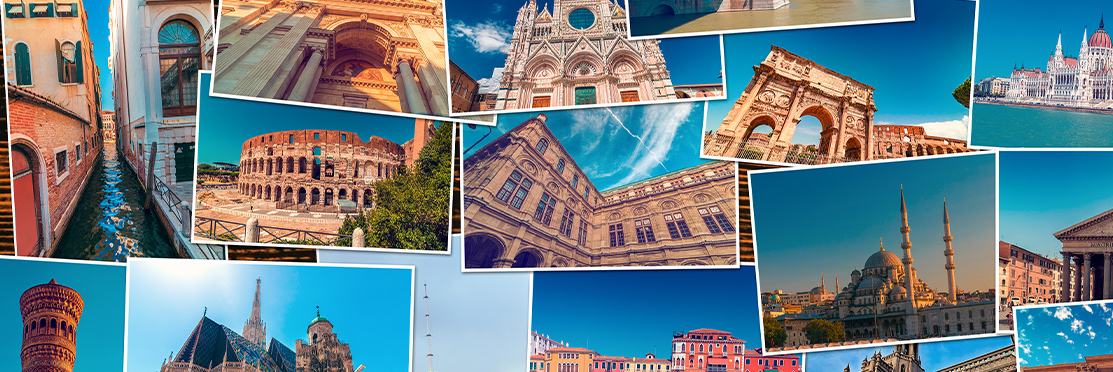
What is Greece known for?
Greece is known for its ancient history, islands, beaches, whitewashed villages, and Mediterranean cuisine. It is especially recognised for Athens, Santorini, Mykonos, the Acropolis, and classical archaeology. The country is also known for mythology, hospitality, and beautiful coastal scenery.
-
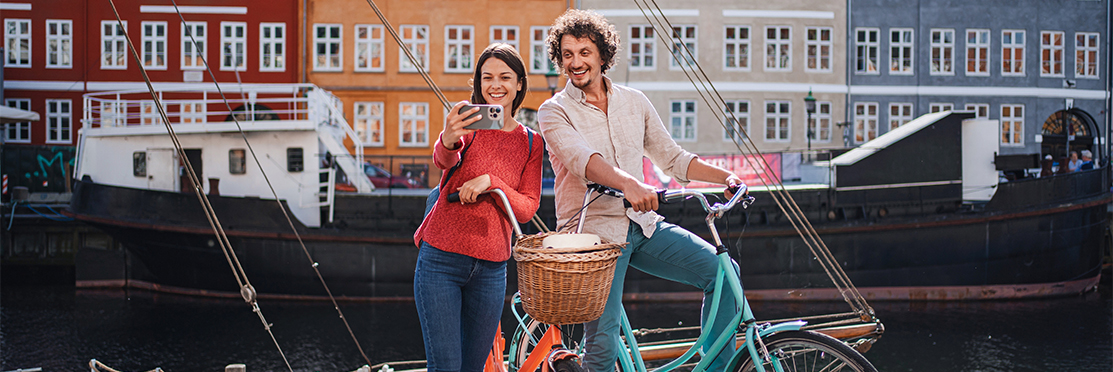
What are the must-see places in Greece?
Must-see places in Greece include Athens, Santorini, Crete, Mykonos, and Meteora. Travellers also visit Rhodes, Naxos, Delphi, Corfu, and Thessaloniki. The Greek islands and major archaeological sites are the country’s biggest draws.
-

How many days do you need in Greece?
Most travellers need 7 to 10 days in Greece to combine Athens with one or two islands. A trip of 10 to 14 days is ideal for a fuller itinerary including mainland highlights such as Meteora or Delphi. Shorter trips work best if focused on either Athens and one island or a single region.
-
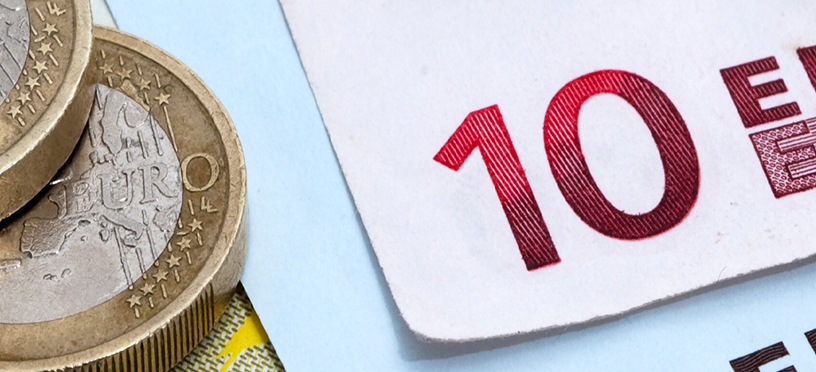
Is Greece expensive to visit?
Greece is generally a mid-range Mediterranean destination, though prices vary widely by island and season. Budget travellers may spend around €50 to €80 per day, while mid-range travellers often spend €110 to €200 per day. Famous islands such as Santorini and Mykonos are usually the most expensive.
-

What is the weather like in Greece?
Greece has a Mediterranean climate, with hot, dry summers and mild, wetter winters. The islands and coast enjoy long beach seasons, while mountain areas inland are cooler and can see snow in winter. Summer temperatures are highest in July and August.
-

What are the top things to do in Greece?
Top things to do in Greece include visiting the Acropolis in Athens, island-hopping in the Cyclades, and exploring sites such as Meteora and Delphi. Many travellers also swim at beaches, take boat trips, enjoy tavernas, and discover villages, monasteries, and archaeological ruins.
-

What food is the Greece famous for?
Greece is famous for moussaka, souvlaki, Greek salad, tzatziki, feta, and baklava. Seafood, grilled meats, olive oil, and meze-style dining are central to Greek food culture. The cuisine is one of the defining parts of the Greek travel experience.
What you need to know when traveling with Ryanair
View all FAQsCan I bring cabin baggage on a Ryanair flight?
Yes, Ryanair allows one small personal bag included with every fare. Larger cabin bags or priority boarding options can be added for an extra fee.
How do I check in for my Ryanair flight?
You can check in online via the Ryanair app or website. Online check-in typically opens 24 hours before departure, or earlier if you’ve purchased a seat.
Can I change my Ryanair flight after booking?
Yes, Ryanair allows flight changes, but fees may apply depending on the fare type and timing of the change.
What happens if my Ryanair flight is delayed or cancelled?
If your flight is disrupted, Ryanair may offer options such as rebooking, refunds, or assistance, depending on the circumstances and applicable regulations.
Can I book airport transfers or car hire with Ryanair?
Yes, when booking with Ryanair, you can add extras such as car hire and airport transfers through partner services like Carhire, making it easier to travel from the aiport to the city or surrounding areas.
What is Priority Boarding and how does it work with Ryanair?
Ryanair Priority Boarding lets you board using the Priority queue and bring two cabin bags on board: one small personal bag and one 10kg cabin bag, subject to availability and fees.