Cheap flights to Karlsruhe
Flights, routes and travel tips
-
Oct 2026 NO FARE
From €-- ---- --
-
Nov 2026 NO FARE
From €-- ---- --
-
Dec 2026 NO FARE
From €-- ---- --
-
Jan 2027 NO FARE
From €-- ---- --
-
Feb 2027 NO FARE
From €-- ---- --
-
Mar 2027 NO FARE
From €-- ---- --
-
Apr 2027 NO FARE
From €-- ---- --
-
May 2027 NO FARE
From €-- ---- --
-
Jun 2027 NO FARE
From €-- ---- --
-
Jul 2027 NO FARE
From €-- ---- --
-
Aug 2027 NO FARE
From €-- ---- --
-
Sep 2027 NO FARE
From €-- ---- --
- What is the cheapest time of year to visit Karlsruhe?
- Karlsruhe experiences mild winters and warm summers, making autumn and winter months (November to March) typically quieter and potentially more economical for visiting. The city is known as one of Germany's warmest and sunniest locations, with average winter temperatures around 2-7°C and summer temperatures reaching 25-28°C. Shoulder seasons (April-May and September-October) offer good weather with fewer crowds than peak summer months (June-August).
- What are the most popular places to visit in Karlsruhe?
- Key attractions in Karlsruhe include the Karlsruhe Palace (Schloss Karlsruhe), a baroque palace at the heart of the city's distinctive fan-shaped street layout; the adjacent Schlossgarten (palace gardens); the Zoological City Garden (Zoologischer Stadtgarten); the State Art Gallery (Staatliche Kunsthalle Karlsruhe); and the historic Durlach district. The city is also home to the Karlsruhe Institute of Technology (KIT) and serves as a cultural hub recognized by UNESCO as a 'City of Media Art'. The picturesque Marktplatz (market square) and Konzerthaus (concert hall) are other notable cultural landmarks.
- How do tourists get around in Karlsruhe?
- Karlsruhe has an extensive public transport system operated by the Karlsruher Verkehrsverbund (KVV), famous for the 'Karlsruhe model' of integrated light rail and bus services. The city is served by modern tram (Straßenbahn) and regional train (S-Bahn) connections that extend throughout the region. A one-way ticket costs approximately €3.30, and monthly passes are available for around €61. The KVV operates frequently with operating hours typically between 5am and midnight. The city is also cyclist-friendly with extensive cycling infrastructure, and taxis are available with standard tariffs starting at approximately €5. The compact city center is walkable for tourists.
- What travel documents do I need to fly to Karlsruhe?
- Travel document requirements for Germany depend on your nationality, residency, and the type of travel. Typically, EU/EEA citizens require a valid passport or national identity card. Citizens from other countries may require a valid passport and potentially a Schengen visa, depending on their nationality and length of stay. Germany is part of the Schengen Area, and visa requirements vary significantly by country. Requirements can change, and specific rules depend on your individual circumstances. Check the latest official guidance before you travel.
- Do I need a car when visiting Karlsruhe?
- No, a car is not necessary when visiting Karlsruhe. The city has an excellent public transport system with integrated trams and buses operated by the KVV, making it easy to navigate without a vehicle. The city center is compact and walkable for most tourist attractions. Karlsruhe is also cyclist-friendly with good cycling infrastructure. The extensive public transport network connects the city center to regional destinations, and the 'Karlsruhe model' is specifically designed to make it easy for visitors and residents to abandon cars in favor of public transport. Taxis and ride-sharing services are also available if needed.
- How long does it take to get from the airport to the main tourist areas of Karlsruhe?
- Karlsruhe is served by Karlsruhe/Baden-Baden Airport (FKC), located approximately 40km south of the city. Transfer times vary depending on the transport option chosen and traffic conditions. Public transport connections, regional trains, and rental car options are available at the airport. The KVV operates rail and bus services connecting the airport region to Karlsruhe's city center and main tourist areas. For precise transfer times, traffic conditions, and specific transport options, it is recommended to check the official airport website (Karlsruhe/Baden-Baden Airport) or the KVV journey planner before traveling.
Travel Tips
-

When is the best time to visit Germany?
The best time to visit Germany is May to September for cities, castles, rivers, and outdoor travel. December is also a standout season for Christmas markets, while winter is good for alpine areas in the south. Spring and early autumn are especially pleasant for sightseeing with fewer crowds than peak summer.
-
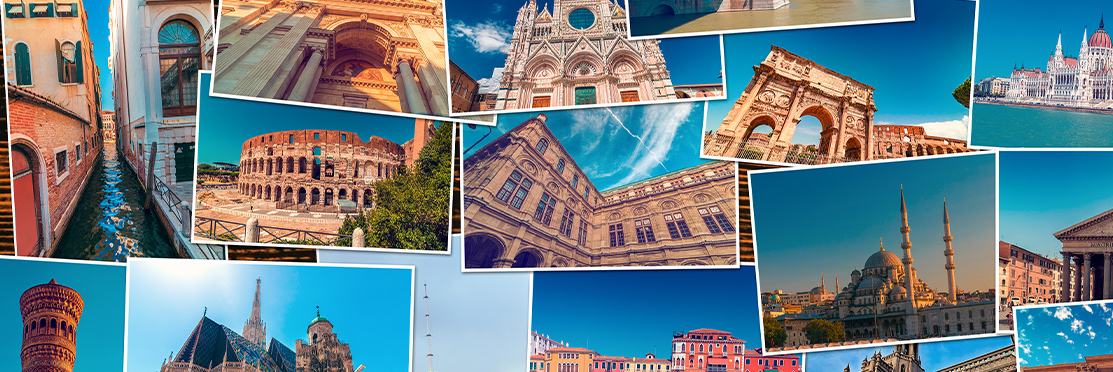
What is Germany known for?
Germany is known for its historic cities, castles, beer culture, forests, and strong cultural heritage. It is especially recognised for Berlin, Bavaria, the Rhine, Christmas markets, and world-famous engineering. The country is also known for museums, fairytale routes, and regional traditions.
-
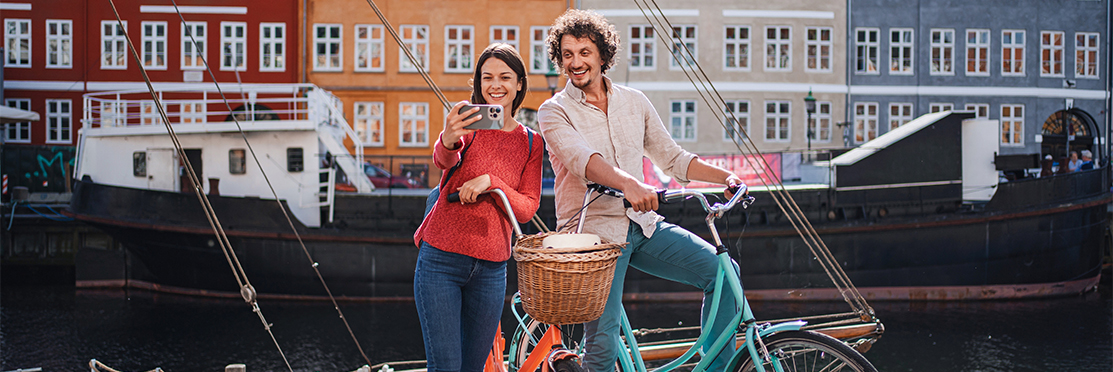
What are the must-see places in Germany?
Must-see places in Germany include Berlin, Munich, Neuschwanstein Castle, the Rhine Valley, and Hamburg. Travellers also visit Cologne, Dresden, the Black Forest, Heidelberg, and Bavaria’s alpine towns. Berlin is the main choice for history and contemporary culture.
-
How many days do you need in Germany?
Most travellers need 7 to 10 days in Germany to combine Berlin or Munich with a few regional highlights. A trip of 10 to 14 days allows time for castles, river valleys, and multiple cities. Germany’s size means shorter trips are best focused on one or two regions.
-
Is Germany expensive to visit?
Germany is generally a mid-range Western European destination. Budget travellers may spend around €65 to €95 per day, while mid-range travellers often spend €130 to €220 per day. Costs are usually highest in Munich, Frankfurt, and during major festivals or Christmas markets.
-

What is the weather like in Germany?
Germany has a temperate seasonal climate, with warm summers and cold winters. Northern areas are generally cooler and more maritime, while the south can be warmer in summer and snowier in winter. Weather is usually suitable for year-round city travel, with seasonal variation by region.
-
What are the top things to do in Germany?
Top things to do in Germany include visiting Berlin’s historic sites, seeing Neuschwanstein Castle, and exploring Munich and Bavaria. Many travellers also enjoy Rhine cruises, Christmas markets, museum visits, beer halls, and scenic road trips through forests and mountain regions.
-

What food is the Germany famous for?
Germany is famous for sausages, pretzels, schnitzel, sauerkraut, and Black Forest cake. Regional dishes vary widely, with hearty meat dishes in Bavaria, seafood in the north, and strong bread and beer traditions nationwide. Beer culture is one of Germany’s best-known culinary associations.
What you need to know when traveling with Ryanair
View all FAQsCan I bring cabin baggage on a Ryanair flight?
Yes, Ryanair allows one small personal bag included with every fare. Larger cabin bags or priority boarding options can be added for an extra fee.
How do I check in for my Ryanair flight?
You can check in online via the Ryanair app or website. Online check-in typically opens 24 hours before departure, or earlier if you’ve purchased a seat.
Can I change my Ryanair flight after booking?
Yes, Ryanair allows flight changes, but fees may apply depending on the fare type and timing of the change.
What happens if my Ryanair flight is delayed or cancelled?
If your flight is disrupted, Ryanair may offer options such as rebooking, refunds, or assistance, depending on the circumstances and applicable regulations.
Can I book airport transfers or car hire with Ryanair?
Yes, when booking with Ryanair, you can add extras such as car hire and airport transfers through partner services like Carhire, making it easier to travel from the aiport to the city or surrounding areas.
What is Priority Boarding and how does it work with Ryanair?
Ryanair Priority Boarding lets you board using the Priority queue and bring two cabin bags on board: one small personal bag and one 10kg cabin bag, subject to availability and fees.