Cheap flights to Palanga
Flights, routes and travel tips
-
Oct 2026 NO FARE
From €-- ---- --
-
Nov 2026 NO FARE
From €-- ---- --
-
Dec 2026 NO FARE
From €-- ---- --
-
Jan 2027 NO FARE
From €-- ---- --
-
Feb 2027 NO FARE
From €-- ---- --
-
Mar 2027 NO FARE
From €-- ---- --
-
Apr 2027 NO FARE
From €-- ---- --
-
May 2027 NO FARE
From €-- ---- --
-
Jun 2027 NO FARE
From €-- ---- --
-
Jul 2027 NO FARE
From €-- ---- --
-
Aug 2027 NO FARE
From €-- ---- --
-
Sep 2027 NO FARE
From €-- ---- --
- What is the cheapest time of year to visit Palanga?
- The cheapest time to visit Palanga is typically during the off-season months of October through April, when accommodation rates are lower and the resort destination sees fewer tourists. The summer months (June-August) are peak season with higher prices, while shoulder seasons (May and September) offer moderate pricing with pleasant weather.
- What are the most popular places to visit in Palanga?
- Popular attractions in Palanga include the Palanga Amber Museum (housed in the Tiškevičiai Palace, established in 1963), the Palanga Pier (a 470-metre structure extending into the Baltic Sea), the sandy beaches (18 km long and up to 300 metres wide), Birutė Hill (associated with Lithuanian legend), and Jono Basanavičiaus Street with its historic villas and promenade.
- How do tourists get around in Palanga?
- Palanga is a compact resort city where tourists can navigate by walking, especially along the main promenade and beach areas. Local buses connect Palanga with nearby Klaipėda (32 km away) and other settlements. Palanga International Airport (7 km away) serves the area with connections to major European destinations including London, Riga, Amsterdam, Oslo, Copenhagen, and Bergen.
- What travel documents do I need to fly to Palanga?
- Lithuania is part of the Schengen Area and the European Union. Entry requirements depend on your nationality, residency, and document type. Typically, EU/EEA citizens need a valid national ID or passport. Non-EU/EEA citizens may require a Schengen visa depending on their nationality. Requirements can change, and procedures such as the Entry/Exit System (EES) for Schengen travel may apply. Check the latest official guidance before you travel.
- Do I need a car when visiting Palanga?
- A car is not essential for visiting Palanga. The city is compact and walkable, with most attractions accessible on foot along the promenade and beaches. Public buses connect to nearby Klaipėda and other areas. Palanga International Airport has road connections via Highway A13 to the city and regional destinations, with public transport and shuttle services available.
- How long does it take to get from the airport to the main tourist areas of Palanga?
- Palanga International Airport is located approximately 7 km from Palanga city centre. Transfer times vary depending on your destination, traffic conditions, and transport option chosen. Public buses link the airport with Palanga and Klaipėda coach stations. Shuttle services and taxis are also available. For specific transfer times and the latest local transport information, check with Palanga International Airport or local transport operators.
Travel Tips
-

When is the best time to visit Lithuania?
The best time to visit Lithuania is May to September, when the weather is mild and cities, lakes, and coastal areas are easiest to enjoy. Summer is ideal for Vilnius, Kaunas, and the Curonian Spit, while winter is quieter and colder. Late spring and early autumn are good for sightseeing without peak summer crowds.
-
What is Lithuania known for?
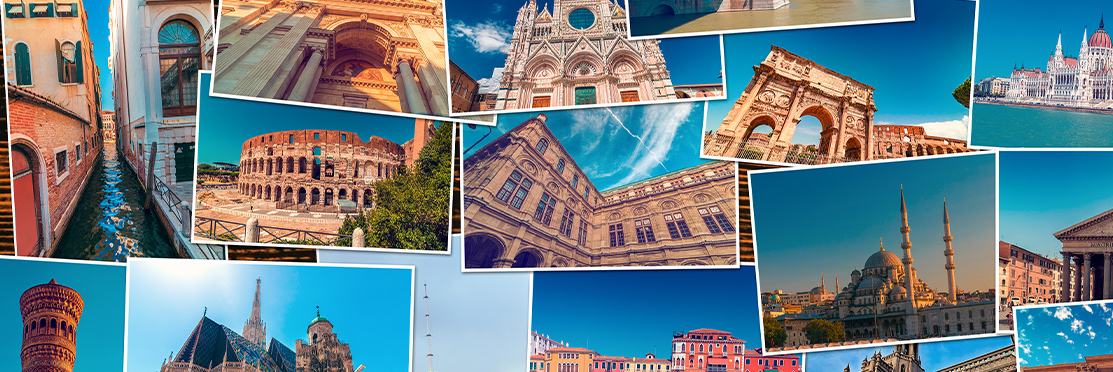
Lithuania is known for its baroque old towns, lakes, forests, and Baltic heritage. It is especially recognised for Vilnius, the Curonian Spit, Hill of Crosses, and a strong sense of national identity and history. The country is also known for peaceful nature and easy city breaks.
-
What are the must-see places in Lithuania?
Must-see places in Lithuania include Vilnius, Kaunas, the Curonian Spit, Trakai Castle, and Klaipėda. Travellers also visit Hill of Crosses and the country’s lakes and national parks. Vilnius is the cultural heart of Lithuania and the main starting point for most trips.
-

How many days do you need in Lithuania?
Most travellers need 3 to 5 days in Lithuania for Vilnius and one or two major highlights. A trip of 6 to 8 days allows time for Kaunas, Trakai, and the Curonian Spit. Lithuania is easy to include as part of a wider Baltic itinerary.
-
Is Lithuania expensive to visit?
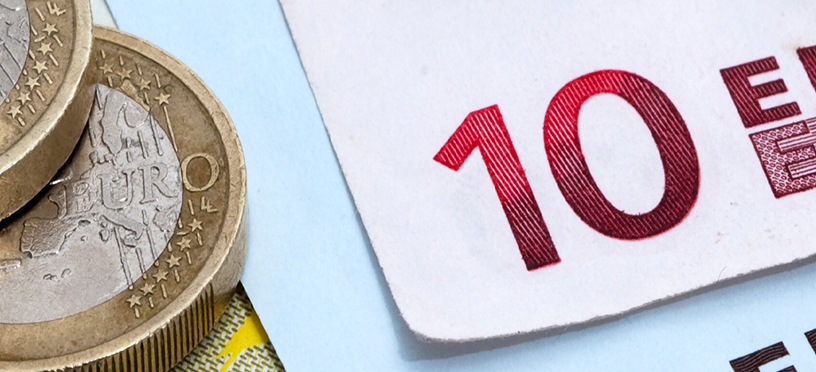
Lithuania is usually a good-value European destination. Budget travellers may spend around €45 to €70 per day, while mid-range travellers often spend €90 to €150 per day. Vilnius is the most expensive area, but Lithuania is generally affordable compared with many Western and Northern European countries.
-

What is the weather like in Lithuania?
Lithuania has a continental-Baltic climate, with mild to warm summers and cold winters. Seasonal change is clear, with green summers and snowy or frosty winter periods. Summer is the easiest time for city sightseeing and coastal travel.
-

What are the top things to do in Lithuania?
Top things to do in Lithuania include exploring Vilnius old town, visiting Trakai Castle, and heading to the Curonian Spit for dunes and coastal scenery. Many travellers also enjoy Kaunas, religious heritage sites, and peaceful lake and forest landscapes.
-

What food is the Lithuania famous for?
Lithuania is famous for cepelinai, cold beet soup, potato pancakes, and rye bread. Traditional cuisine is hearty and often features potatoes, pork, mushrooms, dairy, and pickled ingredients. Lithuanian food reflects the country’s rural history and seasonal climate.
What you need to know when traveling with Ryanair
View all FAQsCan I bring cabin baggage on a Ryanair flight?
Yes, Ryanair allows one small personal bag included with every fare. Larger cabin bags or priority boarding options can be added for an extra fee.
How do I check in for my Ryanair flight?
You can check in online via the Ryanair app or website. Online check-in typically opens 24 hours before departure, or earlier if you’ve purchased a seat.
Can I change my Ryanair flight after booking?
Yes, Ryanair allows flight changes, but fees may apply depending on the fare type and timing of the change.
What happens if my Ryanair flight is delayed or cancelled?
If your flight is disrupted, Ryanair may offer options such as rebooking, refunds, or assistance, depending on the circumstances and applicable regulations.
Can I book airport transfers or car hire with Ryanair?
Yes, when booking with Ryanair, you can add extras such as car hire and airport transfers through partner services like Carhire, making it easier to travel from the aiport to the city or surrounding areas.
What is Priority Boarding and how does it work with Ryanair?
Ryanair Priority Boarding lets you board using the Priority queue and bring two cabin bags on board: one small personal bag and one 10kg cabin bag, subject to availability and fees.