Cheap flights to Rijeka
Flights, routes and travel tips
-
Oct 2026 NO FARE
From €-- ---- --
-
Nov 2026 NO FARE
From €-- ---- --
-
Dec 2026 NO FARE
From €-- ---- --
-
Jan 2027 NO FARE
From €-- ---- --
-
Feb 2027 NO FARE
From €-- ---- --
-
Mar 2027 NO FARE
From €-- ---- --
-
Apr 2027 NO FARE
From €-- ---- --
-
May 2027 NO FARE
From €-- ---- --
-
Jun 2027 NO FARE
From €-- ---- --
-
Jul 2027 NO FARE
From €-- ---- --
-
Aug 2027 NO FARE
From €-- ---- --
-
Sep 2027 NO FARE
From €-- ---- --
- What is the cheapest time of year to visit Rijeka?
- The cheapest time to visit Rijeka is typically during the winter months (November to March) and early spring, when tourist crowds are lower and accommodation prices drop. The summer season (July-August) is peak tourist time with higher prices. According to climate data from Wikitravel, October experiences significant rainfall (20.39 cm), so shoulder seasons like April-May and September-October offer good value with pleasant weather before or after peak summer.
- What are the most popular places to visit in Rijeka?
- Popular attractions include Trsat Castle (a medieval fortress overlooking the city), the City Clock Tower (the symbol of Rijeka on Korzo promenade), Rijeka's main market Placa, the Art Neighbourhood cultural hub featuring the Museum of Modern and Contemporary Art and City Museum, the Croatian National Theatre Ivan pl. Zajc, St. Vitus Cathedral, and the waterfront Riva promenade. The nearby island of Krk and the coastal town of Opatija (20 minutes by bus) are also popular day trips.
- How do tourists get around in Rijeka?
- Rijeka is highly walkable, with most attractions accessible on foot. An efficient local bus network operates with circular routes around the city centre and extensions in all directions. Taxis are available and affordable (approximately €10 or less for city trips). Bike rental services are available through providers like Ricikleta e-bike sharing. For those less mobile, buses #2 and #8 serve Trsat and are useful alternatives to climbing the 561 steps to the castle. Public transport tickets are purchased at kiosks and validated on the bus.
- What travel documents do I need to fly to Rijeka?
- Travel document requirements depend on your nationality, residency, and document type. Rijeka is located in Croatia, which is part of the European Union and Schengen Area. Citizens of EU/EEA countries and many other nationalities may enter visa-free for tourism, while others may require advance visas. Passport validity requirements and specific entry conditions vary by country of origin. Requirements can change and are subject to Croatian and EU immigration regulations. Check the latest official guidance before you travel.
- Do I need a car when visiting Rijeka?
- No, a car is not necessary to visit Rijeka. The city is compact and highly walkable, with traffic banned on Korzo in the city centre. An efficient public bus network serves all areas, and taxis are affordable and readily available. For exploring nearby destinations like Opatija or Krk island, public buses provide regular service (bus #32 goes to Opatija). Car rental is available if desired for longer regional trips, but it is not required for enjoying the main attractions and city experience.
- How long does it take to get from the airport to the main tourist areas of Rijeka?
- Rijeka Airport is located on the island of Krk, approximately 17 km (35 km by road) from Rijeka city centre and the railway station. A dedicated bus shuttle service operates from the airport to Rijeka in connection with flight arrivals and departures. The shuttle requires advance booking 24 hours prior to travel. Transfer times vary depending on the chosen transport option (bus shuttle, taxi, or rental car) and traffic conditions. For current airport transport schedules and estimated journey times, it is recommended to check with Rijeka Airport or local transport providers directly before travel.
Travel Tips
-

When is the best time to visit Croatia?
The best time to visit Croatia is May to June and September to October, when the weather is warm, the sea is pleasant, and crowds are lighter than in peak summer. July and August are best for beaches and islands but are busier and more expensive. Spring and early autumn are ideal for combining cities, coast, and national parks.
-
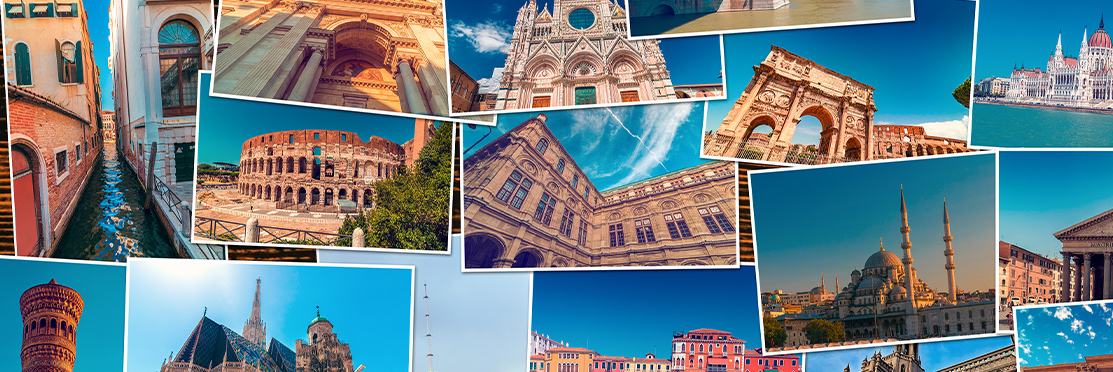
What is Croatia known for?
Croatia is known for its Adriatic coastline, historic walled cities, islands, and national parks. It is especially recognised for Dubrovnik, Split, Hvar, Plitvice Lakes, and its clear turquoise sea. The country is also known for Roman heritage, sailing, and Mediterranean cuisine.
-
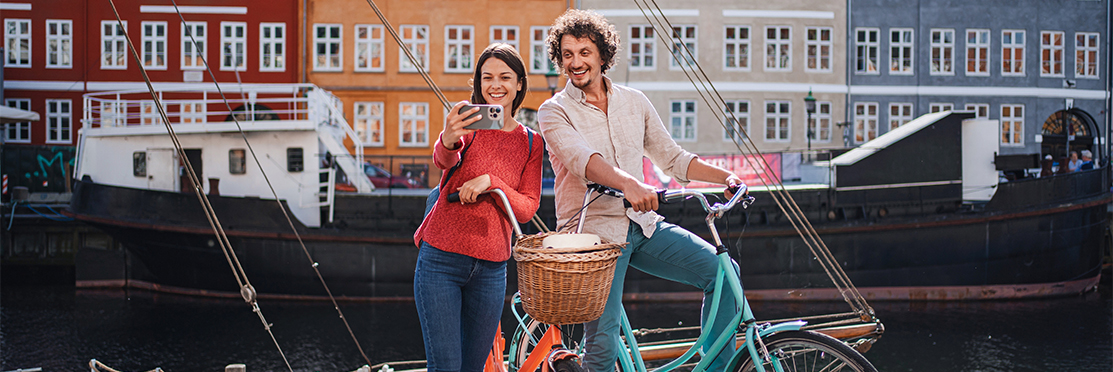
What are the must-see places in Croatia?
Must-see places in Croatia include Dubrovnik, Split, Plitvice Lakes National Park, Hvar, and Rovinj. Many travellers also visit Zadar, Korčula, Krka National Park, and Zagreb. Island-hopping along the Dalmatian Coast is one of Croatia’s classic travel experiences.
-

How many days do you need in Croatia?
Most travellers need 7 to 10 days in Croatia to combine a few coastal cities, islands, and a national park. A trip of 10 to 14 days is ideal for a broader route including Dubrovnik, Split, Istria, and inland highlights. Shorter trips of 4 to 5 days work well for one region only.
-
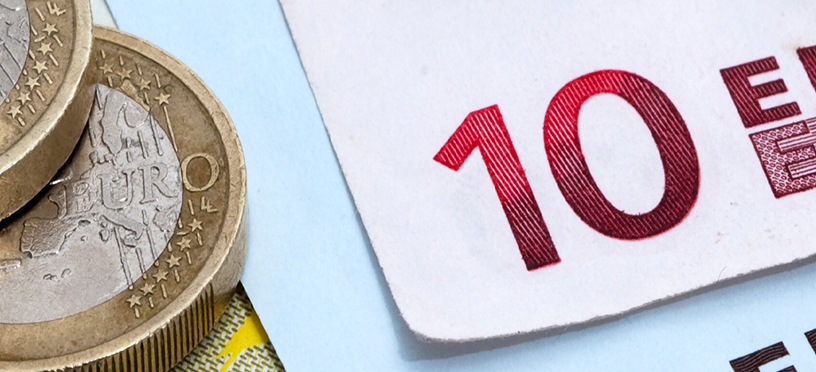
Is Croatia expensive to visit?
Croatia is generally a mid-range Mediterranean destination, though prices rise sharply in popular coastal areas during summer. Budget travellers may spend around €60 to €90 per day, while mid-range travellers often spend €120 to €220 per day. Dubrovnik, Hvar, and peak-season islands are usually the most expensive.
-
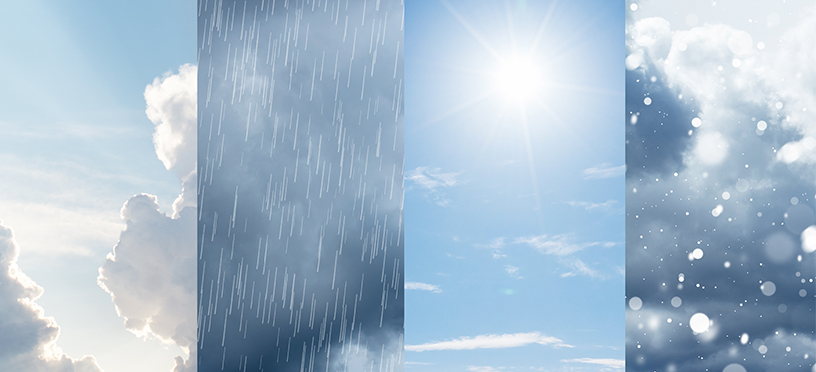
What is the weather like in Croatia?
Croatia has a Mediterranean climate on the coast, with hot, dry summers and mild winters, while inland regions have a more continental climate. Summer temperatures along the Adriatic are ideal for swimming and sailing. Inland cities such as Zagreb are cooler in winter and can be much colder than the coast.
-
What are the top things to do in Croatia?
Top things to do in Croatia include walking Dubrovnik’s city walls, exploring Split’s Diocletian’s Palace, and visiting Plitvice Lakes. Many travellers also go island-hopping, swim in the Adriatic, discover Roman and Venetian heritage, and enjoy sailing, seafood, and coastal old towns.
-

What food is the Croatia famous for?
Croatia is famous for fresh seafood, black risotto, peka, cevapi, and truffle dishes, especially in Istria. Regional cuisine varies, with Mediterranean flavours on the coast and heartier meat and pastry dishes inland. Olive oil, local wine, and grilled fish are central to many Croatian meals.
What you need to know when traveling with Ryanair
View all FAQsCan I bring cabin baggage on a Ryanair flight?
Yes, Ryanair allows one small personal bag included with every fare. Larger cabin bags or priority boarding options can be added for an extra fee.
How do I check in for my Ryanair flight?
You can check in online via the Ryanair app or website. Online check-in typically opens 24 hours before departure, or earlier if you’ve purchased a seat.
Can I change my Ryanair flight after booking?
Yes, Ryanair allows flight changes, but fees may apply depending on the fare type and timing of the change.
What happens if my Ryanair flight is delayed or cancelled?
If your flight is disrupted, Ryanair may offer options such as rebooking, refunds, or assistance, depending on the circumstances and applicable regulations.
Can I book airport transfers or car hire with Ryanair?
Yes, when booking with Ryanair, you can add extras such as car hire and airport transfers through partner services like Carhire, making it easier to travel from the aiport to the city or surrounding areas.
What is Priority Boarding and how does it work with Ryanair?
Ryanair Priority Boarding lets you board using the Priority queue and bring two cabin bags on board: one small personal bag and one 10kg cabin bag, subject to availability and fees.