Cheap flights to Corsica
Flights, routes and travel tips
-
Nov 2026 NO FARE
from €-- ---- --
-
Dec 2026 NO FARE
from €-- ---- --
-
Jan 2027 NO FARE
from €-- ---- --
-
Feb 2027 NO FARE
from €-- ---- --
-
Mar 2027 NO FARE
from €-- ---- --
-
Apr 2027 NO FARE
from €-- ---- --
-
May 2027 NO FARE
from €-- ---- --
-
Jun 2027 NO FARE
from €-- ---- --
-
Jul 2027 NO FARE
from €-- ---- --
-
Aug 2027 NO FARE
from €-- ---- --
-
Sep 2027 NO FARE
from €-- ---- --
-
Oct 2027 NO FARE
from €-- ---- --
- What is the cheapest time of year to visit Corsica ?
- Winter, from November to March, is generally the most economical and quietest time to visit Corsica, with the lowest prices for transport and accommodation. Many hotels and restaurants close during these months, so check opening times before you book. Spring (April to June) and autumn (September and October) offer a good balance of mild weather, fewer visitors and more reasonable prices. July and August are the peak season, with the highest prices and the most crowded beaches and roads.
- What are the most popular places to visit in Corsica ?
- Popular places in Corsica include the beaches of Palombaggia, Rondinara, Saleccia and Santa Giulia in the south and north-east, the historic citadel of Bonifacio in the far south, the Agriates Desert near Saleccia, and the town of Calvi on the north-west coast. The vineyards of Patrimonio on the north-east coast and the Napoleonic heritage of Ajaccio, Napoleon's birthplace, are also well known. Inland, the mountain walking routes such as the GR20 and the Alta Rocca area attract hikers. Porto-Vecchio, on the east coast, is a common base for exploring the south of the island.
- How do tourists get around in Corsica ?
- Most visitors travel around Corsica by car, which gives the most flexibility, especially for beaches, villages and mountain roads. Coach services connect the main towns, including routes from Porto-Vecchio to Bastia, Ajaccio and Bonifacio, and timetables change through the year. Corsica's narrow-gauge railway, known as U Trinichellu, runs between Ajaccio and Bastia through villages and mountains, but tickets can only be bought at stations and it does not serve the south. Ferries link Corsica with the mainland and Italy. Check current timetables with the transport operators before you travel.
- What travel documents do I need to fly to Corsica ?
- Travel document requirements depend on your nationality, residency and the type of document you hold, and they can change. Check the latest official guidance for your own situation with your airline and the official government travel-advice service for your country before you travel. Check the latest official guidance before you travel.
- Do I need a car when visiting Corsica ?
- A car is strongly recommended for most visitors to Corsica. Public transport is limited outside the main towns, and the island's southern areas have no railway. A car gives you access to the beaches, villages, inland areas and mountain routes at your own pace. In Bastia or Ajaccio you may manage without one for city sightseeing, but roads outside the towns can be slow, especially in high season. Book a rental car in advance during the summer months.
- How long does it take to get from the airport to the main tourist areas of Corsica ?
- Bastia-Poretta Airport (BIA): Bastia city centre is about 20 km away, roughly 25 to 35 minutes by car or taxi. The STIB shuttle bus to Bastia takes about 30 minutes and costs €10. Journey times to Saint-Florent, Moriani and Corte are longer, and journeys to Cap Corse take considerably longer on winding roads. Figari Sud-Corse Airport (FSC): Porto-Vecchio is about 22 to 23 km away, roughly 25 to 30 minutes by car. Bonifacio is about 21 km away, roughly 25 minutes by car. There is no direct bus to Bonifacio, so you would need to connect through Porto-Vecchio or use a taxi or hire car. Journey times vary depending on traffic, the season and the transport option you choose, so check official airport or local transport information before you travel.
What are the most popular routes to Corsica?
| From | To | Flight type | Departure date | Price |
|---|---|---|---|---|
| Charleroi CRL | Figari FSC | One way | Mon 04 Oct | €36.99 |
| Paris Beauvais BVA | Figari FSC | One way | Thu 21 Oct | €45.99 |
Travel Tips
-

When is the best time to visit Corsica?
The official Visit Corsica site recommends September to All Saints' holiday (early November), when the island is less hot and less crowded than in peak summer. October and November are noted as ideal for mountain outdoor activities. Climate data shows May to October as the warmest period, with highs of about 20 to 27 °C.
-
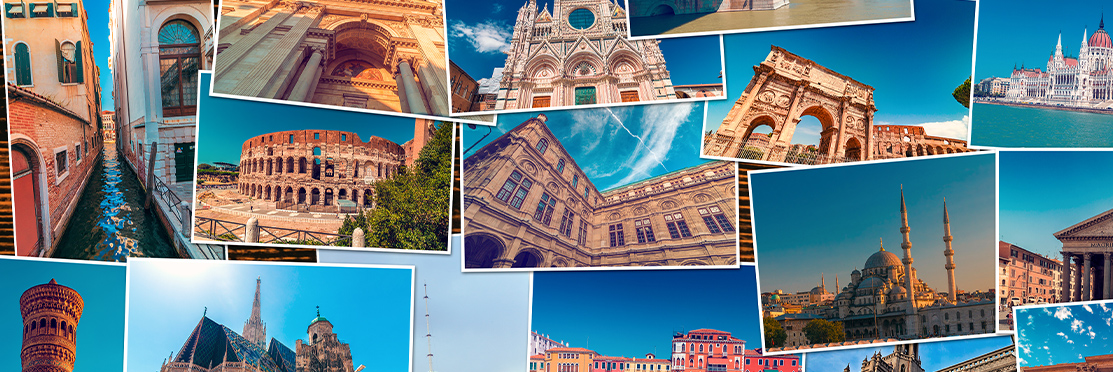
What is Corsica known for?
Corsica is known for its wide range of landscapes, from beaches and mountains to maquis scrubland, along with its natural and cultural heritage. Official tourism sources describe it as the Island of Beauty, with nature activities, beaches, heritage and rich traditions. It is also the birthplace of Napoleon Bonaparte.
-
What are the must see places in Corsica?
Official and established guides highlight Bonifacio and its fortress, Ajaccio with the Maison Bonaparte and Palais Fesch museum, the Gulf of Porto's Calanques de Piana, and the Saint-Florent and Tamarone beaches. Bastia's Palais des Gouverneurs and the Museum of Corsica in Corte are also listed as key museums.
-
How many days do you need in Corsica?
The official Visit Corsica site states that the GR20 long-distance trail (about 180 km) can be completed in 16 days, averaging 7 hours of walking per day. For a general visit, the official sources do not give a recommended length, so the number of days depends on which areas you want to cover.
-
Is it expensive to visit Corsica?
Corsica is not a cheap destination and is more expensive than mainland France, especially in peak season. Costs fall by about 30 to 50% in the shoulder seasons. Accommodation is the largest expense, and budgeting is easier if you camp, self-cater or travel outside summer.
-

What is the weather like in Corsica?
Corsica has a Mediterranean climate with hot, dry summers and mild, wetter winters. Most rain falls in the winter half of the year, with November the wettest month. July is the hottest month, with coastal highs of about 27 °C in long-term averages, and the mountains are cooler.
-
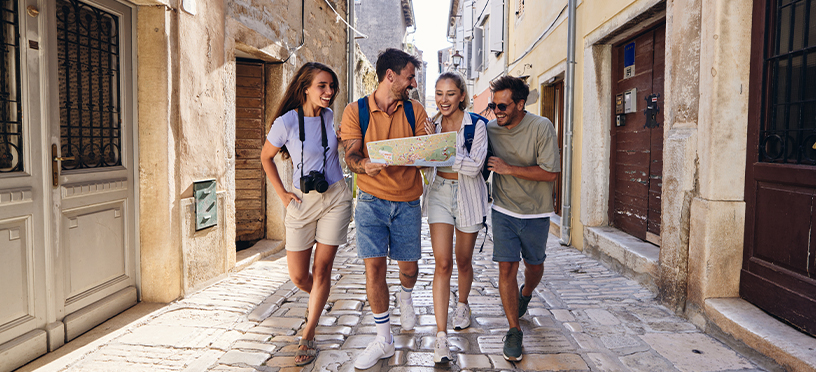
What are the top things to do in Corsica?
The official Visit Corsica site highlights hiking, especially the GR20, as well as the Mare a Mare and Mare Monti trails, cycling routes including the GT20, and activities such as via ferrata and zip-lining. Other highlights include the beaches, the island's towns and museums, and prehistoric sites such as Filitosa.
-

What food is Corsica famous for?
Corsica is known for its charcuterie, which has had an AOC label since 2012, and for brocciu, a sheep's milk cheese with AOC status since 1998. Other typical foods include chestnut flour, olive oil and fiadone, a brocciu and lemon cake. Brocciu is made from December to June.
What you need to know when traveling with Ryanair
View all FAQsCan I bring cabin baggage on a Ryanair flight?
Yes, Ryanair allows one small personal bag included with every fare. Larger cabin bags or priority boarding options can be added for an extra fee.
How do I check in for my Ryanair flight?
You can check in online via the Ryanair app or website. Online check-in typically opens 24 hours before departure, or earlier if you’ve purchased a seat.
Can I change my Ryanair flight after booking?
Yes, Ryanair allows flight changes, but fees may apply depending on the fare type and timing of the change.
What happens if my Ryanair flight is delayed or cancelled?
If your flight is disrupted, Ryanair may offer options such as rebooking, refunds, or assistance, depending on the circumstances and applicable regulations.
Can I book airport transfers or car hire with Ryanair?
Yes, when booking with Ryanair, you can add extras such as car hire and airport transfers through partner services like Carhire, making it easier to travel from the aiport to the city or surrounding areas.
What is Priority Boarding and how does it work with Ryanair?
Ryanair Priority Boarding lets you board using the Priority queue and bring two cabin bags on board: one small personal bag and one 10kg cabin bag, subject to availability and fees.