Cheap flights to Portugal
Flights, routes and travel tips
-
Nov 2026 NO FARE
from €-- ---- --
-
Dec 2026 NO FARE
from €-- ---- --
-
Jan 2027 NO FARE
from €-- ---- --
-
Feb 2027 NO FARE
from €-- ---- --
-
Mar 2027 NO FARE
from €-- ---- --
-
Apr 2027 NO FARE
from €-- ---- --
-
May 2027 NO FARE
from €-- ---- --
-
Jun 2027 NO FARE
from €-- ---- --
-
Jul 2027 NO FARE
from €-- ---- --
-
Aug 2027 NO FARE
from €-- ---- --
-
Sep 2027 NO FARE
from €-- ---- --
-
Oct 2027 NO FARE
from €-- ---- --
- What is the cheapest time of year to visit Portugal ?
- The cheapest time to visit Portugal is generally the shoulder or low season, outside the peak summer months of July and August, when flight and accommodation prices are usually lower. Check current fares and the monthly climate information before you book, as prices and weather vary by region.
- What are the most popular places to visit in Portugal ?
- The main tourist areas served by Portugal's airports are Lisbon, Porto, the Algarve (served by Faro Airport) and Madeira (served by Funchal Airport). Many visitors combine these areas to experience historic cities, coastal scenery and island landscapes.
- How do tourists get around in Portugal ?
- Tourists in Portugal use a mix of options, including trains, long-distance coaches, city metro and buses, taxis, domestic flights and rental cars, depending on the route. Options and timetables vary by region, so check current schedules and tickets with the official transport operators before you travel.
- What travel documents do I need to fly to Portugal ?
- You will need a valid travel document to enter Portugal. Requirements depend on your nationality, residency and the type of document you hold, and they can change. Check the latest official guidance before you travel.
- Do I need a car when visiting Portugal ?
- Whether you need a car depends on your itinerary. In Lisbon and Porto, public transport and walkable historic centres mean a car is often unnecessary. A car offers more flexibility for travelling between regions and reaching rural or coastal areas, including the Algarve and Madeira. Check parking and rental options before you travel.
- How long does it take to get from the airport to the main tourist areas of Portugal ?
- Transfer times vary depending on destination, traffic and transport option. Lisbon Airport (LIS) serves Lisbon, Porto Airport (OPO) serves Porto, Faro Airport (FAO) serves the Algarve, and Funchal Airport (FNC) serves Madeira. Check the official ANA information for each airport for current ground transport options and recommended journey times.
Travel Tips
-

When is the best time to visit Portugal
Spring and autumn offer the best combination of good weather, long days and cultural activities, with fewer crowds than summer. Coastal resorts such as Nazaré and the Algarve are most crowded and expensive in July and August. Shoulder season, from mid-May to June and in October, is often a good balance. Winter has shorter opening hours at many sights, though Christmas and Carnival are big events.
-
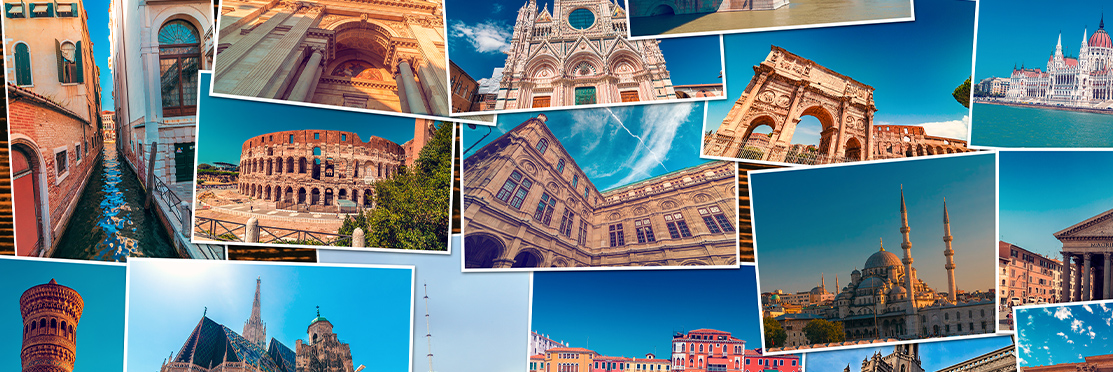
What is Portugal known for ?
Portugal is known for its UNESCO World Heritage Sites, which include historic city centres, monasteries, palaces, the Alto Douro Wine Region and the Laurisilva of Madeira. It is also known for its wine, cuisine and Atlantic coastline.
-
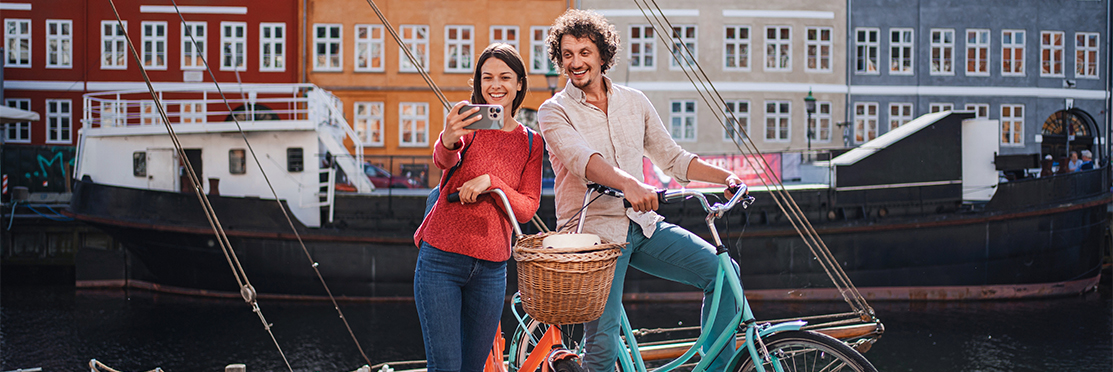
What are the must-see places in Portugal ?
Must-see places include the Monastery of the Hieronymites and Tower of Belém in Lisbon, the Historic Centre of Oporto with the Luiz I Bridge, the Cultural Landscape of Sintra, the Convent of Christ in Tomar, the Monastery of Batalha, the Monastery of Alcobaça and the Historic Centre of Évora. These are all UNESCO World Heritage Sites.
-

How many days do you need in Portugal ?
Rick Steves suggests 3 days for Lisbon and Sintra, 8 days to add Coimbra, 12 days to add Porto, and 14 days to add Évora and the Douro Valley. Six days allow a short Algarve addition. Longer trips allow more slow travel.
-
Is Portugal expensive to visit ?
Costs depend on the season and location. Summer is the most expensive period in coastal areas, where rates rise sharply in July and August, so booking ahead is advisable. Visiting in shoulder season or in winter usually costs less for accommodation.
-

What is the weather like in Portugal ?
Most of mainland Portugal has a temperate climate with dry summers. The interior and southern regions have warm, dry summers, while the north has mild, drier summers. Portugal is not as hot as Spain, except in the Alentejo region. An air-conditioned room is worth having in summer.
-

What are the top things to do in Portugal ?
Popular activities include visiting historic cities and monuments, enjoying art and culture, outdoor activities and nature, and gastronomy and wine experiences. In Lisbon, June festivals are a highlight, and Porto celebrates St. John's Day on 23 and 24 June. Pilgrimages to Fátima take place on 13 May and 13 October.
-

What food is the Portugal famous for ?
Portugal is famous for seafood, grilled fish and fresh produce, reflecting its coastline. Well-known dishes include caldo verde, bacalhau (salt cod) and pastel de nata, a custard tart. Pastel de nata was among the seven wonders of Portuguese gastronomy chosen in a 2011 public vote.
What you need to know when traveling with Ryanair
View all FAQsCan I bring cabin baggage on a Ryanair flight?
Yes, Ryanair allows one small personal bag included with every fare. Larger cabin bags or priority boarding options can be added for an extra fee.
How do I check in for my Ryanair flight?
You can check in online via the Ryanair app or website. Online check-in typically opens 24 hours before departure, or earlier if you’ve purchased a seat.
Can I change my Ryanair flight after booking?
Yes, Ryanair allows flight changes, but fees may apply depending on the fare type and timing of the change.
What happens if my Ryanair flight is delayed or cancelled?
If your flight is disrupted, Ryanair may offer options such as rebooking, refunds, or assistance, depending on the circumstances and applicable regulations.
Can I book airport transfers or car hire with Ryanair?
Yes, when booking with Ryanair, you can add extras such as car hire and airport transfers through partner services like Carhire, making it easier to travel from the aiport to the city or surrounding areas.
What is Priority Boarding and how does it work with Ryanair?
Ryanair Priority Boarding lets you board using the Priority queue and bring two cabin bags on board: one small personal bag and one 10kg cabin bag, subject to availability and fees.