Cheap flights to Switzerland
Flights, routes and travel tips
-
Nov 2026 NO FARE
from €-- ---- --
-
Dec 2026 NO FARE
from €-- ---- --
-
Jan 2027 NO FARE
from €-- ---- --
-
Feb 2027 NO FARE
from €-- ---- --
-
Mar 2027 NO FARE
from €-- ---- --
-
Apr 2027 NO FARE
from €-- ---- --
-
May 2027 NO FARE
from €-- ---- --
-
Jun 2027 NO FARE
from €-- ---- --
-
Jul 2027 NO FARE
from €-- ---- --
-
Aug 2027 NO FARE
from €-- ---- --
-
Sep 2027 NO FARE
from €-- ---- --
-
Oct 2027 NO FARE
from €-- ---- --
- What is the cheapest time of year to visit Switzerland ?
- Prices for flights, accommodation and transport in Switzerland vary by region, season and booking date. Compare dates on official tourism and transport sites, and book ahead to find the best fares.
- What are the most popular places to visit in Switzerland ?
- Switzerland's most popular destinations combine historic old towns with lakes and mountains. Official tourism sources highlight the cities of Zurich, Geneva, Basel, Lucerne, Bern, Lausanne, Lugano and Chur. Zermatt is also a major destination, known for the Matterhorn and as a car-free resort. Visitors can also take scenic train routes, such as the Grand Train Tour of Switzerland, which runs year-round.
- How do tourists get around in Switzerland ?
- Tourists in Switzerland commonly travel by train, bus and boat, and mountain journeys often use cogwheel trains, cable cars and funiculars. Scenic panoramic trains operate year-round on routes such as the Grand Train Tour of Switzerland. Car rental is also available for travel between regions. Some resorts, such as Zermatt, are car-free, so visitors should plan on public transport or other non-car options there. Check official public transport information for tickets and timetables.
- What travel documents do I need to fly to Switzerland ?
- Entry requirements depend on your nationality, residency and the type of travel document you hold, and they can change. Check the official Swiss entry requirements for your nationality before you book and before you travel. Check the latest official guidance before you travel.
- Do I need a car when visiting Switzerland ?
- Whether you need a car depends on your itinerary. A car can help if you plan to explore rural areas and mountain regions independently. Some destinations, such as Zermatt, are car-free, so a car is not practical there. For city stays and resort visits, public transport is often a practical option. Check official transport information for your route.
- How long does it take to get from the airport to the main tourist areas of Switzerland ?
- Basel (BSL) is the active airport listed for this destination. EuroAirport, the binational airport serving Basel, provides ground transport options including taxis, a ride service, buses and car rental. Transfer times vary depending on your destination, traffic and transport option. Check official EuroAirport transport information and your onward public transport connection before you travel.
Travel Tips
-

When is the best time to visit Switzerland
Switzerland Tourism describes spring (March to May) as mild with blooming nature, summer (June to August) as the best season for outdoor activities, autumn (September to November) as the season of coloured forests and clear air, and winter (December to February) as the season for snow sports. Each season has its own attractions, so the best time depends on whether you want hiking, city sightseeing or skiing.
-
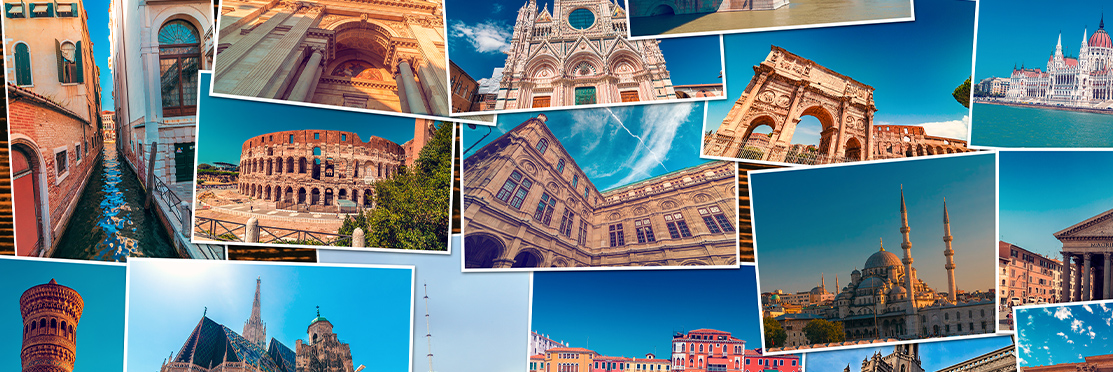
What is Switzerland known for ?
Switzerland is a mountainous country in the heart of Europe. It is known for its four national languages (German, French, Italian and Romansh), its political neutrality, its many international organisations, its high standard of living, its efficient transport system and its innovative economy. It also places great importance on preserving its traditions.
-
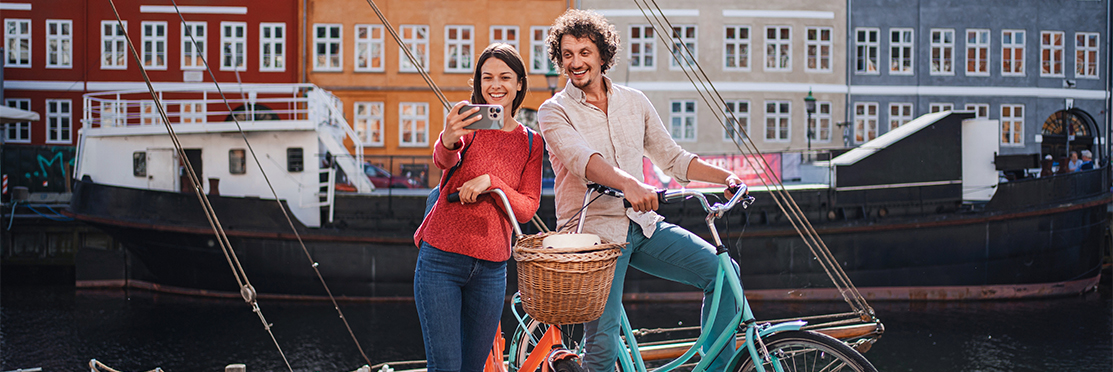
What are the must-see places in Switzerland ?
Switzerland has 13 UNESCO World Heritage sites, including the Old City of Berne, the Abbey of St Gall, the Benedictine Convent of St John at Müstair, the Three Castles of Bellinzona, the Swiss Alps Jungfrau-Aletsch and the Lavaux vineyard terraces on Lake Geneva. These sites are a good starting point for sightseeing.
-

How many days do you need in Switzerland ?
Switzerland Tourism recommends at least 7 days for the 1,643 km core route of the Grand Tour of Switzerland by car or motorcycle, with at least 5 hours of driving per day. The time needed depends on how many stops you make along the route.
-
Is Switzerland expensive to visit ?
Yes, Switzerland is expensive. Switzerland Tourism lists average prices from CHF 4 for a cup of coffee, from CHF 20 for a main course and from CHF 120 for a double room with breakfast in the low-price range. A Swiss public broadcaster (RTS) found that a three-day weekend in Zurich in July 2025 cost about CHF 1,720 for two adults, compared with about CHF 989 in Vienna. Budget options include the Swiss Travel Pass, guest cards, hostels and free museum days.
-
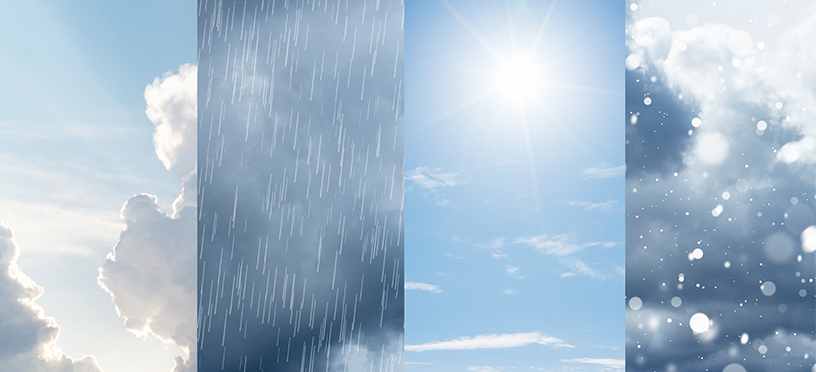
What is the weather like in Switzerland ?
Switzerland has a moderate climate with clearly distinct seasons. Daytime temperatures are about 18 to 28 °C from July to August, about 8 to 15 °C in spring and autumn, and about -2 to 7 °C from January to February. Temperatures vary with altitude, and weather in the mountains can change quickly. Pack warm layers, walking shoes and a rain jacket.
-

What are the top things to do in Switzerland ?
Popular activities include hiking on the country's waymarked trails (over 65,000 km), swimming in its lakes and rivers, cycling and mountain biking, skiing and snowboarding in winter, visiting museums and historic old towns, and taking scenic train or boat trips.
-

What food is the Switzerland famous for ?
Switzerland is known for cheese fondue, raclette, rösti (a fried potato cake), Birchermüesli, Swiss chocolate and cheese. Regional specialities include Zürcher Geschnetzeltes (veal in a creamy sauce), polenta in Ticino and Bündnerfleisch (air-dried beef) in Graubünden.
What you need to know when traveling with Ryanair
View all FAQsCan I bring cabin baggage on a Ryanair flight?
Yes, Ryanair allows one small personal bag included with every fare. Larger cabin bags or priority boarding options can be added for an extra fee.
How do I check in for my Ryanair flight?
You can check in online via the Ryanair app or website. Online check-in typically opens 24 hours before departure, or earlier if you’ve purchased a seat.
Can I change my Ryanair flight after booking?
Yes, Ryanair allows flight changes, but fees may apply depending on the fare type and timing of the change.
What happens if my Ryanair flight is delayed or cancelled?
If your flight is disrupted, Ryanair may offer options such as rebooking, refunds, or assistance, depending on the circumstances and applicable regulations.
Can I book airport transfers or car hire with Ryanair?
Yes, when booking with Ryanair, you can add extras such as car hire and airport transfers through partner services like Carhire, making it easier to travel from the aiport to the city or surrounding areas.
What is Priority Boarding and how does it work with Ryanair?
Ryanair Priority Boarding lets you board using the Priority queue and bring two cabin bags on board: one small personal bag and one 10kg cabin bag, subject to availability and fees.