Cheap flights to Vitoria-Gasteiz
Flights, routes and travel tips
-
Nov 2026 NO FARE
from €-- ---- --
-
Dec 2026 NO FARE
from €-- ---- --
-
Jan 2027 NO FARE
from €-- ---- --
-
Feb 2027 NO FARE
from €-- ---- --
-
Mar 2027 NO FARE
from €-- ---- --
-
Apr 2027 NO FARE
from €-- ---- --
-
May 2027 NO FARE
from €-- ---- --
-
Jun 2027 NO FARE
from €-- ---- --
-
Jul 2027 NO FARE
from €-- ---- --
-
Aug 2027 NO FARE
from €-- ---- --
-
Sep 2027 NO FARE
from €-- ---- --
-
Oct 2027 NO FARE
from €-- ---- --
- What is the cheapest time of year to visit Vitoria-Gasteiz ?
- Prices for accommodation and flights are usually lower outside the peak summer months and public holiday periods. Check the city's official tourism and events information for dates of local festivals, which can raise hotel prices, and compare fares for your travel dates.
- What are the most popular places to visit in Vitoria-Gasteiz ?
- Visitors usually start with the historic medieval old town and the city's green spaces, which are central to its identity as a Green Capital. Check the city's official tourism section for current museums, monuments and routes.
- How do tourists get around in Vitoria-Gasteiz ?
- Most of the historic centre can be explored on foot. For buses, the city's official VG Bus and VG TMC apps provide route and timetable information, and taxis are also available. Check the city council's transport information before you travel.
- What travel documents do I need to fly to Vitoria-Gasteiz ?
- Travel document requirements depend on your nationality, residency and the type of document you hold, and they can change. Check the latest official guidance before you travel.
- Do I need a car when visiting Vitoria-Gasteiz ?
- A car is not essential for visiting the historic centre, which is compact and walkable. If you plan to travel beyond the city, or to reach the airport at night, a car or taxi may be more convenient. Airport car parking and car access information is available from the airport operator.
- How long does it take to get from the airport to the main tourist areas of Vitoria-Gasteiz ?
- Vitoria-Gasteiz is served by Vitoria Airport (VIT). Transfer times vary depending on destination, traffic and the transport option you choose. The airport's official site lists car, bus and taxi options for getting to and from the airport, so check Aena's airport information and the local transport information before you travel.
Travel Tips
-

When is the best time to visit Vitoria-Gasteiz ?
Late spring (May to June) and September are generally the most comfortable, with mild temperatures and lower rainfall than winter. Winters are cold, with average January temperatures around 5 °C, and July and August are the warmest months, with average temperatures near 20 °C. Spain.info describes a July jazz festival in the city.
-
What is Vitoria-Gasteiz known for ?
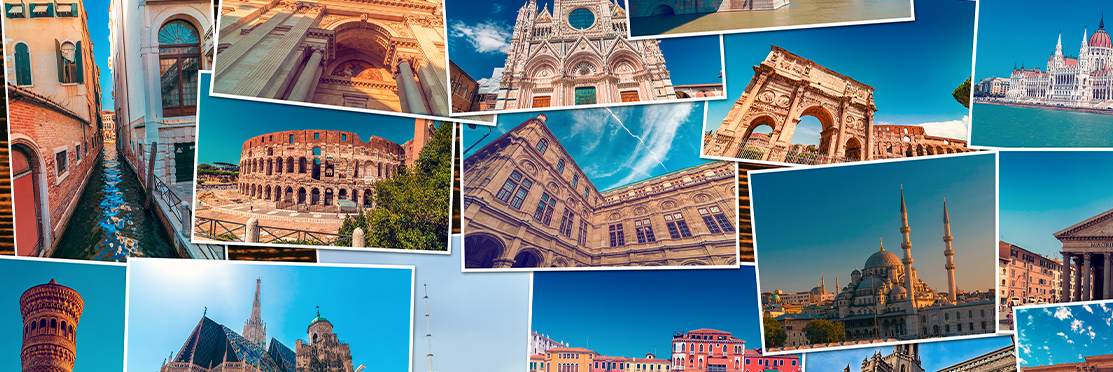
Vitoria-Gasteiz is the capital of the Álava province and the Basque Country. It was the first Spanish municipality named European Green Capital (2012) and received the UN Global Green City Award (2019). It is also known for its medieval old town, its green spaces, and its festivals.
-
What are the must-see places in Vitoria-Gasteiz ?
Key places include the Medieval Quarter and its city walls, the Santa María Cathedral, and the Plaza de la Virgen Blanca. In the Ensanche district, Plaza de los Fueros and the New Cathedral are notable, and Florida Park is one of the city's most emblematic green spaces.
-

How many days do you need in Vitoria-Gasteiz ?
The city council's official guide is organised as one-, two- and three-day itineraries. Two to three days allow you to cover the old town, the Ensanche, museums, parks and the Green Belt at a relaxed pace.
-

Is Vitoria-Gasteiz expensive to visit ?
No city-specific price data was found in the sources reviewed. Spain-wide guides put a menú del día (a set lunch with several courses and a drink) at about €12 to €20. Tipping is modest and not obligatory. Many sights in the city, such as the Museo de Bellas Artes, are free to visit.
-

What is the weather like in Vitoria-Gasteiz ?
Vitoria-Gasteiz has a cool, wet climate with cold winters and warm summers. Average annual precipitation is about 750 mm, and November is typically the wettest month. Summer highs usually reach about 27 °C, and winter lows are often around 1 °C.
-
What are the top things to do in Vitoria-Gasteiz ?
Top activities include walking the Medieval Quarter and its city walls, exploring the Green Belt (Anillo Verde), including Salburua Park and Ataria, and visiting the Santa María Cathedral. Guided tours are available through the tourist office. Visitors can also join bird watching and sustainability-themed activities.
-

What food is the Vitoria-Gasteiz famous for ?
Vitoria-Gasteiz is known for pintxos, the Basque small bites served in bars, often with local wine or cider. The indoor Plaza de Abastos market sells local produce, and Confituras Goya is known for traditional galletas de nata (cream cookies).
What you need to know when traveling with Ryanair
View all FAQsCan I bring cabin baggage on a Ryanair flight?
Yes, Ryanair allows one small personal bag included with every fare. Larger cabin bags or priority boarding options can be added for an extra fee.
How do I check in for my Ryanair flight?
You can check in online via the Ryanair app or website. Online check-in typically opens 24 hours before departure, or earlier if you’ve purchased a seat.
Can I change my Ryanair flight after booking?
Yes, Ryanair allows flight changes, but fees may apply depending on the fare type and timing of the change.
What happens if my Ryanair flight is delayed or cancelled?
If your flight is disrupted, Ryanair may offer options such as rebooking, refunds, or assistance, depending on the circumstances and applicable regulations.
Can I book airport transfers or car hire with Ryanair?
Yes, when booking with Ryanair, you can add extras such as car hire and airport transfers through partner services like Carhire, making it easier to travel from the aiport to the city or surrounding areas.
What is Priority Boarding and how does it work with Ryanair?
Ryanair Priority Boarding lets you board using the Priority queue and bring two cabin bags on board: one small personal bag and one 10kg cabin bag, subject to availability and fees.