Cheap flights to Cluj Napoca
Flights, routes and travel tips
-
Nov 2026 NO FARE
from €-- ---- --
-
Dec 2026 NO FARE
from €-- ---- --
-
Jan 2027 NO FARE
from €-- ---- --
-
Feb 2027 NO FARE
from €-- ---- --
-
Mar 2027 NO FARE
from €-- ---- --
-
Apr 2027 NO FARE
from €-- ---- --
-
May 2027 NO FARE
from €-- ---- --
-
Jun 2027 NO FARE
from €-- ---- --
-
Jul 2027 NO FARE
from €-- ---- --
-
Aug 2027 NO FARE
from €-- ---- --
-
Sep 2027 NO FARE
from €-- ---- --
-
Oct 2027 NO FARE
from €-- ---- --
- What is the cheapest time of year to visit Cluj Napoca ?
- Cluj has a temperate-continental climate, with cold winters and warm summers. Flight and hotel prices vary by date, so compare fares and accommodation for your specific dates. Travel outside the warm summer months and outside major festival or event periods usually costs less, but check current prices before booking.
- What are the most popular places to visit in Cluj Napoca ?
- Popular things to do in Cluj include the city centre, its restaurants and cafés serving traditional Transylvanian food as well as international cuisine, and its shopping. The main shopping centres are Iulius Mall, VIVO! Cluj-Napoca and Platinia Shopping Center, and the artisan market near Piața Muzeului is worth a visit. Cluj is also known for its festivals, concerts, exhibitions and cultural events. The city's tourist information centre and official city tourism pages list current attractions and events.
- How do tourists get around in Cluj Napoca ?
- Most visitors use the urban and metropolitan buses run by CTP Cluj-Napoca, which also operate night services. Tickets can be bought by SMS, with a contactless bank card, or from ticket machines and ticket centres. Bicycle rental and taxis are also available, and the city has a regulated taxi system. Walking is practical in the central area.
- What travel documents do I need to fly to Cluj Napoca ?
- Requirements depend on your nationality, residency and the type of document you hold, and they can change. Check the official travel-document requirements for your nationality with your government and with the official EU travel information before you travel. Check the latest official guidance before you travel.
- Do I need a car when visiting Cluj Napoca ?
- A car is not essential for visiting the city centre, which is served by public transport, taxis and walking. A car can be useful for trips outside the city. If you drive, check the city's parking zones and tariffs, and note that the airport offers parking and rent-a-car services.
- How long does it take to get from the airport to the main tourist areas of Cluj Napoca ?
- Cluj has one main airport, Avram Iancu Cluj International Airport. The airport states that the trip to the city centre takes about 26 minutes by bus lines A1E, 5 or 8 operated by CTP. By car, the airport says the trip from the city centre takes about 30 minutes. Transfer times vary depending on traffic and the transport option, so check current airport and CTP timetables before you travel.
Travel Tips
-

When is the best time to visit Cluj Napoca ?
Spring and autumn suit a mild visit, with temperatures from about 0 °C to 22 °C and more frequent but milder rain. Summer is the busiest season for festivals and events, but it is warm, around 20 °C on average, with occasional heavy storms.
-
What is Cluj Napoca known for ?
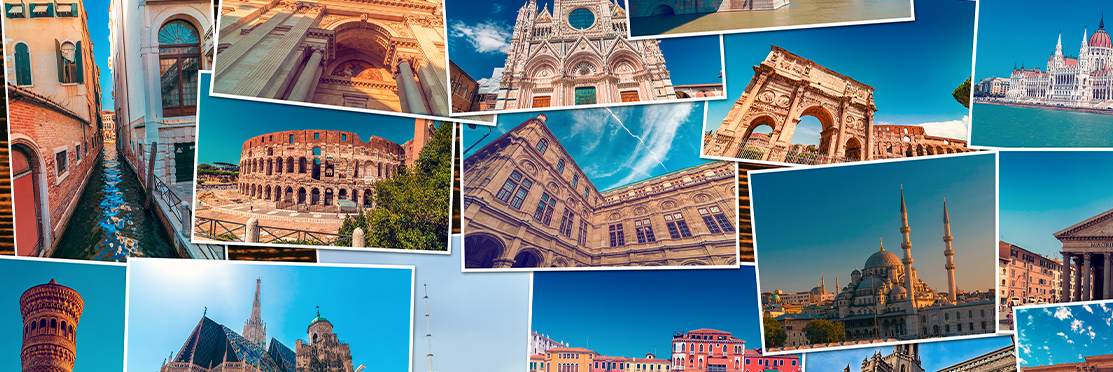
Cluj-Napoca is an academic, cultural and business centre and the unofficial capital of Transylvania. It hosts Babeș-Bolyai University, Romania's largest university, and was named a UNESCO City of Film in 2021. It is also known by the nickname 'treasure city', which dates from the late 16th century.
-
What are the must-see places in Cluj Napoca ?
Key sights include St. Michael's Church and the Matthias Corvinus statue in Union Square, the Orthodox Cathedral on Avram Iancu Square, the Franciscan Monastery and Transylvanian History Museum on Museum Square, Iuliu Maniu Street, the Botanical Garden of Babeș-Bolyai University, and the Central Cemetery (Hajongard).
-

How many days do you need in Cluj Napoca ?
The sources do not give a recommended number of days. The city centre is compact: Wikivoyage places Museum Square about a two-minute walk from Union Square, so the main central sights can be covered in a short stay. Day trips to the surrounding countryside are also available, according to VisitCluj.
-
Is Cluj Napoca expensive to visit ?
Wikivoyage says Cluj is more expensive than other Romanian cities but much cheaper than Western Europe. It also lists budget-friendly restaurants in the city centre.
-

What is the weather like in Cluj Napoca ?
Cluj-Napoca has a warm-summer humid continental climate. Winters are often below 0 °C, rarely below -10 °C, and snow covers the ground for about 65 days a year. Summers average about 20 °C, sometimes reaching 35 °C in mid-summer, with occasional heavy storms.
-

What are the top things to do in Cluj Napoca ?
Visit the churches, museums and squares of the historic centre, including the Ethnographic Museum of Transylvania and its open-air park, dating from 1929. Enjoy the Botanical Garden, the nightlife on Strada Piezișă, and summer festivals. In the surrounding area, VisitCluj lists horse riding, hiking, fishing and wine tastings.
-

What food is the Cluj Napoca famous for ?
Cluj is known for traditional Transylvanian cooking, which blends Romanian, Hungarian, Saxon and Armenian influences. VisitCluj highlights homemade traditional dishes from Transylvania, and Wikivoyage features Kurtoskalacs, a Transylvanian pastry, in its dining section.
What you need to know when traveling with Ryanair
View all FAQsCan I bring cabin baggage on a Ryanair flight?
Yes, Ryanair allows one small personal bag included with every fare. Larger cabin bags or priority boarding options can be added for an extra fee.
How do I check in for my Ryanair flight?
You can check in online via the Ryanair app or website. Online check-in typically opens 24 hours before departure, or earlier if you’ve purchased a seat.
Can I change my Ryanair flight after booking?
Yes, Ryanair allows flight changes, but fees may apply depending on the fare type and timing of the change.
What happens if my Ryanair flight is delayed or cancelled?
If your flight is disrupted, Ryanair may offer options such as rebooking, refunds, or assistance, depending on the circumstances and applicable regulations.
Can I book airport transfers or car hire with Ryanair?
Yes, when booking with Ryanair, you can add extras such as car hire and airport transfers through partner services like Carhire, making it easier to travel from the aiport to the city or surrounding areas.
What is Priority Boarding and how does it work with Ryanair?
Ryanair Priority Boarding lets you board using the Priority queue and bring two cabin bags on board: one small personal bag and one 10kg cabin bag, subject to availability and fees.