Cheap flights to Croatia
Flights, routes and travel tips
-
Nov 2026 NO FARE
from €-- ---- --
-
Dec 2026 NO FARE
from €-- ---- --
-
Jan 2027 NO FARE
from €-- ---- --
-
Feb 2027 NO FARE
from €-- ---- --
-
Mar 2027 CHEAPEST
from €19.99Each way
-
Apr 2027
from €29.99Each way
-
May 2027
from €27.99Each way
-
Jun 2027
from €39.99Each way
-
Jul 2027
from €60.99Each way
-
Aug 2027
from €54.99Each way
-
Sep 2027
from €27.99Each way
-
Oct 2027 NO FARE
from €-- ---- --
Find cheap flights to Croatia
| From | To | Flight type | Departure date | Departure time | Flight time | Price | Route availability |
|---|---|---|---|---|---|---|---|
| Kosice KSC | Zadar ZAD | One way | Wed 31 Mar | Departure time: 15:05 | Flight time: 1h 25m | €19.99 | Route availability: M T W T F S S |
| Bratislava BTS | Zadar ZAD | One way | Wed 19 May | Departure time: 07:35 | Flight time: 1h 15m | €27.99 | Route availability: M T W T F S S |
| Bratislava BTS | Zadar ZAD | One way | Tue 28 Sep | Departure time: 13:45 | Flight time: 1h 15m | €27.99 | Route availability: M T W T F S S |
| Kosice KSC | Zadar ZAD | One way | Mon 17 May | Departure time: 17:30 | Flight time: 1h 25m | €27.99 | Route availability: M T W T F S S |
| Kosice KSC | Zadar ZAD | One way | Mon 19 Apr | Departure time: 17:30 | Flight time: 1h 25m | €29.99 | Route availability: M T W T F S S |
- What is the cheapest time of year to visit Croatia ?
- The cheapest time to visit Croatia is generally the winter months, from December to February. This is the low season, when coastal tourism is quiet and accommodation is usually more affordable, although many coastal businesses reduce their opening hours. Inland cities such as Zagreb are a good option in winter, and the Christmas markets in December draw visitors. Autumn, from September to November, is also more affordable than the summer peak, with fewer crowds and lower hotel prices.
- What are the most popular places to visit in Croatia ?
- Croatia's most visited destinations combine historic coastal towns, islands and national parks. Dubrovnik is known for its historic walled old town, and Split is the country's second-largest city, with its Roman-era Diocletian's Palace. Plitvice Lakes National Park, Krka National Park, Hvar Town, Zadar and Rovinj are also among the most visited places. Zagreb, the capital, offers museums, galleries and a lively city centre, while Istria's towns, such as Pula, Poreč and Rovinj, are popular for their history and coastline.
- How do tourists get around in Croatia ?
- Tourists in Croatia commonly travel by car, bus, train, taxi and ferry. Car travel gives the most flexibility for coastal areas, inland regions and national parks, and the country has a modern highway network. Intercity bus services are widely used and generally affordable. Trains operate on some routes and offer scenic journeys. Ferries connect the mainland with many islands, and their schedules can change by season. Taxis are available in towns and cities, and in larger cities such as Zagreb, Split and Dubrovnik, local buses and walking are common ways to get around.
- What travel documents do I need to fly to Croatia ?
- You will need a valid travel document to enter Croatia, but the exact requirements depend on your nationality, residency status and the type of document you hold. Croatia is part of the Schengen area, and rules for entering from outside Schengen can differ from rules for travel between Schengen countries. Requirements can change, so check the official travel-document requirements for your nationality and route before you book. Check the latest official guidance before you travel.
- Do I need a car when visiting Croatia ?
- Whether you need a car depends on your itinerary. In cities such as Zagreb, Split and Dubrovnik, you can usually manage without one using walking, local buses and taxis. A car is useful if you plan to explore inland areas, national parks, the Istrian peninsula or smaller coastal towns, where public transport can be less frequent. Ferries are needed for island visits, and you can combine them with a car or use public transport on the islands. Check parking and road conditions in advance, especially in peak summer.
- How long does it take to get from the airport to the main tourist areas of Croatia ?
- Croatia has several international airports, including Zagreb, Osijek, Pula, Rijeka, Zadar, Split and Dubrovnik, along with airports on the islands. Transfer times vary depending on the airport, your destination, traffic and the transport option you choose, such as a taxi, bus, shuttle or pre-booked transfer. Check the official airport website or local transport information for your specific airport before you travel, as schedules and fares can change.
Travel Tips
-

When is the best time to visit Croatia
Summer is the most popular season, with sun, sea and outdoor activities. Spring and autumn have milder temperatures and fewer crowds, which suit sightseeing and outdoor activities. Winter is cold and often snowy inland, and is known for its holiday festivals.
-
What is Croatia known for ?
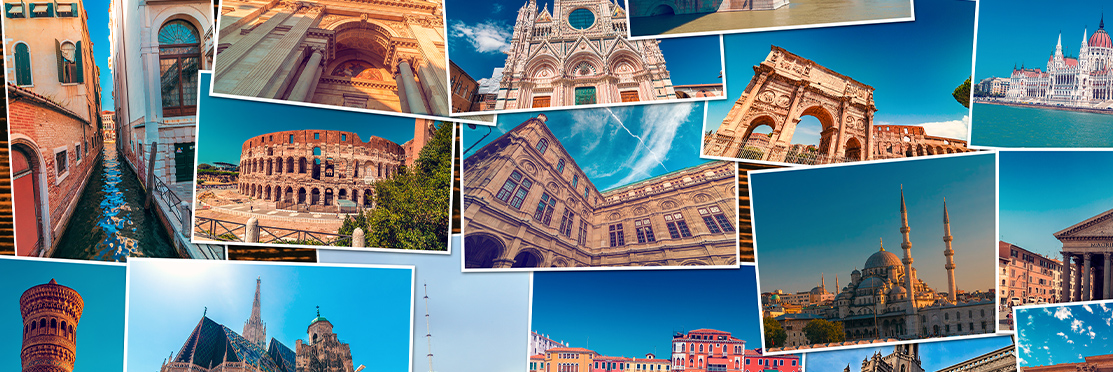
Croatia is known for its Adriatic coast and about 1,000 islands, its national parks and protected nature, its UNESCO World Heritage Sites, and its food and wine. The national tourist board describes the country as having four clearly different seasons and nearly 10% of its territory in national parks, nature parks and protected areas.
-
What are the must-see places in Croatia ?
The Croatian National Tourist Board highlights Dubrovnik Old Town, the Diocletian Palace and medieval Split, and the Plitvice Lakes National Park. The board also promotes the Dalmatian islands and the city of Zagreb.
-

How many days do you need in Croatia ?
The official tourism board does not give a fixed number of days. It divides Croatia into ten tourist regions, so the time needed depends on how many regions you want to visit. Plan more days if you want to cover several regions, such as Dalmatia, Istria and Zagreb.
-
Is Croatia expensive to visit ?
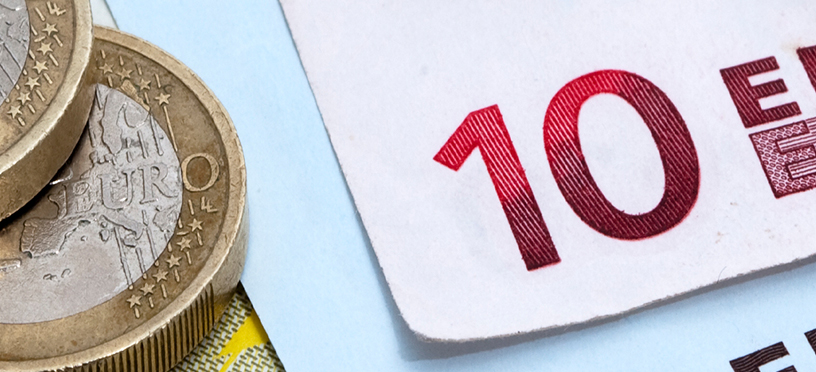
Costs vary by season and location. Croatia had one of the highest annual inflation rates in the EU in 2025, at 4.4%, according to Eurostat. A Croatian travel company estimates a mid-range budget of about EUR 175 to 350 per person per day in 2026, and a restaurant meal at about EUR 15 to 25. These are indicative estimates, not official figures.
-

What is the weather like in Croatia ?
Croatia has four distinct seasons. On the Dalmatian coast, using Split data from the Croatian Meteorological and Hydrological Service (DHMZ), average air temperatures are about 19 °C in May, 26 °C in August and 17 °C in October. Summer is the sunniest season, and October is wetter than August. Sea temperatures are about 18 °C in May, 25 °C in August and 21 °C in October. Strong winds (bura and jugo) can affect sea conditions, mostly from November to March.
-

What are the top things to do in Croatia ?
The national tourist board lists sailing and island hopping, beaches, cycling, kayaking, rafting, diving, hiking, zip-lining, camping, cultural and art events, and wellness. Its summer activities include festivals and open-air concerts.
-

What food is the Croatia famous for ?
Croatia is known for fresh Adriatic seafood, such as grilled fish, oysters and mussels from Ston, and salted anchovies. Other well-known foods include Pag island cheese, kulen and kulenova seka sausages from Slavonia, pašticada from Split, turkey with mlinci, and desserts such as fritule and kroštule. Cuisine varies by region, with Mediterranean influences on the coast and Hungarian, Viennese and Turkish influences in the continental regions.
What you need to know when traveling with Ryanair
View all FAQsCan I bring cabin baggage on a Ryanair flight?
Yes, Ryanair allows one small personal bag included with every fare. Larger cabin bags or priority boarding options can be added for an extra fee.
How do I check in for my Ryanair flight?
You can check in online via the Ryanair app or website. Online check-in typically opens 24 hours before departure, or earlier if you’ve purchased a seat.
Can I change my Ryanair flight after booking?
Yes, Ryanair allows flight changes, but fees may apply depending on the fare type and timing of the change.
What happens if my Ryanair flight is delayed or cancelled?
If your flight is disrupted, Ryanair may offer options such as rebooking, refunds, or assistance, depending on the circumstances and applicable regulations.
Can I book airport transfers or car hire with Ryanair?
Yes, when booking with Ryanair, you can add extras such as car hire and airport transfers through partner services like Carhire, making it easier to travel from the aiport to the city or surrounding areas.
What is Priority Boarding and how does it work with Ryanair?
Ryanair Priority Boarding lets you board using the Priority queue and bring two cabin bags on board: one small personal bag and one 10kg cabin bag, subject to availability and fees.