Cheap flights to Denmark
Flights, routes and travel tips
-
Nov 2026 NO FARE
from €-- ---- --
-
Dec 2026 NO FARE
from €-- ---- --
-
Jan 2027 NO FARE
from €-- ---- --
-
Feb 2027 NO FARE
from €-- ---- --
-
Mar 2027 NO FARE
from €-- ---- --
-
Apr 2027 NO FARE
from €-- ---- --
-
May 2027 NO FARE
from €-- ---- --
-
Jun 2027 NO FARE
from €-- ---- --
-
Jul 2027 NO FARE
from €-- ---- --
-
Aug 2027 NO FARE
from €-- ---- --
-
Sep 2027 NO FARE
from €-- ---- --
-
Oct 2027 NO FARE
from €-- ---- --
- What is the cheapest time of year to visit Denmark ?
- Prices for flights and accommodation vary by date, so check fares for your dates. Denmark's peak travel season is June to August, when temperatures are warmest and daylight is longest. Late spring and early autumn are shoulder seasons, offering quieter roads and mild temperatures. Winter, from December to March, is cold with frost and snow, while autumn is typically rainy and overcast. Travellers looking for lower demand should consider the shoulder seasons.
- What are the most popular places to visit in Denmark ?
- Denmark's most popular destinations combine lively cities with coastline, islands and historic sites. Copenhagen, the capital, is known for its harbour, cycling culture and Tivoli Gardens. Aarhus offers beaches, forests, national parks and a strong cultural scene. Odense is the birthplace of Hans Christian Andersen, and Aalborg is known for its Viking heritage, modern architecture and street art. Visitors also enjoy the many islands, including Bornholm, and day trips from Copenhagen.
- How do tourists get around in Denmark ?
- Tourists in Denmark commonly travel by train, bus, ferry and bicycle. DSB operates regular trains between Copenhagen and towns across the country; for example, Copenhagen to Aarhus takes about three hours and Copenhagen to Odense about one and a half hours. In Copenhagen, the metro, S-trains, buses and harbour buses are widely used, and bikes or e-scooters can be rented. Bikes can be taken on the metro outside commuter hours and on regional trains, with a ticket for the bike. Renting a car is also an option for exploring further afield.
- What travel documents do I need to fly to Denmark ?
- Travel document requirements depend on your nationality, residency status and the type of document you hold. Citizens of EU, EEA and Schengen countries generally need a valid passport or a national ID card approved as travel ID. Citizens of other countries usually need a valid passport and, in some cases, a visa or residence permit. Requirements can change, so confirm your eligibility with your airline and official sources before you travel. Check the latest official guidance before you travel.
- Do I need a car when visiting Denmark ?
- Whether you need a car depends on your itinerary. Denmark's distances are short, and Copenhagen and Aarhus are easy to explore by public transport, bicycle or on foot, so a car is not essential for city stays. A car is useful for visiting rural areas, coastal towns and islands at your own pace. Cars can be rented at Copenhagen Airport. Drive on the right, use lights at all times, carry an emergency triangle and ensure seatbelts are worn. Foreign vehicles must be properly registered and insured.
- How long does it take to get from the airport to the main tourist areas of Denmark ?
- Copenhagen Airport (CPH): The regional train or metro reaches Copenhagen city centre in under 15 minutes, and the metro is best for areas such as Nørrebro, Vesterbro and Frederiksberg. Bus 5A takes approximately 35 minutes to the city centre. Taxis take about 20 to 30 minutes, and a taxi rank is outside Arrivals. Aarhus Airport (AAR): The Airport Express bus 925x takes approximately 45 to 50 minutes from Aarhus Central Station to the airport, with departures timed to flights. Taxis are available at the airport. Transfer times vary depending on traffic and the transport option chosen, so check official airport and local transport information before you travel.
Travel Tips
-

When is the best time to visit Denmark
VisitDenmark names June to the end of August as Denmark's peak travel season, with temperatures around 22°C and up to 19 hours of daylight. Late spring and early autumn are recommended for quieter roads and milder temperatures. Winter (November to February) can fall to about -1°C, and it feels colder with wind chill.
-
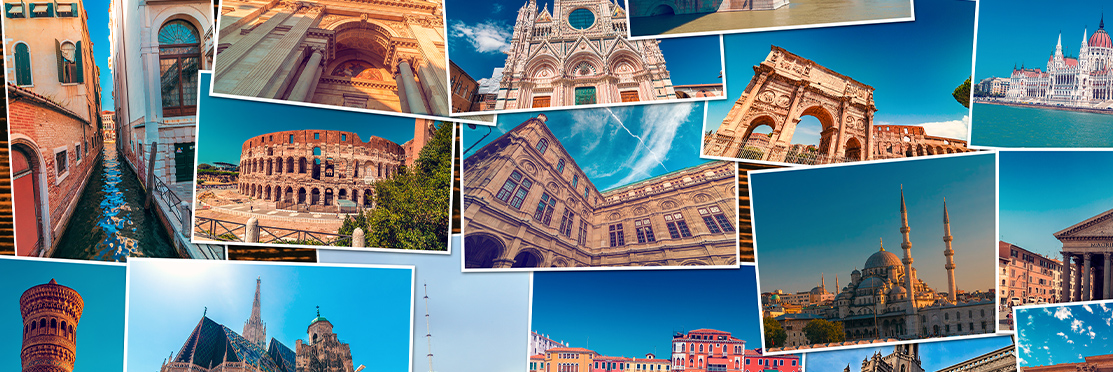
What is Denmark known for ?
Denmark is known for hygge, a Danish concept of cosiness and togetherness. It is also known for its food scene, including New Nordic cuisine, and for its design and architecture. Copenhagen is described as one of the world's best cycling cities.
-
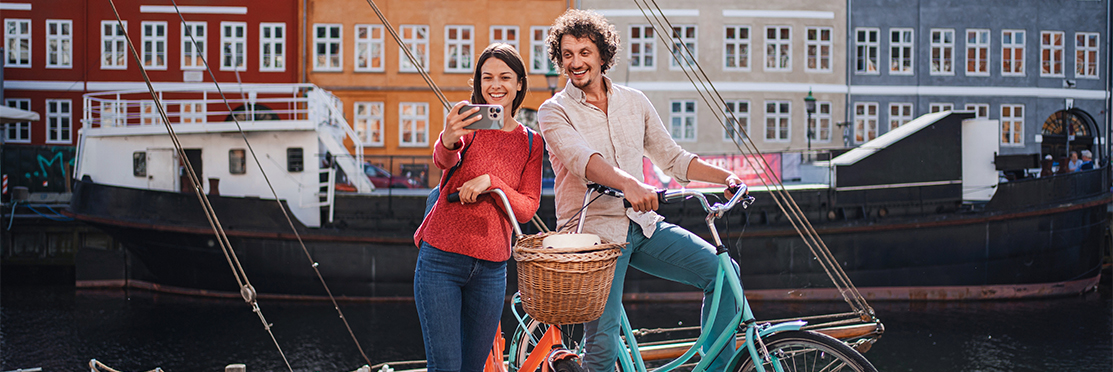
What are the must-see places in Denmark ?
In Copenhagen, VisitDenmark highlights Nyhavn, Tivoli, Strøget, Amalienborg Palace and The Little Mermaid. Aarhus is described as nestled by beaches, forests and national parks, with a strong cultural scene.
-
How many days do you need in Denmark ?
VisitDenmark states that a long weekend is not long enough for Copenhagen and recommends a week in the capital. Distances are short: the train from Copenhagen to Aarhus takes about three hours, and to Aalborg about four hours. The number of days depends on how many places you want to visit.
-
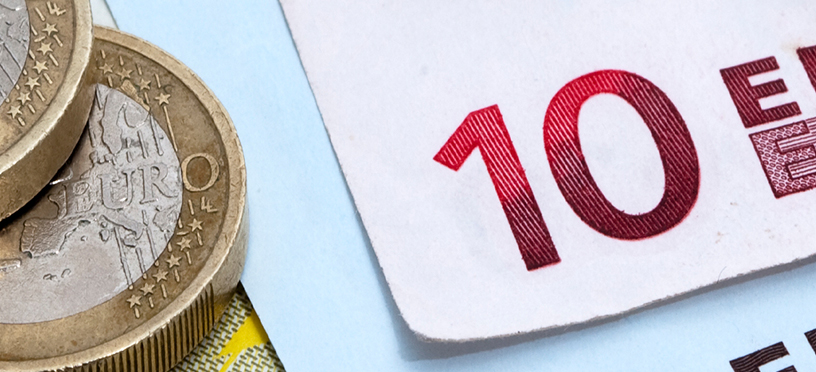
Is Denmark expensive to visit ?
The sources do not give a general price comparison. Denmark's VAT is 25%, and prices include VAT. Non-EU visitors can reclaim 10% to 19% on eligible purchases over 300 kr. Some golf green fees start at about 200 kr on weekdays, which VisitDenmark describes as relatively cheap compared with the rest of Europe.
-

What is the weather like in Denmark ?
Denmark has four distinct seasons, moderated by the Gulf Stream. Summers (June to August) are the warmest, with February the coldest month (mean 0.0°C) and August the warmest (mean 15.7°C). Winters are cold, with frost and snow. The west coast gets more rain, and annual rainfall averages 61 cm. Sea temperatures from June to August are typically 17°C to 22°C.
-

What are the top things to do in Denmark ?
Top activities include cycling, with over 11,000 km of signposted routes and 11 national cycle routes; taking a floating or canal experience in Copenhagen; visiting Tivoli Gardens; and visiting museums and Reffen street food market in Copenhagen. Denmark also offers around 500 public and private open gardens, and cycling holidays.
-

What food is the Denmark famous for ?
Denmark is known for its New Nordic cuisine and Michelin-starred restaurants. VisitDenmark highlights Danish oysters, which can be eaten in every month with an R in its name, and Danish cakes and pastries. Danish beer, including Carlsberg and Tuborg, and Danish whisky and wine are also featured.
What you need to know when traveling with Ryanair
View all FAQsCan I bring cabin baggage on a Ryanair flight?
Yes, Ryanair allows one small personal bag included with every fare. Larger cabin bags or priority boarding options can be added for an extra fee.
How do I check in for my Ryanair flight?
You can check in online via the Ryanair app or website. Online check-in typically opens 24 hours before departure, or earlier if you’ve purchased a seat.
Can I change my Ryanair flight after booking?
Yes, Ryanair allows flight changes, but fees may apply depending on the fare type and timing of the change.
What happens if my Ryanair flight is delayed or cancelled?
If your flight is disrupted, Ryanair may offer options such as rebooking, refunds, or assistance, depending on the circumstances and applicable regulations.
Can I book airport transfers or car hire with Ryanair?
Yes, when booking with Ryanair, you can add extras such as car hire and airport transfers through partner services like Carhire, making it easier to travel from the aiport to the city or surrounding areas.
What is Priority Boarding and how does it work with Ryanair?
Ryanair Priority Boarding lets you board using the Priority queue and bring two cabin bags on board: one small personal bag and one 10kg cabin bag, subject to availability and fees.