Cheap flights to Hungary
Flights, routes and travel tips
-
Nov 2026 NO FARE
from €-- ---- --
-
Dec 2026 NO FARE
from €-- ---- --
-
Jan 2027 NO FARE
from €-- ---- --
-
Feb 2027 NO FARE
from €-- ---- --
-
Mar 2027 NO FARE
from €-- ---- --
-
Apr 2027 NO FARE
from €-- ---- --
-
May 2027 NO FARE
from €-- ---- --
-
Jun 2027 NO FARE
from €-- ---- --
-
Jul 2027 NO FARE
from €-- ---- --
-
Aug 2027 NO FARE
from €-- ---- --
-
Sep 2027 NO FARE
from €-- ---- --
-
Oct 2027 NO FARE
from €-- ---- --
- What is the cheapest time of year to visit Hungary ?
- Flight and accommodation prices in Hungary are generally lower outside the peak summer months and major holiday periods. Budapest, the capital, is busiest during the summer and around national holidays such as 15 March and 23 October, so travelling outside these times can help you find better value. Check the official Budapest tourist information for current events and seasonal offers before you book.
- What are the most popular places to visit in Hungary ?
- Budapest is the most visited destination in Hungary, with its UNESCO World Heritage riverside sights. Popular highlights include the Danube Promenade, the Chain Bridge, Buda Castle, Gellért Hill, the Váci shopping street, Vörösmarty Square, and the Vigadó Concert Hall. Pleasure boats along the Danube offer views of the UNESCO-listed sights. Check the official Budapest tourist information for more options across the country.
- How do tourists get around in Hungary ?
- In Budapest, tourists can use the metro (four lines), trams, trolleybuses, buses, and suburban railway trains. Night trams run on the Grand Boulevard, and night buses with numbers starting with 9 cover the city. Other options include the MOL Bubi bike-sharing service, taxis, and special services such as the Funicular and Chairlift. You must validate your ticket at the metro entrance or immediately after boarding a bus, tram, or trolleybus, and keep it until the end of your journey. For travel beyond Budapest, check official timetables before you travel and keep an eye on your belongings on trains.
- What travel documents do I need to fly to Hungary ?
- Hungary is part of the Schengen area, and the documents you need depend on your nationality, residency and the type of document you hold. Entry rules can also change, and short-stay travellers may need to register biometric details under the EU Entry/Exit System. Check with your airline and the official authorities of Hungary or your home country before you fly. Check the latest official guidance before you travel.
- Do I need a car when visiting Hungary ?
- You do not need a car to visit Budapest, where public transport covers the city well with metro lines, trams, trolleybuses, buses and night services. A car can be useful if you plan to explore the countryside and other regions. If you drive, you must buy a motorway e-vignette in advance to use major highways, and driving under the influence of any alcohol is illegal. Dipped headlights must be used outside towns, even in daytime.
- How long does it take to get from the airport to the main tourist areas of Hungary ?
- Budapest Liszt Ferenc International Airport (BUD) is the airport serving Budapest. The 100E Airport Express bus runs around the clock between the airport and the city centre, with a journey time of about 40 minutes to Kálvin tér or Deák Ferenc tér. Bus line 200E also runs 24 hours a day, but the Airport Express single ticket is not accepted on it. Transfer times to other tourist areas in Hungary vary depending on the destination, traffic and transport option. Check official airport and local transport information before you travel.
Travel Tips
-

When is the best time to visit Hungary
Spring (March to May) and autumn (September and October) are generally considered the best times to visit. Most attractions are open, and the weather is mild with fewer crowds. Summer, roughly May to September, is the main tourist season, with Lake Balaton especially busy.
-
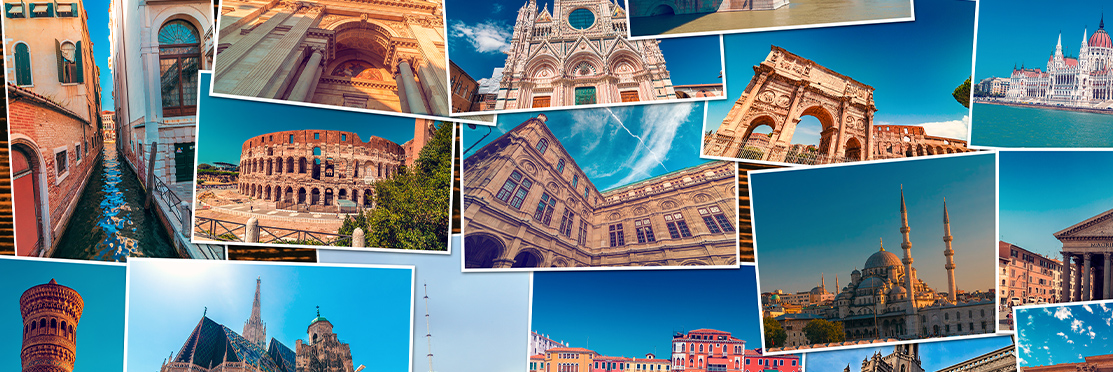
What is Hungary known for ?
Hungary is known for the thermal baths and architecture of Budapest, the Lake Balaton region, the wine of Eger, and the cultural heritage of Pécs. Its Hungarian food and wine traditions are also widely recognised.
-
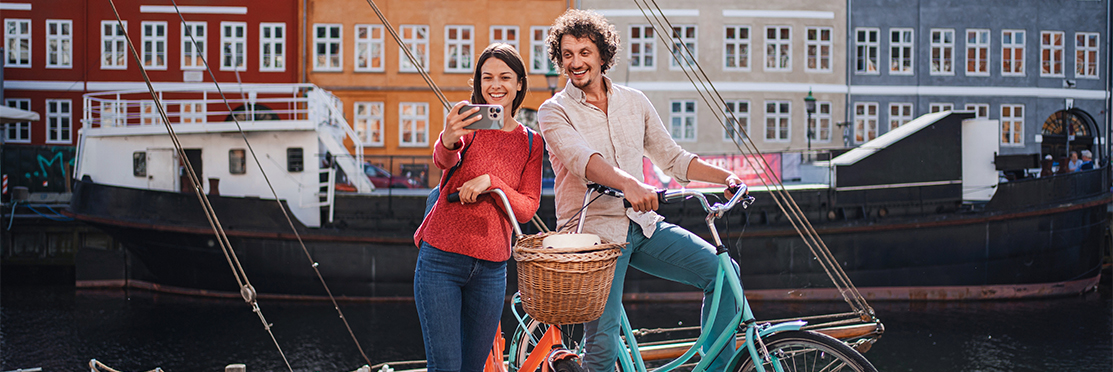
What are the must-see places in Hungary ?
Must-see places include Budapest, the Tihany Peninsula and Lake Balaton, Eger with its castle and wine cellars, Pécs with its Ottoman-era Mosque of Pasha Gazi Kasim and cathedral, Héviz with its large thermal lake, and the colourful streets of Szentendre.
-
How many days do you need in Hungary ?
A common approach is to spend a few days in Budapest, then move on to Lake Balaton, Eger and Pécs. Visit Hungary has a three-day Budapest itinerary, so a trip of about a week or more allows for the main regions outside the capital.
-
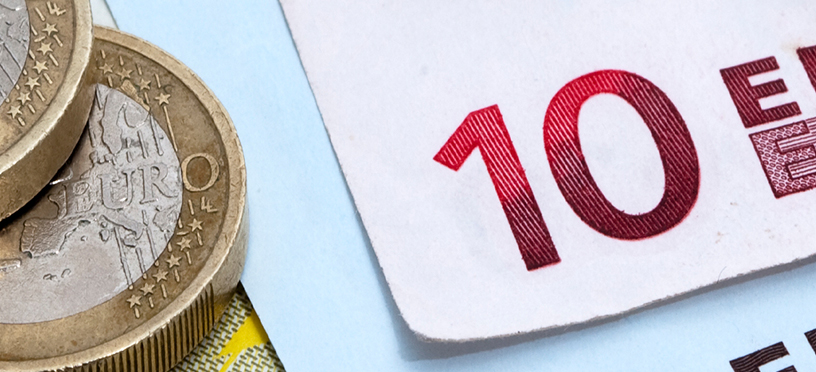
Is Hungary expensive to visit ?
Hungary is generally cheaper than Western European destinations. Travel guides describe Budapest as affordable by Western standards, with drinks and everyday costs lower than in Western Europe. Costs depend on travel style, and one budget guide estimates €70–90 per day.
-

What is the weather like in Hungary ?
Hungary has hot summers and cold winters. In Budapest, 1991–2020 averages show January daily highs around 4.7°C and lows around -1.2°C, while July and August highs reach about 29°C with lows around 18°C. Spring and autumn are mild.
-

What are the top things to do in Hungary ?
Top activities include visiting Budapest's thermal baths and ruin bars, touring Lake Balaton, taking wine tastings in Eger, and walking along the Danube. Visit Hungary also highlights castles and palaces, museums, and wellness experiences.
-

What food is the Hungary famous for ?
Hungary is famous for gulyás (goulash), a paprika-spiced beef and vegetable soup, and pörkölt, a stew. Other well-known dishes include lángos, a fried flatbread often topped with sour cream and cheese, and halászlé, a fish soup.
What you need to know when traveling with Ryanair
View all FAQsCan I bring cabin baggage on a Ryanair flight?
Yes, Ryanair allows one small personal bag included with every fare. Larger cabin bags or priority boarding options can be added for an extra fee.
How do I check in for my Ryanair flight?
You can check in online via the Ryanair app or website. Online check-in typically opens 24 hours before departure, or earlier if you’ve purchased a seat.
Can I change my Ryanair flight after booking?
Yes, Ryanair allows flight changes, but fees may apply depending on the fare type and timing of the change.
What happens if my Ryanair flight is delayed or cancelled?
If your flight is disrupted, Ryanair may offer options such as rebooking, refunds, or assistance, depending on the circumstances and applicable regulations.
Can I book airport transfers or car hire with Ryanair?
Yes, when booking with Ryanair, you can add extras such as car hire and airport transfers through partner services like Carhire, making it easier to travel from the aiport to the city or surrounding areas.
What is Priority Boarding and how does it work with Ryanair?
Ryanair Priority Boarding lets you board using the Priority queue and bring two cabin bags on board: one small personal bag and one 10kg cabin bag, subject to availability and fees.