Cheap flights to Norway
Flights, routes and travel tips
-
Nov 2026 NO FARE
from €-- ---- --
-
Dec 2026 NO FARE
from €-- ---- --
-
Jan 2027 NO FARE
from €-- ---- --
-
Feb 2027 NO FARE
from €-- ---- --
-
Mar 2027 NO FARE
from €-- ---- --
-
Apr 2027 NO FARE
from €-- ---- --
-
May 2027 NO FARE
from €-- ---- --
-
Jun 2027 NO FARE
from €-- ---- --
-
Jul 2027 NO FARE
from €-- ---- --
-
Aug 2027 NO FARE
from €-- ---- --
-
Sep 2027 NO FARE
from €-- ---- --
-
Oct 2027 NO FARE
from €-- ---- --
- What is the cheapest time of year to visit Norway ?
- Visit Norway advises travelling outside the high season to get the best prices, and notes that hotels in big cities often offer cheaper deals at weekends. Its month-by-month guide describes off-season travel as offering more space and fewer queues. Visit Norway does not name specific cheapest months, so check current prices for your dates.
- What are the most popular places to visit in Norway ?
- Norway's main destinations include Oslo, the capital and main travel hub, and the cities of Bergen, Stavanger, Tromsø and Trondheim. Popular experiences include the Bergen Railway, which runs from Oslo to Bergen across Hardangervidda, and the Flåm Railway, one of the world's steepest railway lines. Norway in a Nutshell, a tour through UNESCO-listed fjords and mountain scenery, is described as Norway's most popular tour.
- How do tourists get around in Norway ?
- Visitors can travel by train, express bus, boat or car. Entur is the official national travel planner for timetables and tickets for almost all public transport journeys. Trains are operated by companies including Vy, Flytoget, Go Ahead Nordic and SJ NORD, and most lines run through Oslo. Express buses such as Vy Express and NOR-WAY Bussekspress connect cities and fjord and mountain destinations. Ferries and express boats are important along the coast. Public transport is planned in more detail in remote areas.
- What travel documents do I need to fly to Norway ?
- Travel document requirements depend on your nationality, residency and the type of document you hold, and they can change. Visit Norway directs visitors to check the visa requirements for their nationality with the Norwegian Directorate of Immigration (UDI) and the official Norwegian embassy or consulate. Check the latest official guidance before you travel.
- Do I need a car when visiting Norway ?
- Whether you need a car depends on your itinerary. Visit Norway notes that many visitors travel by their own car, but public transport is also easy to use across the country, and it is safe, comfortable and sustainable. Public transport is the easier option for major cities and main rail and bus routes, while remote areas need more detailed planning. Road and traffic information is provided by the Norwegian Public Roads Administration (Statens vegvesen).
- How long does it take to get from the airport to the main tourist areas of Norway ?
- Oslo Airport (OSL): Visit Norway states that Oslo city centre can be reached in about 20 minutes by the Flytoget Airport Express train. Express buses and local trains are also available and are a cheaper option. Torp Airport (TRF): The sources checked do not give transfer times for Torp. Transfer times vary depending on destination, traffic and transport option, so check official Torp airport and local transport information before travelling.
Travel Tips
-

When is the best time to visit Norway
It depends on what you want. Visit Norway describes the warmest, most stable weather in Eastern and Southern Norway, while Fjord Norway is wet and changeable all year. The northern lights can be seen from late August to late March, and the midnight sun lasts from mid-May to late July in Northern Norway. Visit Norway also notes that spring (March/April) and autumn (September/October) have the highest aurora activity.
-
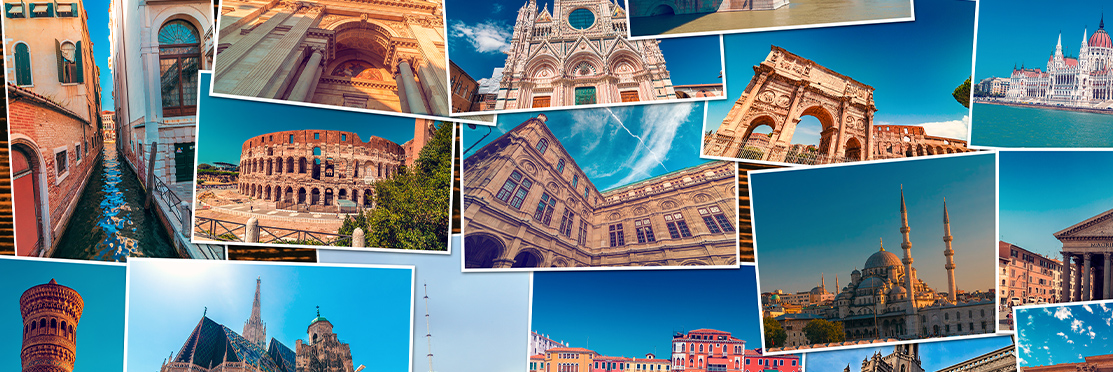
What is Norway known for ?
Norway is known for its fjords, including the UNESCO-listed Geirangerfjord and Nærøyfjord, its northern lights, and the midnight sun. Visit Norway also highlights its extensive hiking network, with more than 20,000 kilometres of marked trails, and its scenic routes.
-
What are the must-see places in Norway ?
Visit Norway highlights the fjords, including the Geirangerfjord, Nærøyfjord, Sognefjord, Lysefjord and Hardangerfjord. It also names Bryggen in Bergen as a UNESCO World Heritage site and lists the MUNCH museum in Oslo as a featured attraction.
-

How many days do you need in Norway ?
Visit Norway does not give a fixed number of days. It advises focusing on one region rather than trying to cover the whole country in one trip, and notes that driving usually takes longer than expected.
-
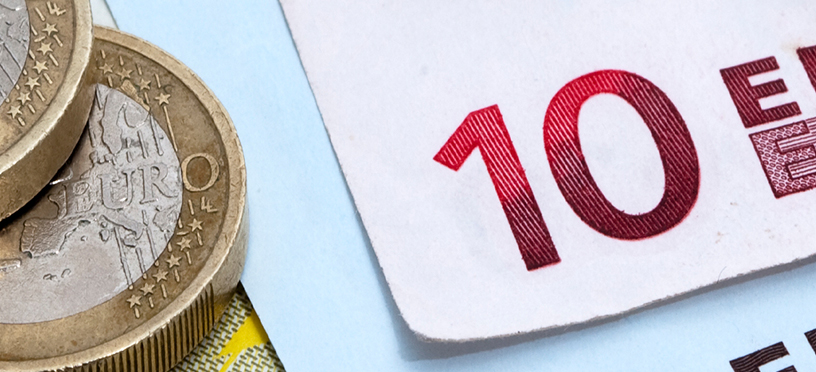
Is Norway expensive to visit ?
Norway is not among the most expensive countries in Europe, according to Visit Norway, which cites 2025 preliminary Eurostat/SSB data ranking it sixth. Visit Norway's 2026 averages include NOK 1,725 for an average hotel room per night, NOK 190 to 350 for a budget restaurant meal, and NOK 100 to 140 for a bottle of beer in a bar. Prices vary by season and location.
-

What is the weather like in Norway ?
The weather varies by region. Eastern and Southern Norway are the warmest, with summer temperatures sometimes reaching 25°C or more. Fjord Norway has a coastal climate with a lot of rain and wind, and the weather can change within a day. Inland areas have cold winters with plenty of snow. Northern Norway can have four seasons in one day and is usually colder than the rest of the country. Visit Norway notes that the Gulf Stream keeps the climate milder than other places at the same latitude.
-

What are the top things to do in Norway ?
Visit Norway recommends scenic road trips on the Norwegian Scenic Routes, seeing the midnight sun in the north, hiking, taking gondolas and cable cars for views, and taking guided glacier hikes, for example on Nigardsbreen in Jostedal. It also highlights wildlife safaris for whales, king crabs and musk oxen, and fjord cruises.
-

What food is the Norway famous for ?
Norway is known for seafood, especially salmon, skrei (cod) and king crab, and for lamb and cured meats. Visit Norway also highlights brown cheese, lefse, waffles and cured leg of lamb (fenalår). Fårikål is presented as the national dish, and smalahove (sheep's head) is a traditional West Norwegian dish.
What you need to know when traveling with Ryanair
View all FAQsCan I bring cabin baggage on a Ryanair flight?
Yes, Ryanair allows one small personal bag included with every fare. Larger cabin bags or priority boarding options can be added for an extra fee.
How do I check in for my Ryanair flight?
You can check in online via the Ryanair app or website. Online check-in typically opens 24 hours before departure, or earlier if you’ve purchased a seat.
Can I change my Ryanair flight after booking?
Yes, Ryanair allows flight changes, but fees may apply depending on the fare type and timing of the change.
What happens if my Ryanair flight is delayed or cancelled?
If your flight is disrupted, Ryanair may offer options such as rebooking, refunds, or assistance, depending on the circumstances and applicable regulations.
Can I book airport transfers or car hire with Ryanair?
Yes, when booking with Ryanair, you can add extras such as car hire and airport transfers through partner services like Carhire, making it easier to travel from the aiport to the city or surrounding areas.
What is Priority Boarding and how does it work with Ryanair?
Ryanair Priority Boarding lets you board using the Priority queue and bring two cabin bags on board: one small personal bag and one 10kg cabin bag, subject to availability and fees.