Cheap flights to Slovakia
Flights, routes and travel tips
-
Nov 2026 NO FARE
from €-- ---- --
-
Dec 2026 NO FARE
from €-- ---- --
-
Jan 2027 NO FARE
from €-- ---- --
-
Feb 2027 NO FARE
from €-- ---- --
-
Mar 2027 NO FARE
from €-- ---- --
-
Apr 2027 NO FARE
from €-- ---- --
-
May 2027 NO FARE
from €-- ---- --
-
Jun 2027 NO FARE
from €-- ---- --
-
Jul 2027 NO FARE
from €-- ---- --
-
Aug 2027 NO FARE
from €-- ---- --
-
Sep 2027 NO FARE
from €-- ---- --
-
Oct 2027 NO FARE
from €-- ---- --
- What is the cheapest time of year to visit Slovakia ?
- Slovakia's main tourist season runs from May to September, so travelling outside those summer months is usually quieter. The official tourism board recommends visiting towns in spring or autumn (May, June, September or October), when it is usually not too hot and there are fewer local holidaymakers in tourist areas. Skiing runs from December to around March or April, so winter is best suited to winter sports. Flight and accommodation prices change frequently, so compare current fares and rates before booking.
- What are the most popular places to visit in Slovakia ?
- Slovakia's most popular destinations combine historic towns with mountain and nature landscapes. Top spots include Bratislava's castle, Old Town and Danube riverside, the historic town of Košice, the Gothic town of Bardejov, Spiš Castle, the Basilica of St. James in Levoča with its high Gothic altar, the historic village of Vlkolínec, and the volcanic town of Banská Štiavnica. Visitors also head to the High Tatras and Slovak Paradise national parks for hiking and mountain scenery.
- How do tourists get around in Slovakia ?
- Tourists in Slovakia typically get around by bus and train, using the national transport network that connects larger towns, and by car for more flexibility. Tourist information offices and travel agencies, which are located in larger towns and popular tourist areas, can help arrange accommodation, transport and excursions. Check the current timetables and transport options before you travel.
- What travel documents do I need to fly to Slovakia ?
- Travel document requirements for Slovakia depend on your nationality, residency and the type of document you hold, and they can change. Slovakia applies Schengen area rules, and the official tourism board notes that a valid personal ID is sufficient for citizens of the European Union. Check the latest official guidance before you travel.
- Do I need a car when visiting Slovakia ?
- Whether you need a car depends on your itinerary. If you plan to stay mainly in Bratislava or Košice, you can manage without one. A car gives you more flexibility if you want to explore the mountains, highlands, national parks and smaller villages and castles spread across the country, since more than half of Slovakia is covered by mountains and highlands. If you drive, use guarded car parks for your vehicle and do not leave valuables inside.
- How long does it take to get from the airport to the main tourist areas of Slovakia ?
- Transfer times vary depending on your destination, traffic and the transport option you choose. Bratislava Airport (BTS) offers taxi services, car rental, Bolt and transport from the airport, and it is the nearest airport to Bratislava's Old Town and castle. Košice International Airport (KSC) serves the historic town of Košice. For journey times and transport options at each airport, check the official airport website and local transport information before you travel.
Travel Tips
-

When is the best time to visit Slovakia
The official Slovakia.travel portal says the main tourist season runs from May to September and recommends visiting towns in spring or autumn (May, June, September or October), when it is usually not too hot and there are fewer local holidaymakers. Spa towns are busiest in January and February, and the ski season runs from December to around March or April.
-
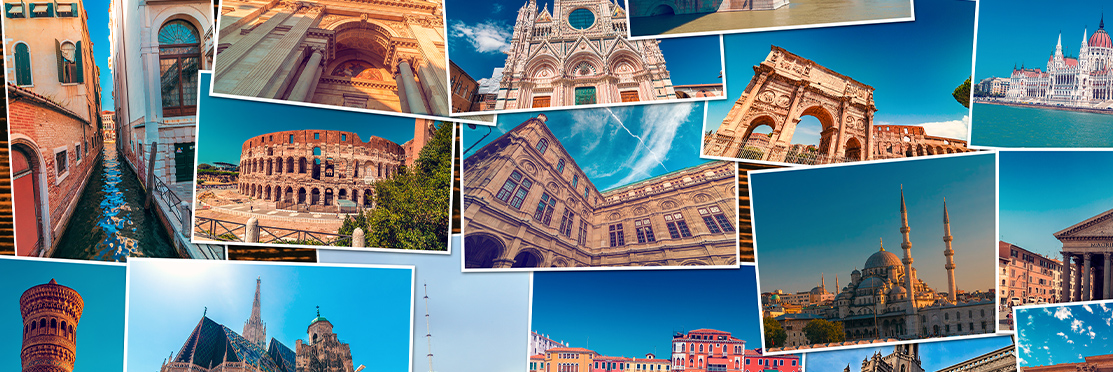
What is Slovakia known for ?
Slovakia is known for its mountains and highlands, which cover more than half of the country, and for its nine national parks. It is also known for its culture and history, including its castles, UNESCO-listed towns and villages, and wooden churches. Caves, skiing and hiking are also central attractions.
-
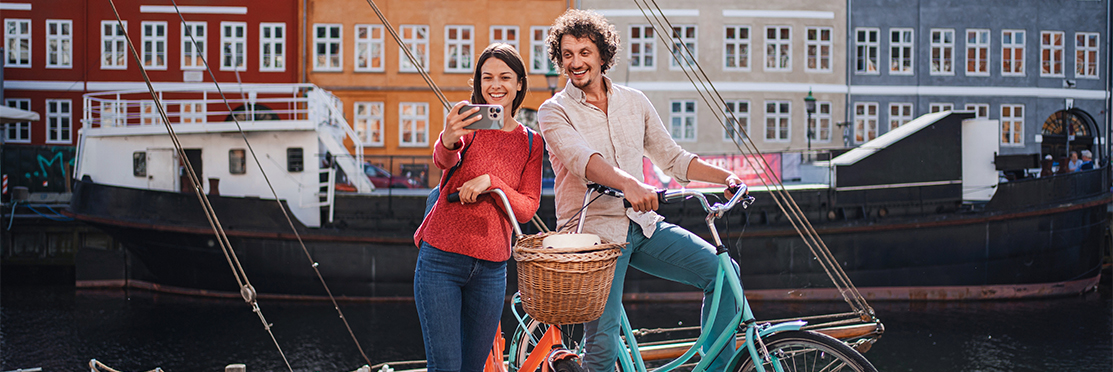
What are the must-see places in Slovakia ?
Key sites include Spiš Castle, described as the largest castle ruin in Central Europe; the Basilica Minor of St. James in Levoča, which has the highest Gothic altar in the world at 18.62 m; the village of Vlkolínec, a preserved folk architecture reserve; Banská Štiavnica, a former mining town set in a volcanic caldera; and Bardejov, a Gothic town with a historic square. These sites are UNESCO World Heritage Sites, along with the High Tatras.
-
How many days do you need in Slovakia ?
The sources do not give a recommended number of days. The main sites are spread across several regions, including the capital Bratislava, the High Tatras, the Spiš area with Levoča, Banská Štiavnica, the Slovak Paradise National Park and the Košice region, so a longer stay is needed to cover more than one region.
-
Is Slovakia expensive to visit ?
Slovakia is generally considered affordable. Rough Guides describes it as one of the most budget-friendly destinations in Europe, and Slovakia.travel says quality gastronomy is available at affordable prices. Tipping is optional and usually about 5-10% of the bill.
-
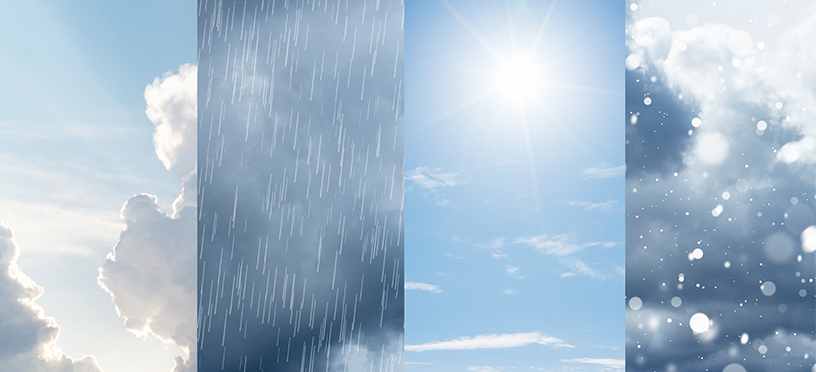
What is the weather like in Slovakia ?
Slovakia has a moderate climate. The lowlands, including the Bratislava area, are dry and warm, with an annual mean above 10 °C. The mountains, especially the Tatras, are colder and wetter, with snow cover from November to May. July is the warmest month and January the coldest. Summer tropical days above 30 °C occur, and in some winters temperatures fall below -20 °C.
-
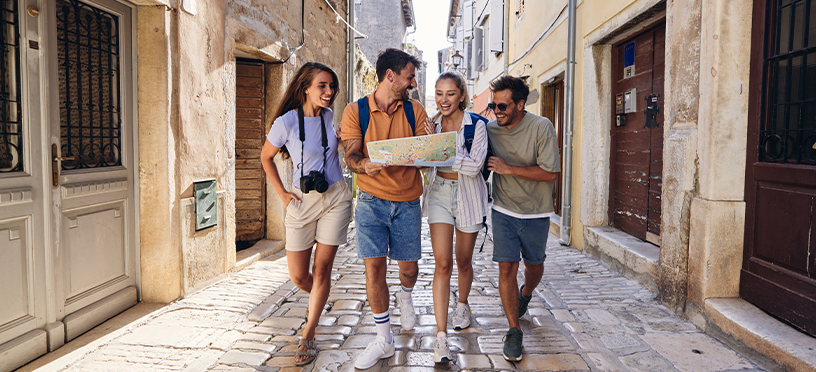
What are the top things to do in Slovakia ?
Popular activities include hiking in the High Tatras and Slovak Paradise National Park, visiting the Dobšinská Ice Cave, which is a UNESCO site, exploring Bojnice Castle, and cycling or skiing in the mountains. Caving and visits to Banská Štiavnica and the Ochtinská Aragonite Cave are also highlighted. Sources also mention cross-country skiing and mountain biking.
-
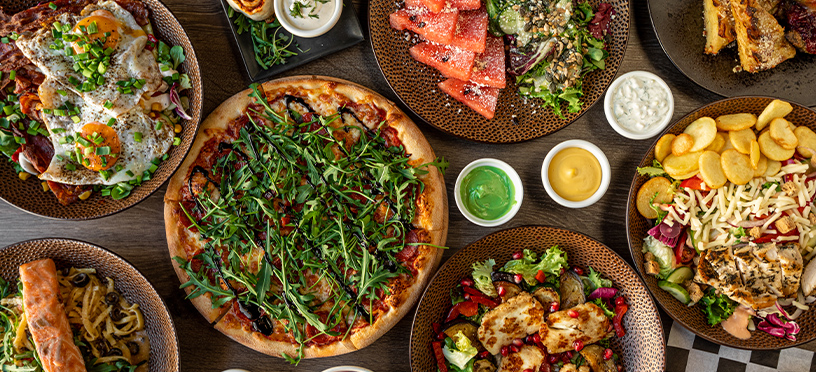
What food is the Slovakia famous for ?
Slovakia is famous for bryndzové halušky, its national dish of potato dumplings with sheep cheese (bryndza) and fried bacon. Other well-known foods include sheep cheeses such as oštiepok and parenica, kapustnica (cabbage soup), lokše (potato flatbread), and Bratislava rolls filled with walnut or poppy seed.
What you need to know when traveling with Ryanair
View all FAQsCan I bring cabin baggage on a Ryanair flight?
Yes, Ryanair allows one small personal bag included with every fare. Larger cabin bags or priority boarding options can be added for an extra fee.
How do I check in for my Ryanair flight?
You can check in online via the Ryanair app or website. Online check-in typically opens 24 hours before departure, or earlier if you’ve purchased a seat.
Can I change my Ryanair flight after booking?
Yes, Ryanair allows flight changes, but fees may apply depending on the fare type and timing of the change.
What happens if my Ryanair flight is delayed or cancelled?
If your flight is disrupted, Ryanair may offer options such as rebooking, refunds, or assistance, depending on the circumstances and applicable regulations.
Can I book airport transfers or car hire with Ryanair?
Yes, when booking with Ryanair, you can add extras such as car hire and airport transfers through partner services like Carhire, making it easier to travel from the aiport to the city or surrounding areas.
What is Priority Boarding and how does it work with Ryanair?
Ryanair Priority Boarding lets you board using the Priority queue and bring two cabin bags on board: one small personal bag and one 10kg cabin bag, subject to availability and fees.