Cheap flights to Venice
Flights, routes and travel tips
-
Aug 2026
From £19.99Each way
-
Sep 2026 CHEAPEST
From £14.99Each way
-
Oct 2026
From £17.99Each way
-
Nov 2026
From £21.99Each way
-
Dec 2026
From £24.04Each way
-
Jan 2027
From £30.99Each way
-
Feb 2027
From £31.99Each way
-
Mar 2027
From £31.99Each way
-
Apr 2027
From £37.99Each way
-
May 2027
From £37.99Each way
-
Jun 2027
From £37.99Each way
-
Jul 2027
From £37.99Each way
Book cheap flights with Ryanair and discover Venice
| From | To | Flight type | Departure date | Departure time | Flight time | Price | Route availability |
|---|---|---|---|---|---|---|---|
| East Midlands EMA | Venice TSF | One way | Sun 20 Sep | Departure time: 17:15 | Flight time: 2h 10m | £14.99 | Route availability: M T W T F S S |
| Bristol BRS | Venice VCE | One way | Wed 30 Sep | Departure time: 16:35 | Flight time: 2h 15m | £16.99 | Route availability: M T W T F S S |
| London STN | Venice VCE | One way | Wed 02 Sep | Departure time: 19:20 | Flight time: 2h 5m | £16.99 | Route availability: M T W T F S S |
| Birmingham BHX | Venice TSF | One way | Tue 22 Sep | Departure time: 06:35 | Flight time: 2h 10m | £16.99 | Route availability: M T W T F S S |
| London LTN | Venice TSF | One way | Sun 27 Sep | Departure time: 13:55 | Flight time: 2h 0m | £16.99 | Route availability: M T W T F S S |
- What is the cheapest time of year to visit Venice ?
- Venice experiences lower tourist numbers and reduced accommodation prices during the shoulder seasons of late autumn (November) and early spring (March-April), and particularly during winter months (January-February). Peak summer season (June-August) and the Carnival season (February) are the most expensive periods. Visiting during rainy autumn months (November-December) or cold winter periods typically offers the best value for money, though weather conditions should be considered.
- What are the most popular places to visit in Venice ?
- The most popular attractions in Venice include Piazza San Marco with St. Mark's Basilica and the Doge's Palace, the Rialto Bridge spanning the Grand Canal, the Grand Canal itself which runs through the city's historic centre, the Basilica of Santa Maria della Salute, the Bridge of Sighs, and San Giorgio Maggiore. These landmarks reflect Venice's medieval, Renaissance, and Byzantine architectural heritage and are recognized as part of the UNESCO World Heritage site 'Venice and its Lagoon', inscribed in 1987.
- How do tourists get around in Venice ?
- Venice is built on 118 islands connected by approximately 176 canals and over 400 bridges, making water transport the primary means of getting around. The main transport methods are vaporetto (public water buses) and gondolas (traditional rowing boats). Walking on foot is also essential, as the city's narrow streets and network of alleys mean cars are not permitted in Venice. Water taxis are available but are more expensive than public vaporettos.
- What travel documents do I need to fly to Venice ?
- Travel document requirements for visiting Venice, Italy vary significantly depending on your nationality, residency, and the type of travel document you hold. Requirements may include a valid passport, visa, or both. Since Italy is part of the Schengen Area and the European Union, regulations differ for EU/EEA citizens versus non-EU visitors. All requirements can change and are subject to current Italian and EU immigration regulations. Check the latest official guidance before you travel.
- Do I need a car when visiting Venice ?
- No, a car is not needed and cannot be used to navigate Venice. The city is built on islands connected by waterways and pedestrian pathways, making private vehicles impossible to operate within the historic centre. All transport is by foot, vaporetto (water bus), gondola, or water taxi. Venice's medieval layout with narrow streets, bridges, and canals is designed exclusively for water and pedestrian traffic.
- How long does it take to get from the airport to the main tourist areas of Venice ?
- Transfer times from Venice's Marco Polo Airport (also known as Tessera Airport) to the historic city centre vary depending on the transport option chosen and traffic conditions. Water transport options such as water taxis, speedboats, or shuttle services typically provide the most direct routes to central Venice. Journey times and available transfer modes depend on which transport providers operate and current conditions. It is recommended to check with official airport or local Venice transport information for current transfer times, available services, and booking options before your arrival.
Travel Tips
-

When is the best time to visit Italy
The best time to visit Italy is April to June and September to October, when the weather is pleasant and most regions are ideal for sightseeing. Summer is excellent for beaches and lakes but can be very hot and crowded in major cities. Spring and autumn are best for combining cities, countryside, and coastal travel.
-

What is Italy known for ?
Italy is known for its art, history, architecture, food, fashion, and varied landscapes. It is especially recognised for Rome, Venice, Florence, the Amalfi Coast, Tuscany, and world-famous cuisine. The country is also known for Roman ruins, Renaissance heritage, and regional diversity.
-
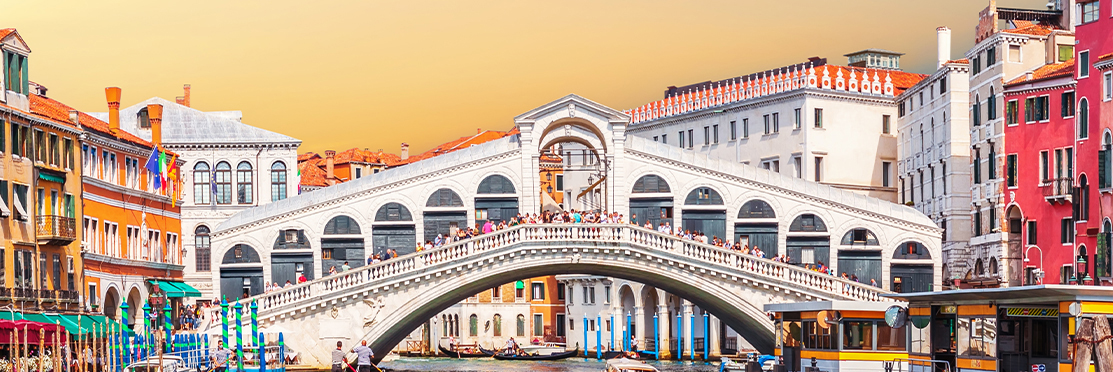
What are the must-see places in Italy ?
Must-see places in Italy include Rome, Florence, Venice, the Amalfi Coast, and Tuscany. Travellers also visit Milan, Lake Como, Cinque Terre, Sicily, and Naples. Italy offers a mix of iconic cities, coastal scenery, and historic sites across every region.
-

How many days do you need in Italy ?
Most travellers need 7 to 10 days in Italy to cover two or three major destinations. A trip of 10 to 14 days is ideal for combining cities with coast, countryside, or islands. Italy rewards longer travel because each region has a distinct identity, food culture, and sightseeing style.
-
Is Italy expensive to visit ?
Italy is generally a mid-range to expensive destination, depending on the region and season. Budget travellers may spend around €65 to €100 per day, while mid-range travellers often spend €140 to €240 per day. Venice, the Amalfi Coast, Lake Como, and peak summer destinations are usually the most expensive.
-
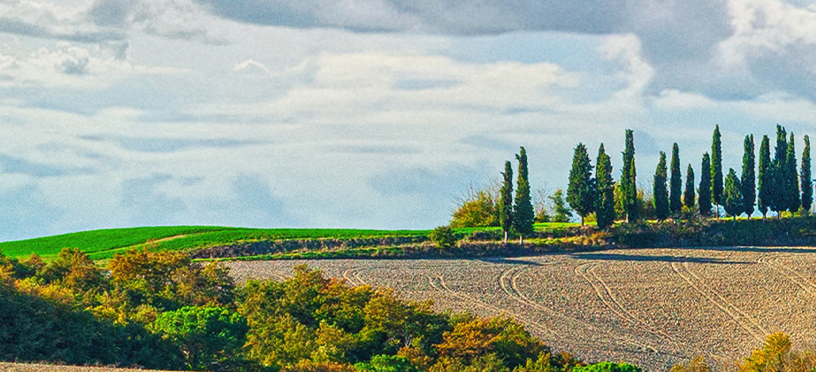
What is the weather like in Italy ?
Italy has a varied climate, with Mediterranean conditions in the south and along much of the coast, and cooler continental or alpine weather in the north. Summers are hot in many regions, while winters are mild in the south and colder in the north. Spring and autumn are often the most comfortable seasons for travel.
-

What are the top things to do in Italy ?
Top things to do in Italy include visiting Rome’s ancient landmarks, seeing Renaissance art in Florence, and riding canals in Venice. Many travellers also explore Tuscany, relax on the Amalfi Coast, visit lakes and islands, and enjoy food, wine, and local markets.
-

What food is the Italy famous for ?
Italy is famous for pizza, pasta, risotto, gelato, tiramisu, and regional dishes from every part of the country. It is also known for olive oil, cured meats, cheeses, and world-class wine. Italian cuisine is one of the strongest reasons many people visit the country.
What you need to know when traveling with Ryanair
View all FAQsCan I bring cabin baggage on a Ryanair flight?
Yes, Ryanair allows one small personal bag included with every fare. Larger cabin bags or priority boarding options can be added for an extra fee.
How do I check in for my Ryanair flight?
You can check in online via the Ryanair app or website. Online check-in typically opens 24 hours before departure, or earlier if you’ve purchased a seat.
Can I change my Ryanair flight after booking?
Yes, Ryanair allows flight changes, but fees may apply depending on the fare type and timing of the change.
What happens if my Ryanair flight is delayed or cancelled?
If your flight is disrupted, Ryanair may offer options such as rebooking, refunds, or assistance, depending on the circumstances and applicable regulations.
Can I book airport transfers or car hire with Ryanair?
Yes, when booking with Ryanair, you can add extras such as car hire and airport transfers through partner services like Carhire, making it easier to travel from the aiport to the city or surrounding areas.
What is Priority Boarding and how does it work with Ryanair?
Ryanair Priority Boarding lets you board using the Priority queue and bring two cabin bags on board: one small personal bag and one 10kg cabin bag, subject to availability and fees.