Cheap flights to Dubrovnik
Flights, routes and travel tips
-
Nov 2026 NO FARE
from €-- ---- --
-
Dec 2026 NO FARE
from €-- ---- --
-
Jan 2027 NO FARE
from €-- ---- --
-
Feb 2027 NO FARE
from €-- ---- --
-
Mar 2027 NO FARE
from €-- ---- --
-
Apr 2027 NO FARE
from €-- ---- --
-
May 2027 NO FARE
from €-- ---- --
-
Jun 2027 NO FARE
from €-- ---- --
-
Jul 2027 NO FARE
from €-- ---- --
-
Aug 2027 NO FARE
from €-- ---- --
-
Sep 2027 NO FARE
from €-- ---- --
-
Oct 2027 NO FARE
from €-- ---- --
- What is the cheapest time of year to visit Dubrovnik ?
- Prices in Dubrovnik are usually lowest outside the peak summer months, so spring and autumn are generally better value than July and August. Check current accommodation and flight prices for your dates, as rates vary.
- What are the most popular places to visit in Dubrovnik ?
- The highlight is the Old Town, a late-medieval city defined by its city walls, which you can walk around. Nearby, the islands of Mljet and Korčula and the Pelješac peninsula are popular day-trip and excursion destinations.
- How do tourists get around in Dubrovnik ?
- Visitors commonly use local buses, taxis and boats to get around Dubrovnik and the surrounding area. Taxi services are widely available, and bus and boat options are listed by the official tourism board. Check current timetables and fares before you travel.
- What travel documents do I need to fly to Dubrovnik ?
- Croatia is part of the Schengen area, and entry requirements depend on your nationality, residency and the type of travel document you hold. Rules can change, so check the official travel-document requirements for your situation before you travel. Check the latest official guidance before you travel.
- Do I need a car when visiting Dubrovnik ?
- A car is not essential for visiting the city itself, as the historic centre is best explored on foot. A car can be useful if you plan to explore the wider Dubrovnik-Neretva region, such as the Pelješac peninsula or inland areas, where public transport may be less frequent. Taxis and local buses are alternatives for shorter trips.
- How long does it take to get from the airport to the main tourist areas of Dubrovnik ?
- Dubrovnik Airport is one of Croatia's international airports on the coast. Transfer times vary depending on your destination, traffic and the transport option you choose. Check official airport and local transport information for current transfer options and journey times before you travel.
Travel Tips
-

When is the best time to visit Dubrovnik ?
The shoulder seasons are generally the best time to visit. Late spring (April and May) and autumn (September and October) bring warm weather with fewer crowds than July and August. Summer is hot and very busy, and winter is quiet and cheaper but many attractions close or run reduced hours.
-
What is Dubrovnik known for ?
Dubrovnik is known for its UNESCO-listed old town and its 16th-century city walls, which are almost two kilometres long. It was a major Mediterranean trading centre in the Republic of Dubrovnik era and is also known as the setting for King's Landing in Game of Thrones.
-
What are the must-see places in Dubrovnik ?
Must-see places include Gundulić Square, St. Luke's Tower, Luža and the City-Bell Tower, Lovrijenac Fortress, the Rector's Palace, and the City Harbour. The city walls are the main attraction.
-

How many days do you need in Dubrovnik ?
Two to three days is enough to see the main sights in Dubrovnik, including the fortresses, churches, palaces, museums and the city walls. A week allows day trips to places such as Ston, the Elaphiti Islands and Korčula.
-
Is Dubrovnik expensive to visit ?
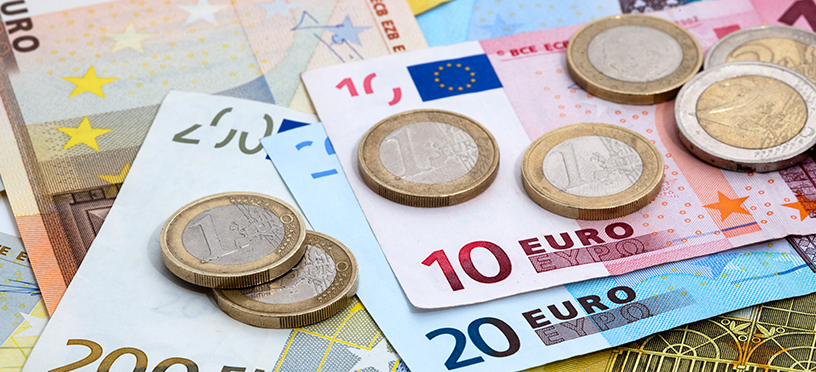
It can be expensive in peak season, when accommodation and attractions cost more and need booking early. Prices drop substantially from November to March. The adult city walls ticket is listed at about €40 in high season, with lower winter prices; confirm current prices on the official ticket shop before you travel.
-

What is the weather like in Dubrovnik ?
Dubrovnik has a Mediterranean climate with hot, dry summers, where July and August maximums reach about 28°C. Spring and autumn are mild, around 20°C to 28°C. Winters are mild, with daytime temperatures around 13°C in the coldest months, and snow is rare.
-

What are the top things to do in Dubrovnik ?
Top activities include walking the city walls, exploring the old town's stone streets and palaces, and taking day trips by boat to Lokrum Island and the Elaphiti Islands. Other options include visiting Mljet National Park, Korčula, and the Pelješac and Konavle wine regions.
-

What food is the Dubrovnik famous for ?
Dubrovnik is known for fresh fish and seafood, such as grilled fish and mussels à la buzara. Local dishes include peka, a slow-roasted meat and vegetable dish, and green menestra, a kale and cabbage stew. The local dessert is rožata, a caramel custard flavoured with rose liqueur.
What you need to know when traveling with Ryanair
View all FAQsCan I bring cabin baggage on a Ryanair flight?
Yes, Ryanair allows one small personal bag included with every fare. Larger cabin bags or priority boarding options can be added for an extra fee.
How do I check in for my Ryanair flight?
You can check in online via the Ryanair app or website. Online check-in typically opens 24 hours before departure, or earlier if you’ve purchased a seat.
Can I change my Ryanair flight after booking?
Yes, Ryanair allows flight changes, but fees may apply depending on the fare type and timing of the change.
What happens if my Ryanair flight is delayed or cancelled?
If your flight is disrupted, Ryanair may offer options such as rebooking, refunds, or assistance, depending on the circumstances and applicable regulations.
Can I book airport transfers or car hire with Ryanair?
Yes, when booking with Ryanair, you can add extras such as car hire and airport transfers through partner services like Carhire, making it easier to travel from the aiport to the city or surrounding areas.
What is Priority Boarding and how does it work with Ryanair?
Ryanair Priority Boarding lets you board using the Priority queue and bring two cabin bags on board: one small personal bag and one 10kg cabin bag, subject to availability and fees.